
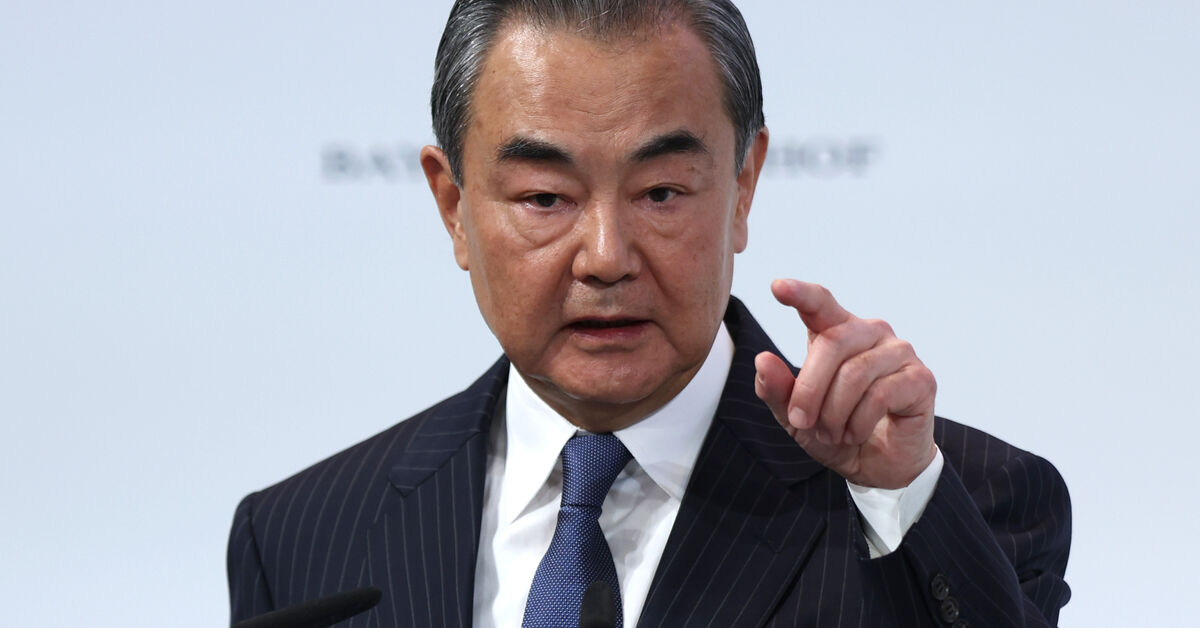
China’s Foreign Minister Wang Yi Discusses Middle East Tensions with German Counterpart
Beijing – Chinese Foreign Minister Wang Yi held a telephone conversation with his German counterpart, Annalena Baerbock, on Tuesday, April 2nd, 2026, with the escalating situation in the Middle East taking center stage in their discussions. The call underscores China’s ongoing diplomatic efforts to de-escalate tensions and promote stability in the region, particularly in light of recent developments involving Iran. Both officials emphasized the urgent demand for a cessation of hostilities, recognizing the far-reaching consequences of the conflict on global economic security, energy markets, and food supplies. This conversation follows a similar call between Wang Yi and Saudi Arabian Foreign Minister Faisal bin Farhan Al Saud, highlighting China’s broad engagement with key regional actors.
The exchange between Wang Yi and Baerbock occurred amidst growing international concern over the volatile situation in Iran and its potential to further destabilize the wider Middle East. Germany, as a major European power and a key member of the G7, holds significant influence in international affairs, making this dialogue particularly important. The German Foreign Minister reportedly expressed deep concern over the severity and complexity of the current situation, noting its detrimental impact on global economic stability, energy security, and food access. The two ministers agreed that a swift finish to the conflict is in the collective interest of the international community.
German Concerns Over Regional Instability
According to a statement released by the Chinese Ministry of Foreign Affairs, Annalena Baerbock voiced strong concerns about the impact of the Iranian situation on the global economy, energy markets, and food security. The Ministry’s report indicates that Baerbock explicitly stated that a rapid resolution to the conflict is crucial for the well-being of the international community. This aligns with Germany’s broader foreign policy objectives of maintaining stability and promoting multilateral cooperation. The German government has consistently advocated for a diplomatic solution to international crises and has been a strong supporter of international institutions like the United Nations.
The timing of the call is significant, coming after reports that Iran could face continued bombing raids for the next two to three weeks. As reported by Deutsche Welle (DW), this potential escalation has prompted urgent diplomatic efforts to prevent further deterioration of the situation.
China’s Position and Calls for Restraint
Wang Yi, during the conversation, articulated China’s principled stance on the Middle East conflict. He emphasized that the military actions taken by the United States and Israel against Iran lacked authorization from the United Nations Security Council, constituting a clear violation of international law. According to Xinhua News Agency, Wang Yi stressed the importance of respecting the sovereignty and security of Gulf nations, ensuring the protection of civilians and non-military targets, and safeguarding the security of navigation and critical infrastructure. China has consistently advocated for a peaceful resolution to international disputes through dialogue and negotiation, upholding the principles of non-interference and mutual respect.
Wang Yi highlighted the shared responsibility of China and Germany, as major global powers, to adopt an objective and impartial position and play a constructive role in de-escalating the conflict and restoring regional peace and stability. He specifically referenced the five-point initiative proposed jointly by China and Pakistan aimed at restoring peace and stability in the Gulf region, indicating China’s willingness to work with international partners to find a sustainable solution. China and Pakistan’s initiative calls for dialogue, restraint, and a commitment to resolving disputes through peaceful means.
Bilateral Relations and Future Cooperation
Beyond the immediate crisis in the Middle East, Wang Yi and Baerbock also discussed the broader state of China-Germany relations. Both sides expressed their commitment to implementing the outcomes of German Chancellor Olaf Scholz’s recent visit to China, strengthening strategic communication, enhancing strategic mutual trust, and fostering the comprehensive strategic partnership between the two countries. This commitment to strengthening bilateral ties reflects the growing economic and political interdependence between China and Germany, despite ongoing geopolitical challenges. Germany remains one of China’s largest trading partners in Europe, and both countries have a vested interest in maintaining a stable and productive relationship.

The two foreign ministers agreed to continue maintaining close communication and cooperation on issues of mutual concern. This ongoing dialogue is seen as crucial for managing differences, identifying areas of convergence, and promoting a more stable and predictable international environment. The conversation between Wang Yi and Annalena Baerbock underscores the importance of diplomatic engagement in addressing complex global challenges and preventing further escalation of conflicts.
Key Takeaways
- China and Germany have engaged in high-level talks regarding the escalating tensions in the Middle East.
- Both countries emphasize the need for a swift end to the conflict to mitigate its global economic and security impacts.
- China has reiterated its stance that military actions against Iran require UN Security Council authorization.
- Both nations committed to strengthening bilateral relations and fostering strategic cooperation.
Looking ahead, continued diplomatic efforts will be crucial in navigating the complex challenges in the Middle East. Further developments in the region, including potential negotiations or escalations, will undoubtedly shape the international response. The international community will be closely watching for any signs of de-escalation and a return to dialogue. We will continue to provide updates on this developing story as they become available.
Do you have thoughts on this developing situation? Share your perspective in the comments below.