
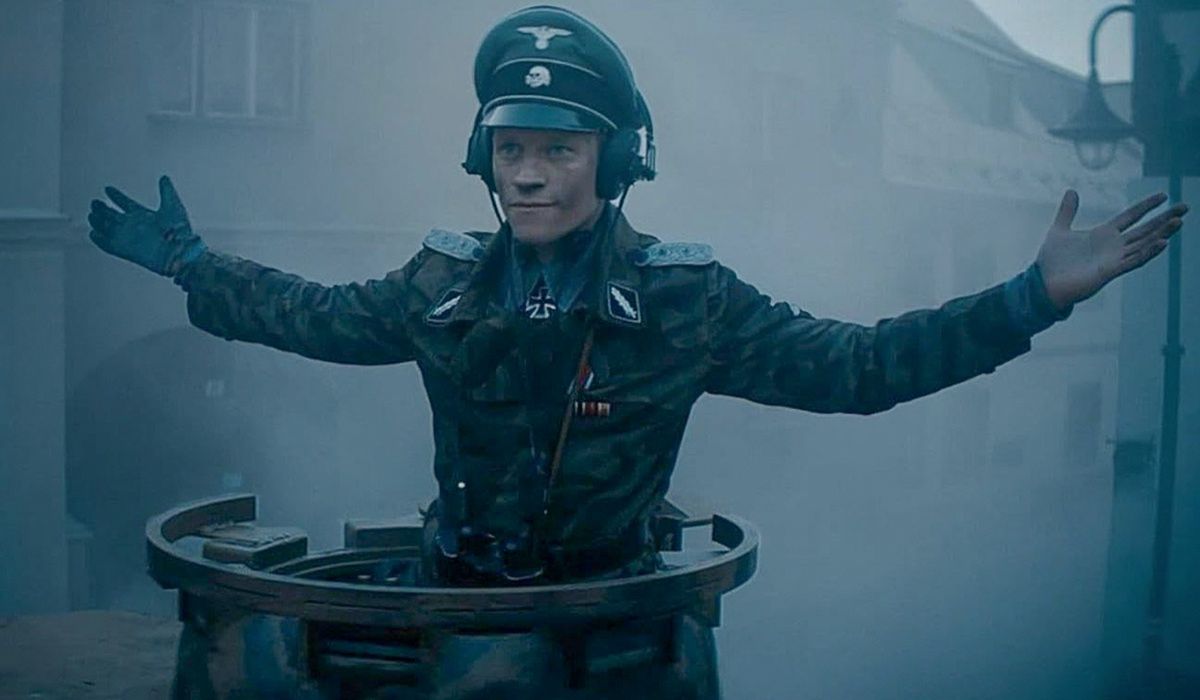
The streaming landscape in Poland is seeing a surprising surge in interest for Russian cinema, specifically within the war genre. A recent trend on Prime Video has seen several Russian war films climb the popularity charts, sparking a conversation about the intersection of entertainment, history and political messaging in the current geopolitical climate.
Among these titles, the film T-34 has emerged as a significant hit, quickly entering the top ten most popular titles on the platform upon its release. The film centers on the iconic Soviet medium tank of the same name, a vehicle well-known to Polish audiences not only through history but likewise through the lens of the classic series “Four Tankmen and a Dog” (Czterej pancerni i pies).
While these productions have gained traction, they are not without controversy. Observers note that some of these films carry propagandistic undertones. However, it is important to distinguish the timing of these works; the films currently trending, including T-34, were produced before the start of the Russian invasion of Ukraine.
The Plot and Appeal of T-34
The narrative of T-34 begins in December 1941, during the height of the German Plan Barbarossa, as Nazi forces pushed toward Moscow. The story follows Lieutenant Ivushkin, whose exceptional bravery and skill allow him to destroy a platoon of German tanks while covering the retreat of his headquarters. Despite his success, Ivushkin and his comrades are eventually captured and taken prisoner.
The plot shifts three years later, placing Ivushkin in a concentration camp. He is recognized by a German Panzer brigade commander—the same officer he fought at the start of the war. Facing critical personnel shortages in their armored crews, the Germans decide to exploit Ivushkin’s expertise. Under the threat of death to a female fellow prisoner, Ivushkin is coerced into demonstrating the combat capabilities of a captured T-34 tank. He eventually uses this opportunity to orchestrate an escape from captivity.
The T-34 tank itself is a central character in the film. Historically, the tank provided a tactical surprise for German forces due to its thick, sloped frontal armor and high-caliber gun, features that made it a formidable opponent on the Eastern Front.
Broader Context of Russian War Cinema
The success of T-34 in Poland exists within a wider ecosystem of Russian war films that vary in style and intent. Some productions lean heavily into patriotism and heroism, while others attempt a more grounded or international approach. For instance, the film “Sobibór” (2018), directed by Konstantin Chabienski, is a co-production involving Poland, Lithuania, and Germany. It depicts the real-life events of October 1943, when approximately 600 prisoners in the Sobibór extermination camp on the Lublin region staged an uprising to escape certain death, with nearly 200 successfully fleeing according to CANAL+ blog.
User rankings on platforms like Filmweb highlight a diverse range of highly-rated Russian war dramas. Some of the top-rated titles include:
- 9th Company (9 rota, 2005): Directed by Fedor Bondarchuk, ranking highly with a score of 7.75.
- Kukushka (2002): A blend of drama, comedy, and war directed by Aleksandr Rogozhkin.
- Svoi (2004): An action-drama directed by Dmitriy Meskhiev.
- Kavkazskiy plennik (1996): A war drama directed by Sergey Bodrov.
- Persischstunden (2020): A more recent drama directed by Vadim Perelman.
These rankings suggest that while high-budget “blockbuster” style films like T-34 attract mass audiences, there is also a significant appetite for biographical films, such as “Bitva za Sevastopol” (2015), and genre-blending works that mix fantasy or comedy with wartime settings.
Key Takeaways on Russian War Films in Poland
- Streaming Trend: Russian war films, specifically T-34, have recently trended in the top 10 on Prime Video in Poland.
- Historical Focus: Many of these films focus on the Second World War and the capabilities of Soviet machinery like the T-34 tank.
- Production Timing: The trending films were produced prior to the Russian invasion of Ukraine.
- Diverse Range: Russian war cinema spans from high-pathos patriotic epics to international co-productions like “Sobibór.”
As these films continue to appear on global streaming platforms, the debate over their historical accuracy and political messaging remains a point of contention for viewers and critics alike.
We invite our readers to share their thoughts on the role of historical cinema in today’s political climate in the comments section below.