Beyond the Myth: Leadership and Logistics at the Battle of Trenton
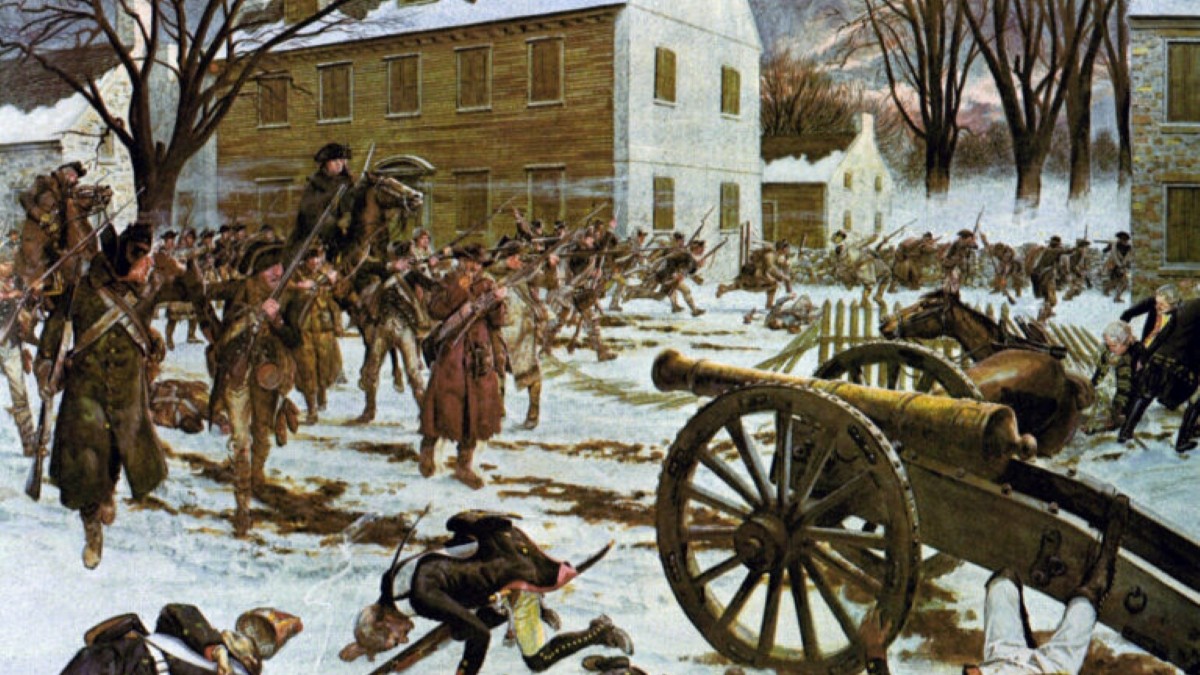
The Battle of Trenton, often romanticized as a triumphant Christmas miracle, reveals a more nuanced story of leadership, strategic calculation, and the practical realities of 18th-century warfare. Examining this pivotal moment in the American Revolution offers valuable lessons for military practitioners and leaders today. It’s a reminder that success isn’t solely built on patriotic fervor, but on understanding your troops’ needs and adapting to complex circumstances.
The Price of Loyalty: A Matter of Material Needs
Facing dwindling enlistments in December 1776,George Washington didn’t rely on appeals to idealism alone. Rather,he negotiated. A significant portion of soldiers from eastern states agreed to extend their service for six weeks in exchange for a $10 bounty.
This wasn’t a sign of weakness, but pragmatism. As Washington himself acknowledged, Pennsylvania had already offered a similar incentive. His troops understood their value, and he recognized the necessity of meeting their material needs.He even questioned why the bounty wasn’t higher, given their essential contribution.
This approach mirrors practices common in European armies of the time.Washington understood that a well-compensated, provisioned force was a loyal force. He wisely avoided framing these needs as a disciplinary issue, a tactic that could have backfired spectacularly.
Debunking the Narrative: The Hessians as Professionals
Popular depictions often portray the Hessian soldiers washington faced at Trenton as brutal mercenaries. Though, this is a simplification. They were, in fact, professional soldiers with their own history, training, and values.
Understanding the enemy’s perspective – their motivations, strengths, and weaknesses – is crucial for effective strategy. Lazy or essentialist thinking about “who we are” or ”who the enemy is” rarely yields accurate assessments. Rather, analyzing their choices within their own context provides a clearer picture.
Washington’s operational brilliance exploited a vulnerability: the Hessians’ predictable routines and the element of surprise.despite their tactical skill, they were caught off guard and decisively defeated.
Key Takeaways for 21st-Century Leaders
What can modern military leaders learn from the real Battle of Trenton? Several key principles emerge:
* Prioritize Material Needs: Ensure your personnel are adequately equipped, supplied, and compensated. Ignoring these basic needs undermines morale and effectiveness.
* Embrace Pragmatism: Don’t shy away from negotiation and compromise when necessary. Rigidity can be detrimental in dynamic situations.
* Understand Your Opponent: Thoroughly analyze the enemy’s capabilities, motivations, and cultural context. Avoid simplistic characterizations.
* Cultivate Operational Flexibility: Develop plans that can adapt to changing circumstances. Be prepared to exploit vulnerabilities and seize opportunities.
* Leadership is Multifaceted: Effective leadership requires both vision and the ability to address practical concerns.
The Battle of Trenton wasn’t just a military victory; it was a presentation of adaptable leadership. Washington’s success stemmed from his ability to blend bold strategic planning with a realistic understanding of human needs and motivations. It’s a Christmas story worth remembering, not for its mythic gloss, but for its enduring lessons in leadership and the complexities of warfare.
About the Author:
Alexander S. Burns is an assistant professor of history at the Franciscan University of Steubenville, specializing in George Washington’s army and its connections to european military traditions. His edited volume, The Changing Face of Old regime Warfare: Essays in Honor of Christopher Duffy, was published in 2022. Follow him on twitter @KKriegeBlog.
Image: wikimedia Commons