
The Rise of Mixed Crew Rowing: A Deep Dive into the Future of the Sport
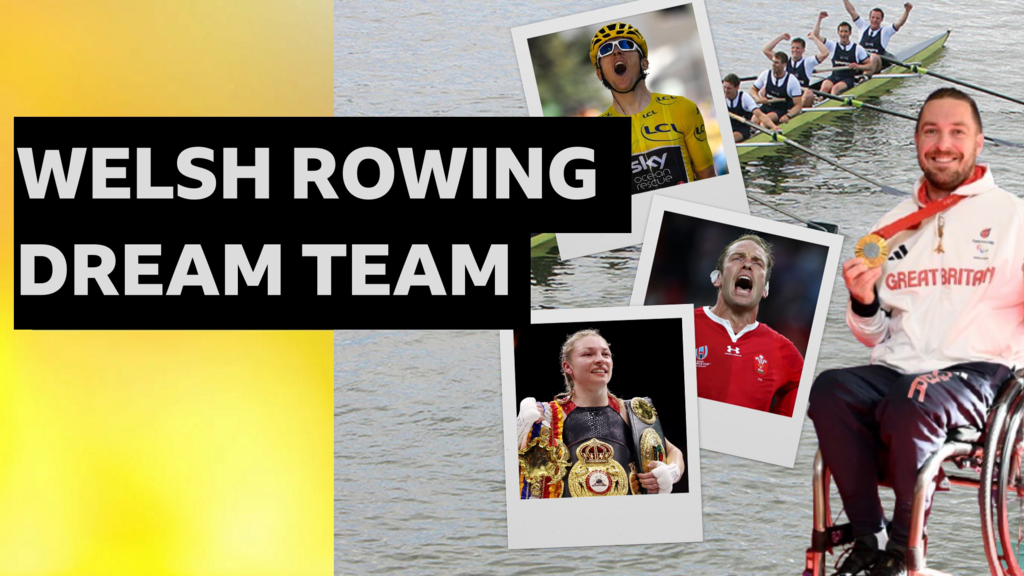
The world of rowing is undergoing a fascinating evolution, and at the heart of it lies a groundbreaking new event: mixed crew rowing. This isn’t just a tweak to the existing format; it’s a basic shift designed to promote gender equality, boost spectator engagement, and inject fresh dynamism into a sport steeped in tradition. As of August 7th, 2025, the buzz around this discipline is palpable, fueled by champions like Benjamin Pritchard, the current Paralympic and European rowing champion, who recently unveiled his dream Welsh mixed coxed eight. But what exactly is mixed crew rowing, why is it gaining traction, and what does the future hold for this exciting advancement? This article will explore the intricacies of this new format, its potential impact, and the key factors driving its rapid ascent.
Understanding the Mixed Eight: A New Era for rowing
Traditionally, rowing competitions have been segregated by gender – men’s crews versus women’s crews. The mixed eight breaks this mold. This event features eight rowers – four men and four women - competing together in a single boat. It’s a format designed to leverage the unique strengths of both genders, creating a more balanced and strategically complex racing dynamic.
Did You Know? World Rowing officially introduced the Mixed eight as a key initiative to increase gender equality within the sport, aligning with broader Olympic and sporting trends.
The concept isn’t simply about adding women to men’s crews or vice versa. It requires a complete rethinking of boat dynamics, stroke rate optimization, and power distribution. The ideal mixed crew isn’t just about having four strong men and four strong women; it’s about finding the right combination of athletes whose individual strengths complement each other.This necessitates a deeper understanding of biomechanics,physiology,and crew synergy.
The genesis of Change: World Rowing‘s Vision
World Rowing,the international governing body for the sport,spearheaded the introduction of the mixed eight. Their motivation stems from several key factors:
Gender Equality: Addressing the past imbalance in rowing participation and representation.
Increased Spectator Appeal: The mixed format is inherently more engaging for audiences, offering a different tactical landscape and perhaps faster race times.
Sporting Innovation: Staying relevant in a competitive sporting landscape requires embracing new formats and challenging customary norms.
Olympic Ambitions: The mixed eight is being actively considered for inclusion in the 2028 Los Angeles Olympic games, a move that would substantially elevate the sport’s profile.
Pro Tip: When analyzing mixed crew performance, pay attention to the synchronization of the stroke. Prosperous crews will demonstrate a seamless blend of power and technique, minimizing any noticeable differences between male and female rowers.
The debut of the mixed eight is slated for the 2025 World Rowing Championships in Shanghai, marking a pivotal moment in the sport’s history. Following this initial appearance, the event will become a regular fixture at world Championships and World Cups, solidifying its place in the international rowing calendar.
Technical Considerations: Optimizing the Mixed Crew Dynamic
Building a successful mixed eight isn’t as simple as combining talented rowers. Several technical aspects require careful consideration:
Seat Assignment: Strategic placement of athletes based on their strengths (power, endurance, technique) is crucial. Often, stronger rowers are positioned in seats 2, 3, 6, and 7 to maximize their impact on the boat’s momentum.
Stroke Rate & Rhythm: Finding the optimal stroke rate that allows both male and female rowers to maintain peak performance is essential. This often involves a slightly lower stroke rate than traditional men’s or women’s crews, allowing for greater power output per stroke.
Blade Work & Catch: Synchronizing the blade work and catch (the initial phase of the stroke) is paramount. Any discrepancies in timing or technique can disrupt the boat’s balance and reduce efficiency.
Coxswain’s Role: The coxswain plays an even more critical role in a mixed crew, acting as a conductor to harmonize the efforts of all eight rowers. Effective dialog, precise steering, and strategic race planning are vital.
Real-World Applications & case Studies: Benjamin Pritchard’s Dream Crew
Benjamin





