
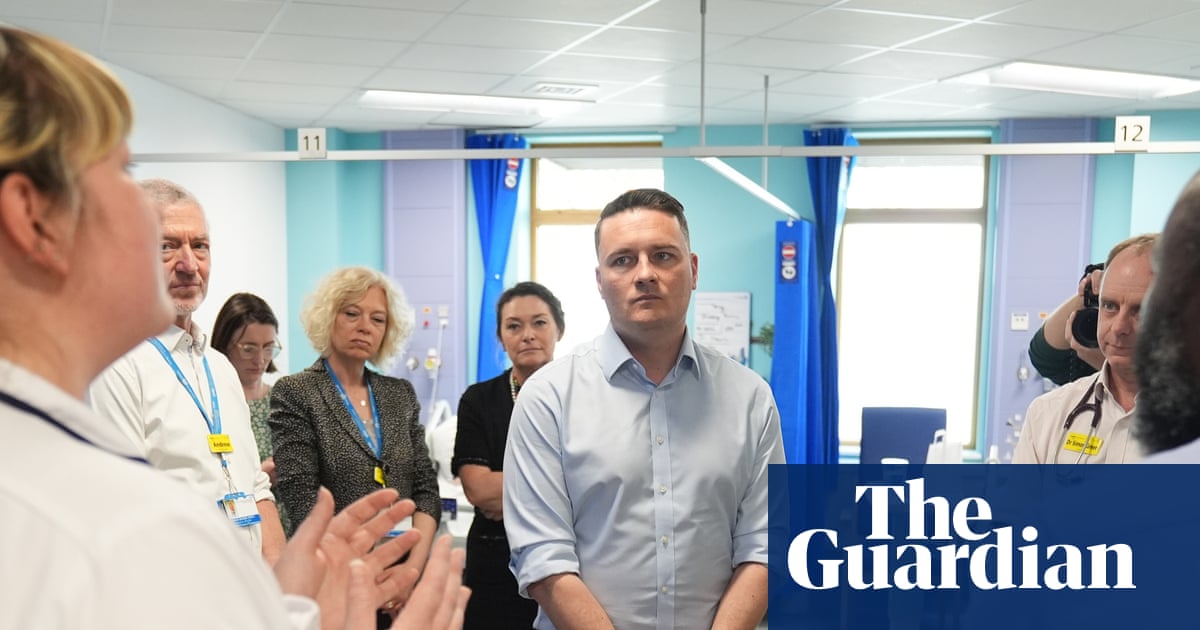
The future of the United Kingdom’s National Health Service (NHS) has become a central point of contention ahead of May’s local and devolved elections. Health Secretary Wes Streeting has issued a stark warning to voters, claiming that supporting populist parties in the upcoming polls could put the health service at significant risk.
Streeting argues that the “founding principles of the NHS are at greater threat than at any time since the NHS was founded in 1948.” By framing the health service as a key electoral battleground, the Health Secretary is urging voters to avoid “protest votes” that he suggests could jeopardize the stability and delivery of care across the UK.
This political push comes amid a period of reported improvement for the NHS. According to a press release from the Department of Health and Social Care, a survey by the King’s Fund and Nuffield Trust revealed a 5.6 percentage point increase in satisfaction with the NHS—the first such increase since the COVID-19 pandemic and the largest drop in dissatisfaction since 1998.
Regional Risks and Political Battlegrounds
The Health Secretary has highlighted specific concerns regarding the devolved nations, particularly Wales and Scotland. In Wales, Streeting warned of a “particular jeopardy” for the NHS, noting that Labour faces potential electoral challenges from Reform UK and Plaid Cymru. He specifically characterized Reform UK as a “disaster zone” and described Plaid Cymru as “rookies,” suggesting that a Welsh Labour government working in partnership with a UK Labour government is the only viable path to delivery for Wales.
Streeting further asserted that the NHS in Scotland has become weaker following nearly two decades of governance by the Scottish National Party (SNP), questioning who voters want in government in Scotland after “20 years of SNP failure.” In England, he argued that maintaining Labour-run councils is essential for efficient partnership with the central government, noting that these councils have managed to deliver results despite previous challenges under a Tory government.
The Health Secretary also expressed skepticism regarding the appeal of Reform UK, stating he refuses to believe many people in Wales would vote for the party if they were fully aware of Nigel Farage’s positions on the NHS.
Tackling ‘Corridor Care’ and Trust Performance
Beyond the political rhetoric, the government is implementing operational changes to address systemic failures within the health service. One of the primary targets is the eradication of “corridor care”—defined as patients spending 45 minutes or more in clinically inappropriate areas, such as hallways or waiting rooms, within emergency departments or wards.
To combat this, the government is deploying specialist teams from the Getting it Right First Time (Girft) initiative to the worst offending trusts. These expert teams are tasked with identifying the causes of poor patient flow and helping leadership understand data to better manage surges in demand. Health Secretary Wes Streeting described the normalization of corridor care as “unacceptable” and “undignified,” stating that the government aims to eradicate the practice by the complete of Parliament.
As part of this strategy, the Department of Health and Social Care has revealed the locations of 40 new and expanded urgent care and same-day emergency care centres. These facilities are designed to treat patients more quickly and reduce the pressure on A&E departments. The impact of these measures is already being seen in some areas; for instance, during a visit to Queen’s Hospital in Romford, it was noted that the facility provided 10,000 fewer hours of corridor care in February compared to the same month the previous year.
Investment and Recovery Metrics
The government is attributing recent gains in public satisfaction to a combination of record investment and targeted reforms. According to official data released on March 25, 2026, the government has invested an additional £26 billion in the NHS this year. These financial injections, combined with structural reforms, have led to several key performance improvements:
- Waiting Lists: A reduction of 374,000 people on waiting lists since July 2024.
- Primary Care: The recruitment of an additional 2,000 GPs.
- Emergency Response: Category 2 ambulance response times this winter reached their lowest level in five years.
Despite these broad improvements, the government acknowledges that some “challenged” trusts continue to struggle due to historic and persistent issues. To address this, a new NHS intensive recovery programme has been launched in April. This programme targets trusts at the bottom of the new NHS league tables—those facing the longest waits for care, high leadership turnover, and persistent financial difficulties—by bringing in high-performing teams to provide tailored support.
Key NHS Recovery Statistics
| Metric | Impact/Change | Timeframe/Context |
|---|---|---|
| Public Satisfaction | +5.6 percentage points | First increase since pandemic |
| Waiting Lists | -374,000 patients | Since July 2024 |
| Additional Funding | £26 billion | Current year investment |
| GP Recruitment | +2,000 doctors | Recent recruitment drive |
The next major milestone for the health service will be the publication of corridor care data in May, which will provide the first public look at the extent of the practice across various trusts. This data will likely serve as a benchmark for the success of the Girft expert teams and the new urgent care centres.
We encourage our readers to share this report and leave their comments below on how healthcare policy changes in the UK might impact global health standards.