West Antarctica’s Volatile Past Reveals a Dramatic Future
For years, scientists have focused on the rate of ice loss in West Antarctica. But a growing body of evidence suggests we need to shift our focus to the manner of that loss. New research reveals a history of surprisingly rapid and catastrophic shifts in west Antarctica, and understanding this past is crucial to predicting – and preparing for – its future.
As a geologist specializing in paleoenvironmental reconstruction, I’ve spent years analyzing the geological record of this remote continent. What we’re uncovering isn’t a story of slow,steady melt,but one of dramatic upheaval. This article will detail those findings, explain their implications, and outline what you need to no about the potential for future, rapid change.
A History Written in Stone and Ash
The conventional image of glacial retreat is one of gradual shrinking.However, the geological record from West Antarctica paints a very different picture. Evidence suggests the ice sheet has repeatedly and rapidly collapsed in the past, triggering a cascade of geological events.
Here’s what the evidence shows:
* Volcanic Eruptions: The disappearance of the massive ice sheet substantially reduced pressure on the underlying mantle, leading to increased volcanic activity.We’ve identified a 3-million-year-old volcanic ash layer in Antarctic ice cores, linked to eruptions similar to those currently occurring in Iceland.
* Landslides and Tsunamis: As the ice vanished, fractured bedrock became unstable. This resulted in massive landslides and rock avalanches, both on land and underwater. These underwater collapses displaced enormous volumes of sediment, generating powerful tsunamis that ravaged coastlines.
* Rapid Land Rebound: the removal of the ice sheet’s immense weight caused the land to rise rapidly – a process known as isostatic rebound. This rebound, combined with the other events, created a period of intense geological instability.
This period of dramatic change has been termed “catastrophic geology” by researchers, and it’s not unique to Antarctica.
Parallels to Past Climate Shifts
Similar patterns of rapid change have occurred elsewhere on Earth following the end of major ice ages. Consider:
* The Last Ice Age (15,000-18,000 years ago): The region spanning Utah to British Columbia experienced glacial lake outburst floods, land rebound, rock avalanches, and increased volcanic activity.
* Modern-Day Examples: Coastal Canada and Alaska continue to experiance glacial lake outburst floods, demonstrating the ongoing potential for these events.
These past parallels underscore the fact that rapid deglaciation isn’t just a theoretical possibility - it’s a recurring pattern in Earth’s history.
A Dynamic Future for West Antarctica
Our team’s analysis of rock chemistry reveals that West Antarctica doesn’t transition smoothly between ice-covered and ice-free states. instead, it oscillates dramatically. Each collapse of the ice sheet has unleashed geological chaos, and the evidence suggests this will happen again.
Here’s what you can expect:
* Repeated Cycles: As the ice sheet retreats and advances, it will repeatedly open and close connections between different parts of the world’s oceans.
* Swift Geological Responses: The changes won’t be slow or gradual. Expect geologically rapid shifts, felt locally as earthquakes, eruptions, landslides, and tsunamis.
* Global Impacts: These events won’t be confined to Antarctica. Thay will have worldwide effects, impacting ocean currents, sea levels, and potentially even global climate patterns.
Beyond Geology: Impacts on Life
The rapid changes in West Antarctica won’t just reshape the landscape; they’ll also profoundly impact the biosphere.
* Algal Blooms: Increased freshwater input from melting ice could trigger massive algal blooms around icebergs, altering marine ecosystems.
* Species Expansion: Newly opened seaways could allow marine species to expand their ranges,potentially disrupting existing ecosystems.
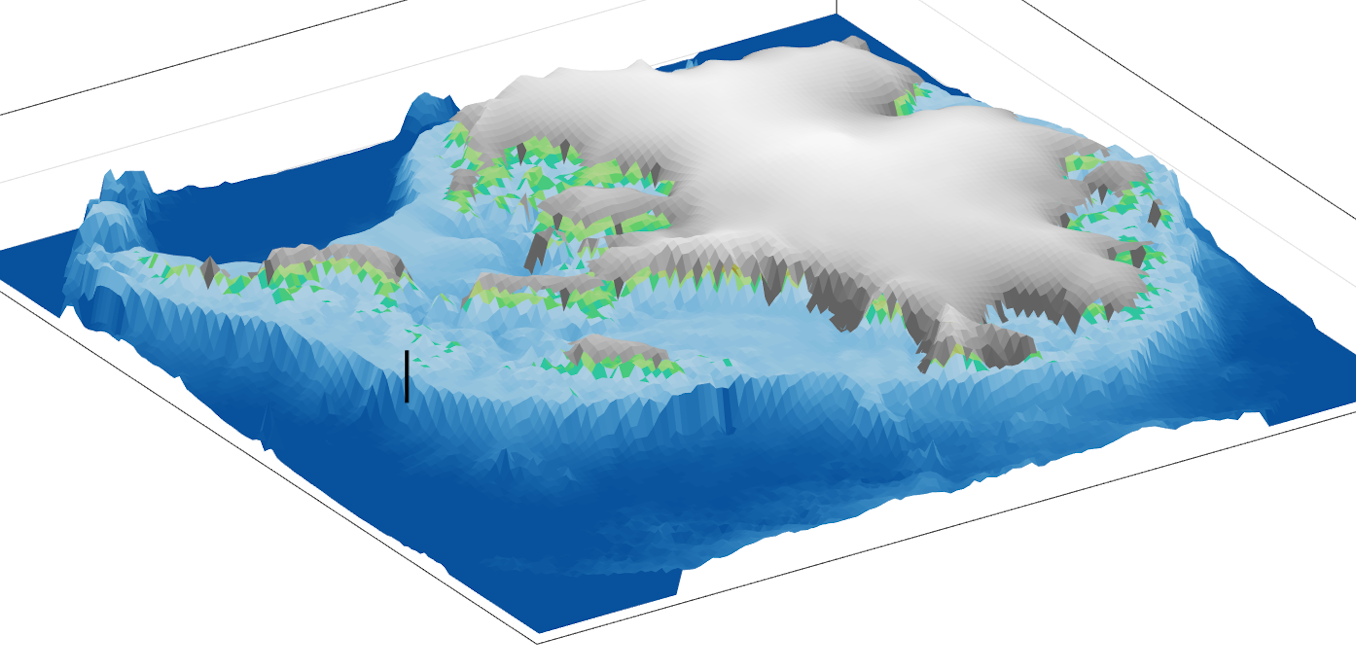
* Greening of Antarctica: Vast areas of land on West Antarctic islands could become habitable for mosses, ground cover, and coastal vegetation, leading to a surprisingly “greener” Antarctica.
Preparing for a Rapidly Changing Future
The data is clear: the future of West Antarctica is likely to be characterized by rapid, dramatic shifts. This isn’t a distant