The Erosion of Jenin: Israel’s Operation and the Future of Palestinian Refugee camps
The recent large-scale Israeli military operation in Jenin, a city and refugee camp in the West Bank, has left a trail of destruction and sparked concerns about a broader strategy aimed at dismantling the very concept of Palestinian refugee status. While Israel frames the operation as a necessary security measure, Palestinian officials, aid workers, and residents paint a different picture – one of intentional targeting and a long-term plan to reshape the demographic and political landscape.
This article delves into the complexities of the situation, examining the immediate aftermath of the operation, the accusations leveled against Israel, and the potential implications for the future of Palestinian refugee camps. We’ll explore the perspectives of those on the ground and analyze the strategic motivations driving these actions.
The Immediate Impact: Devastation and Restricted Access
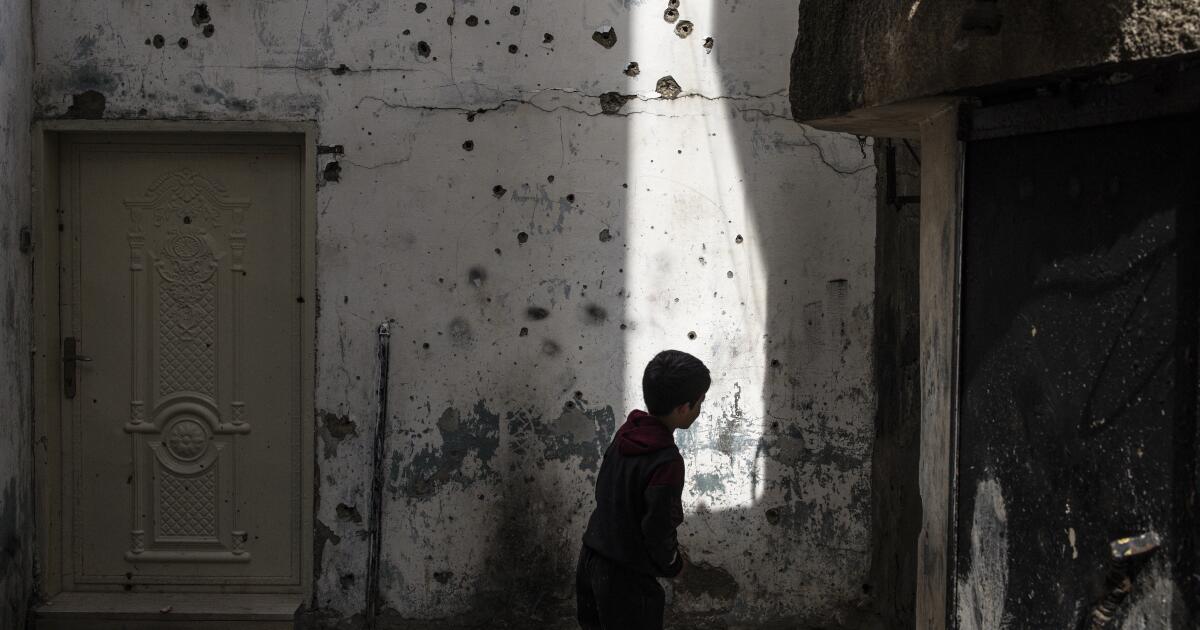
The military operation, dubbed ”Operation iron Wall,” resulted in widespread damage to infrastructure, homes, and essential services within Jenin and the adjacent refugee camp. Reports and images emerging from the area depict streets reduced to rubble, buildings leveled, and a humanitarian crisis unfolding.
However, the physical destruction is only part of the story. Palestinian officials report repeated attempts to secure a timeline for the withdrawal of Israeli forces have been met with silence. Crucially, access to the camp for humanitarian aid and independent observers remains severely restricted. This lack of openness fuels concerns about ongoing human rights violations and hinders efforts to provide essential assistance to affected residents.
Security Concerns or a Broader Strategy?
Israeli authorities maintain the operation was a direct response to escalating violence emanating from Jenin, a known stronghold for militant groups. They argue the incursion was necessary to dismantle terrorist infrastructure and restore security.
Yet, Palestinian Authority Security Forces spokesman Brig. Gen. Anwar Rajab disputes this narrative. He asserts that Palestinian security forces are capable of maintaining order and that Israel’s actions are not driven by genuine security concerns. Rather, he believes Israel is deliberately undermining Palestinian authority.
This viewpoint is echoed by many residents, analysts, and aid workers who suspect a more profound objective: to dismantle the established identity of Jenin as a refugee camp.
The Rebranding of refugee Camps: Erasing Palestinian Identity
For decades, Palestinian refugee camps like Jenin have served as potent symbols of displacement and the unresolved status of Palestinian refugees. These camps, established after the 1948 Arab-Israeli War and subsequent conflicts, represent a collective memory of loss and a demand for the right of return.
Now, there’s growing fear that Israel is actively working to erase this history.
Here’s how this is unfolding:
* Physical Change: The destruction of infrastructure and rebuilding efforts are reportedly focused on transforming the camp into a more conventional urban area, blurring the lines between camp and city.
* Restricting UNRWA Access: Israel’s refusal to allow the United Nations Relief and Works Agency for Palestine Refugees in the Near East (UNRWA) to operate within the camp is particularly alarming. UNRWA provides vital services – education,healthcare,and social support – to Palestinian refugees. its exclusion effectively isolates the community and weakens its institutional support.
* Official Rhetoric: Reports indicate Israeli officials have publicly stated their intention to eliminate the “geographic expression of the refugee issue” following the completion of Operation Iron Wall. This suggests a deliberate effort to redefine the camp’s identity and diminish the claims of its residents.
As Roland Friedrich, director of affairs in the West Bank for UNRWA, explains, this is “targeting a community by changing the topography on the ground.”
The Resilience of Cultural Identity: A Theater’s Struggle
Amidst the destruction and uncertainty, individuals within jenin are striving to preserve their cultural identity and resist the erosion of their heritage.
consider the story of Sheta, a local artist and founder of a theater in Jenin refugee camp. His theater,established in 2006,served as a vital space for creative expression and community engagement. Sheta’s recent arrest and subsequent release highlight the challenges faced by those attempting to maintain a cultural presence in the face of occupation.
His experience – including reports of routine beatings,humiliating strip searches,and verbal abuse - underscores the dehumanizing treatment Palestinians often endure. Despite these hardships, Sheta remains committed to his work, recognizing the importance of cultural resistance