The Shifting Landscape of the Israeli-Palestinian Conflict: A Critical Turning Point
the situation in the West Bank is undergoing a dramatic shift, one that fundamentally challenges the long-held prospects for a two-state solution. Recent developments surrounding the E1 settlement expansion signal a perhaps irreversible course correction in Israeli policy,and understanding the implications is crucial.
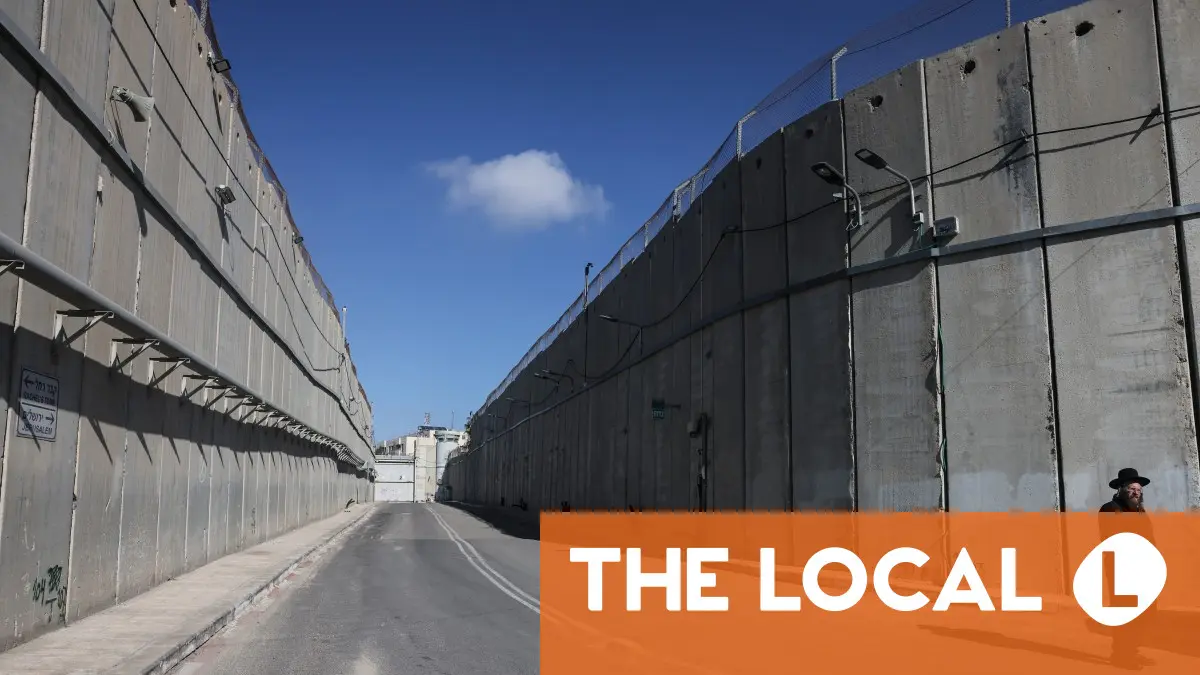
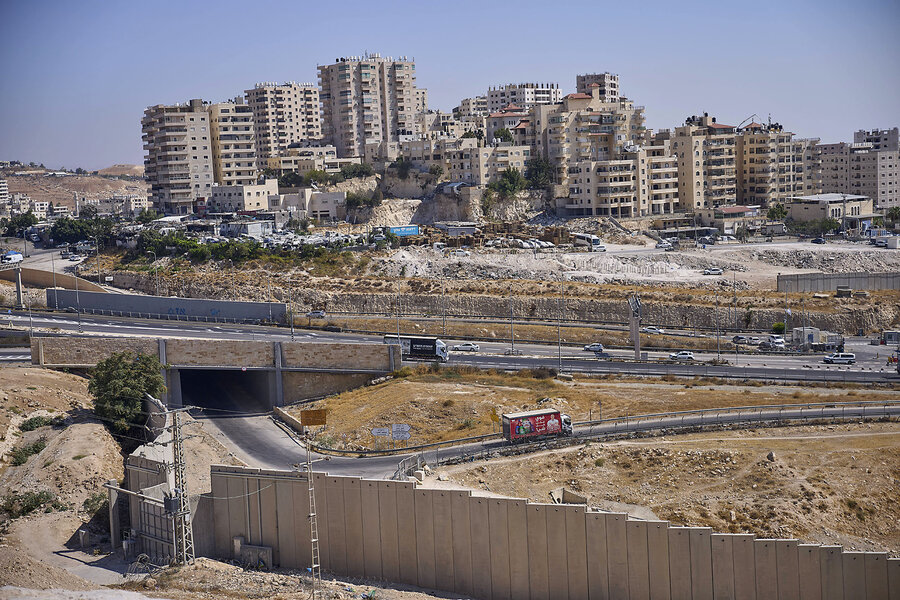
For years, the E1 area – land connecting the Israeli settlement of Ma’ale adumim to Jerusalem - has remained a point of contention. Now, plans are moving forward to build homes, roads, and infrastructure, effectively severing the northern and southern West Bank. This action isn’t simply about construction; it’s a strategic move with profound political ramifications.
What Does This Expansion Mean?
Let’s break down the key aspects of this development:
* Geographic Impact: The E1 expansion physically divides the West Bank, isolating Bethlehem and other southern communities from the north. This creates meaningful obstacles for Palestinian movement and economic viability.
* Demographic Shift: The project aims to house approximately 70,000 Israelis in the area, further solidifying Israeli control over the territory.
* Political Statement: The Israeli prime Minister has explicitly stated this expansion demonstrates a rejection of a future Palestinian state, a declaration that carries immense weight.
You might be wondering why this is happening now. The October 2023 attacks by Hamas have dramatically reshaped the internal political landscape within Israel. Voices advocating for a two-state solution have been largely marginalized, replaced by a hardened stance against Palestinian statehood.
The Role of International Pressure
Historically, the E1 expansion has been repeatedly delayed due to opposition from the United States. Previous Israeli governments yielded to Washington’s concerns, recognizing the detrimental impact on peace efforts. In 2009, such as, the Prime Minister outlined a vision including a Palestinian state in response to pressure from then-President Obama.
However, the current political climate is different. The prevailing argument within Israel is that supporting Palestinian statehood now would be tantamount to rewarding Hamas. this narrative is gaining traction, and the expectation is that the current U.S.administration will offer tacit support, or at least refrain from forceful opposition.
What’s at Stake?
France, alongside other Western nations and Saudi Arabia, is attempting to revive the possibility of a two-state solution through diplomatic efforts. But the reality on the ground paints a bleak picture.
Consider these points:
* Diminished Prospects for Negotiation: With the E1 expansion underway, the territorial basis for a viable Palestinian state is rapidly eroding.
* Increased Instability: The fragmentation of the West Bank fuels resentment and creates a breeding ground for further conflict.
* Erosion of International Norms: A shift in U.S. policy towards accepting the status quo undermines decades of international consensus on the Israeli-Palestinian conflict.
Ultimately, the decisive factor will be the willingness of external actors to challenge the current trajectory. The question isn’t simply about building settlements; it’s about the future of a region,and the possibility of a just and lasting peace.
You deserve to understand the complexities of this situation, and to be informed about the choices that are being made – choices that will shape the lives of millions for generations to come. the coming months will be critical in determining whether a path towards peace can be salvaged, or if the dream of a two-state solution will finally be extinguished.