
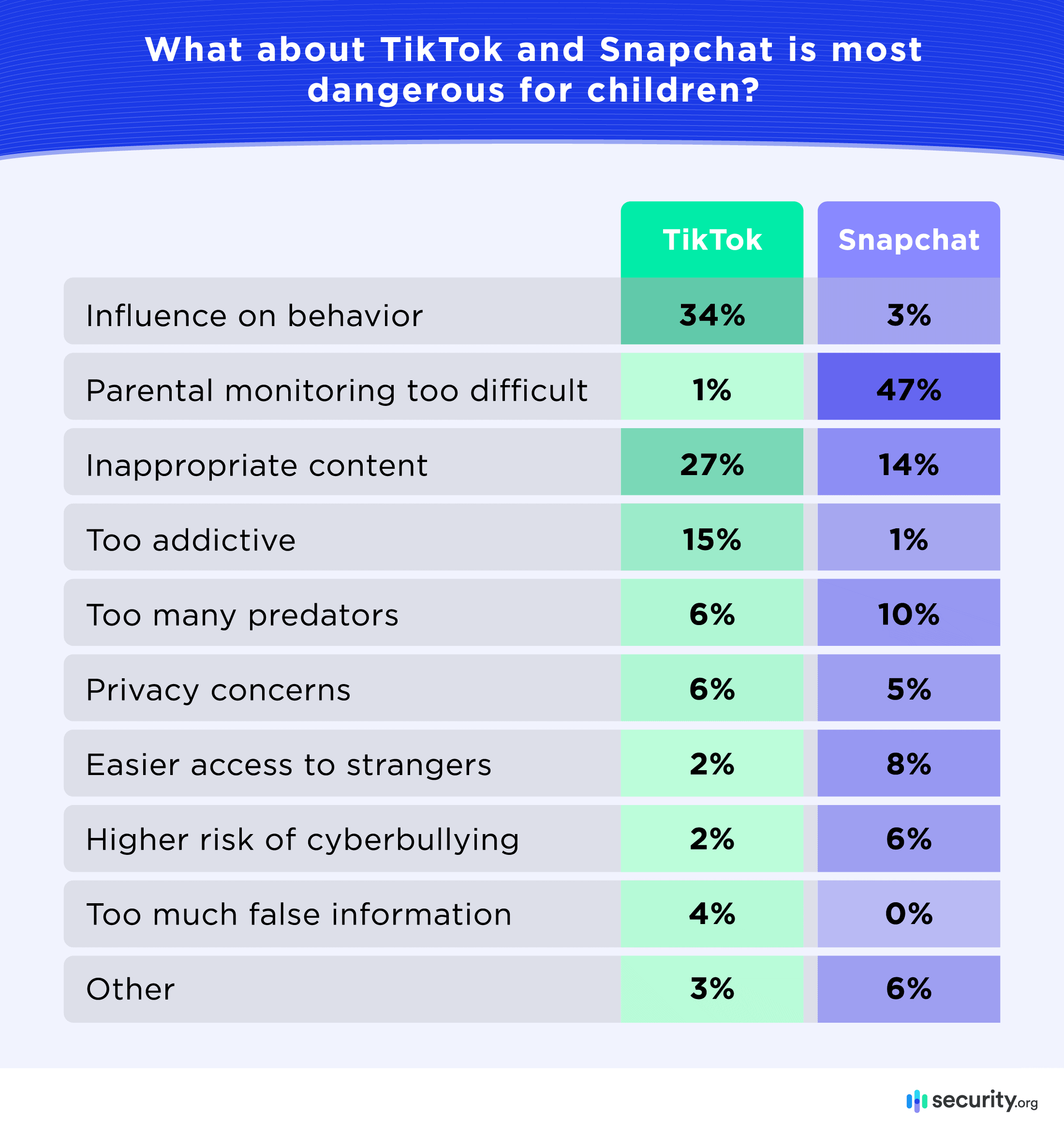
Dutch authorities are sounding the alarm over a dangerous social media-driven trend known as “jumpen,” where teenagers coordinate sudden, filmed assaults on other youths via Snapchat group chats. The phenomenon has shifted from random acts of harassment to coordinated violence, leaving victims physically injured and psychologically scarred as the footage is circulated online for peer validation.
The severity of this trend was highlighted in a recent incident in Bovenkarspel, Noord-Holland, where three minor boys were arrested after a filmed assault in a local playground. According to police reports, the victim was forced to his knees and made to apologize before being beaten, an act that was recorded and subsequently shared on social media via NL Times.
This specific attack, which occurred around 9:30 p.m. On Thursday, April 2, 2026, at a playground along the Spoorsingel, is being treated by law enforcement as part of a broader pattern of “jumpen” incidents across the Netherlands. The suspects, consisting of one 15-year-old and two 16-year-old boys from Drechterland, were apprehended overnight between Thursday and Friday in and around the Streekhof shopping center via NL Times.
The rise of “jumpen” represents a disturbing intersection of adolescent peer pressure and digital amplification. By utilizing the ephemeral and group-centric nature of Snapchat, perpetrators can organize attacks quickly and disseminate the resulting footage to a wide audience before authorities can intervene.
Understanding the ‘Jumpen’ Phenomenon
The term “jumpen” refers to a specific style of group violence where a target is selected—often randomly or through a group vote in a chat—and then “jumped” or assaulted without warning. These attacks are not merely physical. they are designed for digital consumption. The primary objective for the perpetrators is often to capture the victim’s reaction and the act of violence on camera to increase their social standing within their online circles.
Police in Lansingerland, near Rotterdam, have previously warned parents that these attacks often target schoolchildren during their commute or near sports facilities via NL Times. The violence can range from sudden blows and hair-pulling to more severe coordinated beatings. The psychological impact is compounded by the fact that the footage is shared in group chats, effectively subjecting the victim to repeated trauma every time the video is viewed.
A critical component of the trend is the atmosphere of fear created within the group chats themselves. Law enforcement officers have reported that some teenagers remain in these toxic chats even when they disagree with the violence because they fear they will become the next target of a “jump” if they leave via NL Times.
Law Enforcement Response and Community Impact
Dutch police are taking a proactive approach to curb the spread of this trend by engaging directly with schools and parents. In Lansingerland, community police officers distributed official warning letters to parents and young people through schools and sports clubs to alert them to the seriousness of the reports via NL Times.
The case in Bovenkarspel underscores the escalating nature of these encounters. The act of forcing a victim to kneel and apologize before an assault indicates a level of humiliation and power dynamics that go beyond simple physical skirmishes. Police indicated that the assault involved “multiple minors,” and while three were initially arrested, they have not ruled out further arrests as the investigation continues via NL Times.
For parents, the “jumpen” trend is particularly alarming because the targets are often chosen without an obvious catalyst or prior conflict. This randomness makes it difficult for guardians to protect their children, as the threat emerges from the digital shadows of encrypted or disappearing messages.
Key Characteristics of “Jumpen” Attacks
- Digital Coordination: Use of Snapchat group chats to select targets and organize the time and place of the attack.
- Filmed Evidence: The assault is recorded specifically to be shared online, serving as a “trophy” for the attackers.
- Random Targeting: Victims are often targeted without warning, sometimes during routine activities like traveling to school.
- Coercive Group Dynamics: Peer pressure forces both participants and bystanders to comply to avoid becoming victims themselves.
The Role of Social Media in Adolescent Violence
The “jumpen” trend highlights a systemic issue with how social media platforms can be weaponized by minors. The ability to create private, high-speed communication channels allows for the rapid mobilization of groups, while the “story” and “chat” features encourage the documentation of “viral” moments, regardless of the legality or morality of the content.
Authorities emphasize that the impact on the victims is enormous, involving not only physical injury but also a profound sense of betrayal and public shame when the footage is circulated. The digital footprint of such an attack ensures that the humiliation persists long after the physical wounds have healed.
As police continue to question the suspects in the Bovenkarspel case, the focus remains on identifying the full network of minors involved in the coordination of the attack. The suspects were scheduled for questioning on Friday, April 3, 2026, following their overnight arrest via NL Times.
The next confirmed step in the Bovenkarspel investigation is the continued questioning of the three detained minors to determine if additional suspects were involved in the coordination or filming of the assault.
World Today Journal encourages readers to share this report to raise awareness among parents and educators regarding the “jumpen” trend. We welcome your comments and perspectives on how social media platforms can better prevent the coordination of real-world violence.