
Pakistan Bolsters Wheat Security & Agricultural Research amidst Climate Challenges
Islamabad – Pakistan is taking critically important steps to strengthen its wheat security adn modernize its agricultural research capabilities, as evidenced by recent developments including the formation of a Wheat Oversight Committee and a detailed review of national research initiatives by the Senate Standing Committee on National Food Security and Research.These efforts come at a critical juncture, acknowledging the increasing vulnerability of the nation’s food supply to both market fluctuations and the escalating impacts of climate change.
New Oversight & Strategic Reserves for Wheat
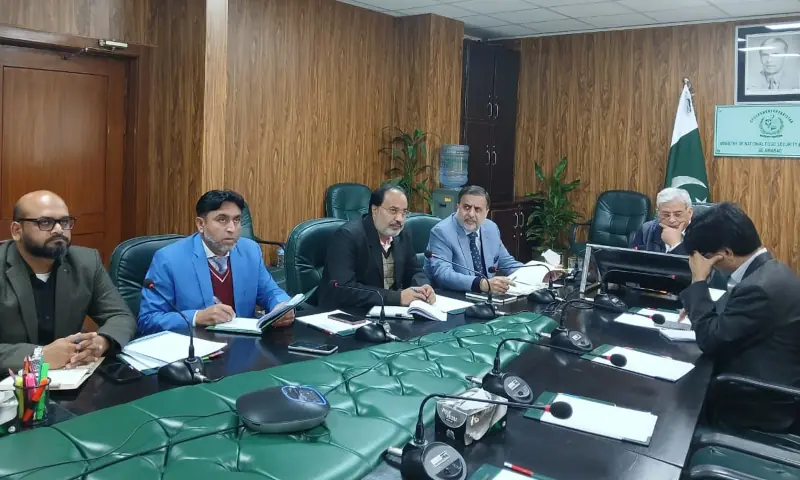
on Monday, Minister for National Food Security and Research, Rana Tanveer Hussain, chaired the inaugural meeting of the Wheat Oversight Committee, established under the recently formulated interim wheat policy. While the full details of the policy remain undisclosed,the government previously unveiled a roadmap for wheat procurement and a broader ‘national Wheat Policy and Wheat Management Strategy’ for 2025-26. This long-term plan aims to ensure food security, protect farmer livelihoods, safeguard consumers, and build resilience against disruptions.
A key emphasis of the new policy, reiterated by Minister Hussain, is the necessity for provincial governments to maintain strategic wheat reserves commensurate with their population needs. This proactive approach recognizes the importance of localized buffer stocks in mitigating potential supply shortages and stabilizing prices. The committee also discussed the procurement mechanism for the upcoming wheat crop, aligning it with the overarching policy objectives. Furthermore,the Minister highlighted the crucial role of private sector engagement in the wheat value chain,envisioning new business opportunities and employment,particularly for the nation’s youth.
Strengthening Research & Monitoring to Combat Crop Disease
Parallel to the policy developments, the Senate Standing Committee on National Food Security and Research received a comprehensive briefing on the nation’s crop monitoring and research efforts. The committee was assured that Pakistan has successfully avoided major wheat and rice crop failures due to diseases like yellow rust, a testament to the effectiveness of stringent monitoring mechanisms.
these mechanisms are spearheaded by the Pakistan Agricultural Research Council (PARC) and the National Agricultural research Center (NARC), which jointly monitor approximately 1,500 wheat lines and 500 rice lines through the Crop Diseases Research Institute (CDRI). This proactive surveillance allows for early detection and mitigation of potential outbreaks, safeguarding national yields.
Focus on Climate resilience & Bridging the Research-Farmer Gap
The Senate Committee’s visit to NARC revealed significant progress in developing new seed varieties and promoting initiatives under the Green Pakistan Initiative (GPI), particularly within the livestock sector. Pakistan currently ranks as the “third-largest milk producer” globally, a position the government aims to solidify through initiatives like animal tagging and the establishment of model animal markets.
Though, the committee also identified critical areas for advancement. Senator Syed Masroor Ahsan, Chairman of the committee, expressed concern over the widening research gap caused by climate change and directed PARC to prioritize the development of climate-resilient seed varieties and promote “smart” agricultural practices.
This directive underscores a growing recognition that traditional agricultural methods are increasingly inadequate in the face of unpredictable weather patterns and evolving pest pressures. The committee also emphasized the need to bridge the gap between research institutions and farmers, advocating for the widespread dissemination of research findings through all available media channels.
Coordination & Emerging Opportunities
despite agriculture being a devolved subject under the 18th Amendment, the committee stressed the importance of effective coordination between the federal government and provincial authorities in both agriculture and livestock. This collaborative approach is vital for ensuring a unified national strategy and maximizing resource allocation.
The committee also explored emerging opportunities within the agricultural sector, including the potential for developing a more organized donkey farming industry for meat and skin exports. While acknowledging the potential, the committee highlighted the need for structured planning and investment to realize this possibility.
Looking Ahead
These recent developments signal a concerted effort by the Pakistani government to bolster its food security,modernize its agricultural research infrastructure,and adapt to the challenges posed by climate change. The success of these initiatives will depend on sustained investment in research and development, effective collaboration between stakeholders, and a commitment to disseminating knowledge and innovation to the nation’s farmers. The focus on strategic reserves, private sector engagement, and climate-resilient agriculture positions Pakistan to navigate future challenges and ensure a sustainable food supply for its growing population.


