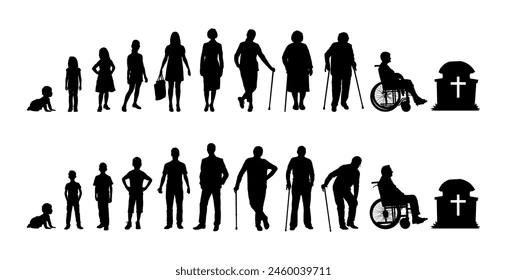
decoding the Biological Clock: When Does Aging Truly Begin?
A groundbreaking study, published July 25th in Cell, is reshaping our understanding of how and when the aging process accelerates within the human body. Researchers have pinpointed specific protein changes that offer a cellular-level timeline, potentially unlocking new avenues for extending not just lifespan, but healthspan – the years lived in good health.
The Protein Outlook: A Window into Cellular Aging
Think of your cells as intricate factories, diligently producing proteins based on instructions from messenger RNA. As we age, this process becomes less efficient and accurate. This decline in protein production is a key hallmark of aging.
Dr. Thomas Blackwell, Associate Dean for Graduate Medical Education and Professor of Medicine at the University of Texas Medical Branch, explains that analyzing these proteins provides a crucial window into the onset of age-related changes.
When Does the Acceleration Start?
The study, wich analyzed tissues from vital organs – heart, liver, pancreas, spleen, lung, skin, and muscles – reveals a meaningful acceleration in aging between ages 45 and 55. However, it’s not a uniform process.
Here’s a breakdown of organ-specific aging timelines:
Early Signs (around age 30): Spleen, aorta (main artery), and adrenal gland begin to show noticeable changes.
Significant Shift (ages 45-55): A widespread acceleration of aging across most organs.The aorta experiences the most dramatic protein level changes during this period.
Variable Rates: Different organs age at different speeds, highlighting the complexity of the aging process.
A roadmap for Future Therapies
Neville Sanjana, Associate Professor of Biology, Neuroscience and Physiology at New York University and a faculty member at the New York Genome Center, calls the study a “gorgeous roadmap.” It provides a foundational overview of organ aging, paving the way for targeted research.
The implications are substantial. This data could fuel the progress of innovative therapies aimed at combating chronic conditions linked to aging. The goal isn’t just to live longer, but to live healthier for longer.
Restoring Healthy Aging: The Promise of Bioengineering
Sanjana emphasizes the power of this data for fields like bioengineering. It offers a concrete foundation for creating therapies designed to restore youthful cellular function.
It’s Not Too Late: Taking Control of Your Aging Trajectory
While the study identifies a critical window, Blackwell stresses that it’s not a predetermined fate. You can influence your aging trajectory, even later in life. Though, proactive steps are most effective when taken sooner rather then later.
Proven Strategies for a Longer, Healthier Life:
Manage Cardiovascular Health: maintain healthy blood pressure, blood sugar, and cholesterol levels.
Avoid Smoking: Smoking significantly accelerates aging and increases disease risk.
Moderate alcohol Consumption: Limit alcohol intake to “very little.”
Prioritize diet & Exercise: A balanced diet and regular physical activity are cornerstones of longevity.
Acknowledge Genetics & Luck: While lifestyle plays a major role, genetics and unforeseen circumstances also contribute.
The 45-50 Year Threshold: A potential Turning Point
The study suggests that starting healthy habits around ages 45-50 could potentially add up to 10 years of healthy life. This reinforces the idea that lifestyle interventions have a measurable impact at the cellular level.
Looking ahead
This research represents a significant leap forward in our understanding of aging. It’s not just about adding years to life, but about maximizing the quality of those years. By understanding the biological clock, we can begin to develop strategies to slow it down and unlock a future of extended healthspan for all.
Disclaimer: This article provides general information and should not be considered medical advice. Consult with a healthcare professional for personalized guidance.
Source: [https://www.usatoday.com/story/life/health-wellness/2025/08/04/body-aging-longevity-study/85459814007/](https://www.usatoday.com/story/life/health-wellness/20





![Veterinary Care in [Country]: Training, Drug Regulations & Law Updates](https://i0.wp.com/images.dailynewsegypt.com/2025/12/WhatsApp-Image-2025-12-24-at-2.32.11-PM.jpeg?resize=150%2C100&ssl=1 "Veterinary Care in [Country]: Training, Drug Regulations & Law Updates")