Summary of the Article: Understanding Memory Loss and Dementia
This article, featuring neurophysiologist Alejandro Jiménez, discusses the complexities of memory loss and dementia, notably Alzheimer’s disease. Here’s a breakdown of the key points:
* Alzheimer’s is not the only cause of cognitive decline: While the most common form of dementia,other conditions can affect cognitive processes.
* Normal aging vs. pathological decline: Some memory changes are a normal part of aging. The critical factor is whether these changes interfere wiht daily functioning. sporadic, reversible forgetfulness is normal; difficulty with tasks like cooking or getting lost in familiar places is a red flag.
* Dementia impacts more than just memory: Conditions like Alzheimer’s also affect language, reasoning, planning, and problem-solving skills, and progressively worsen over time.
* Many treatable causes of memory loss: not all memory loss is due to neurodegenerative diseases. Vitamin deficiencies,thyroid issues,metabolic problems,medication side effects,sleep disorders,head injuries,and mental health conditions (depression,anxiety) can all contribute.Even excessive alcohol consumption can cause cognitive issues.
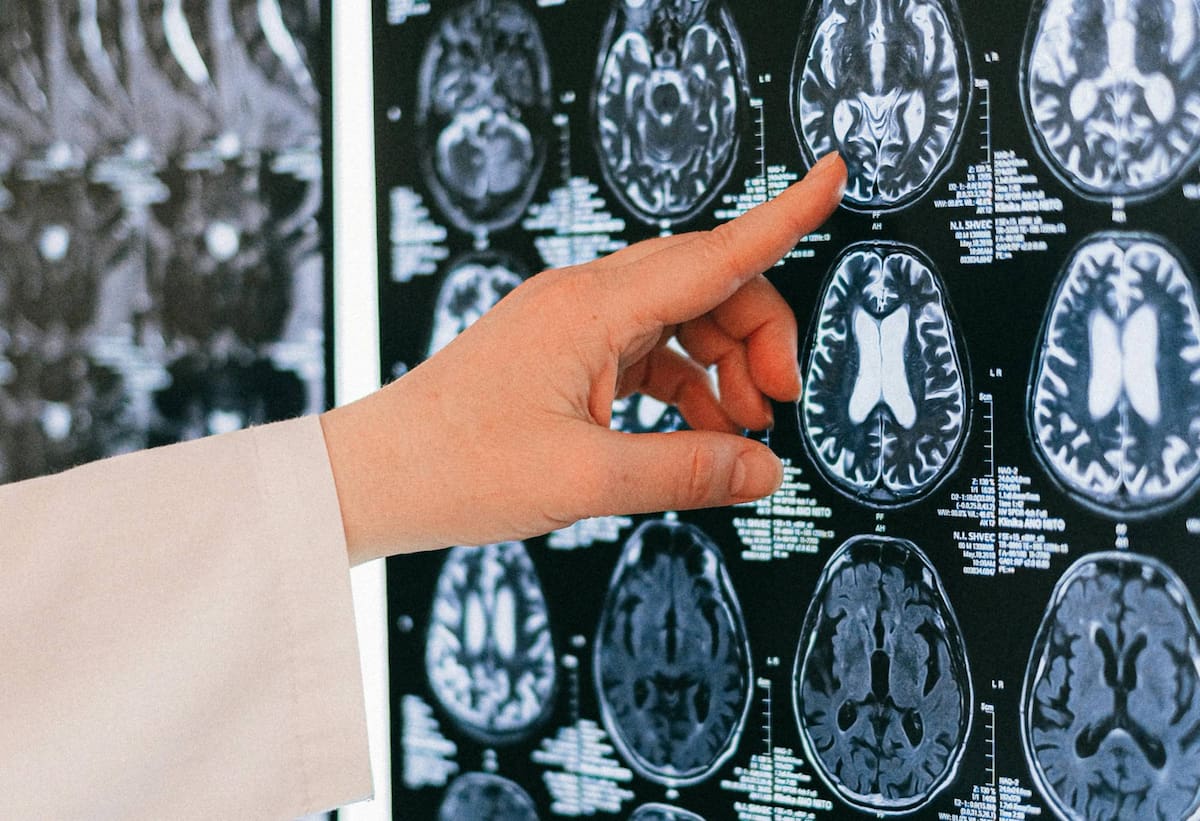
* Comprehensive diagnosis is key: Diagnosis requires a thorough evaluation including clinical interviews, cognitive tests, blood work, and brain imaging to identify reversible causes or rule out more serious conditions.
* Lifestyle can reduce risk: while Alzheimer’s can’t be wholly prevented, a healthy lifestyle – including regular physical activity – can considerably reduce the risk and protect brain function.
In essence, the article emphasizes the importance of understanding the context of memory loss and seeking medical attention when it begins to impact daily life. It also highlights the potential for addressing underlying causes and adopting preventative measures to protect cognitive health.