
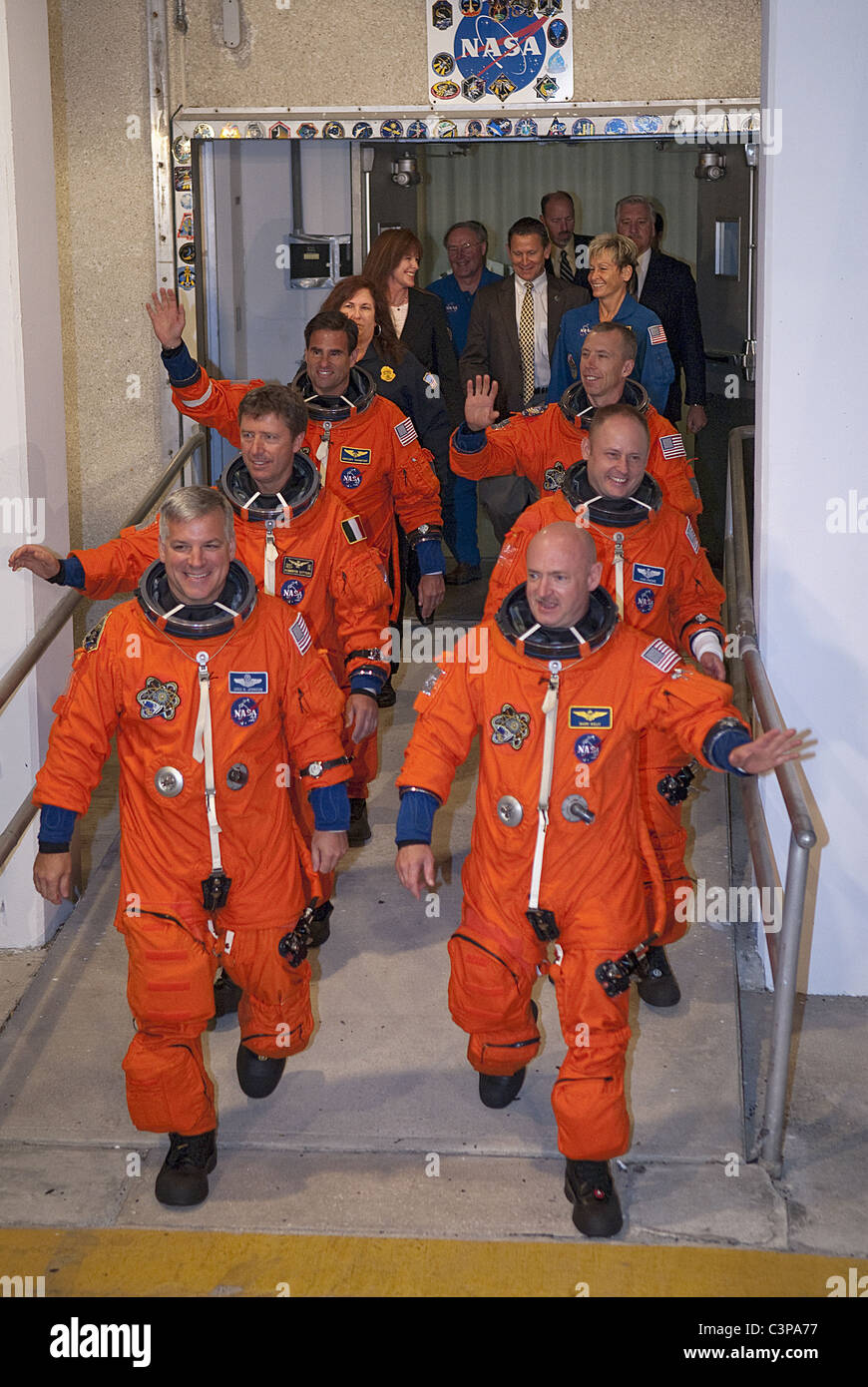
When the world first saw the crew of NASA’s Artemis II mission, the most striking detail wasn’t just the anticipation of the voyage, but the vivid, neon hue of their attire. The four astronauts were outfitted in bright orange spacesuits, a visual choice that serves a purpose far more critical than aesthetics. Although the color is impossible to miss, It’s a calculated safety feature designed for the most perilous phases of a lunar journey.
These suits, officially known as the Orion Crew Survival System, are engineered to be the final line of defense for astronauts aboard the Orion spacecraft. Far from being simple uniforms, they are sophisticated pieces of life-support equipment designed to keep the crew alive during catastrophic failures, such as a loss of cabin pressure. According to NASA, astronauts can survive inside these suits for up to six days while making their way back to Earth via official agency details.
The Artemis II crew—comprising NASA astronauts Reid Wiseman, Victor Glover, and Christina Koch, alongside Canadian Space Agency astronaut Jeremy Hansen—will utilize these suits during their historic mission. Unlike future missions, this specific crew will not land on the lunar surface; instead, they are tasked with venturing 600,000 miles around the moon and returning to Earth at 30 times the speed of sound as reported by NASA.
The Orion Crew Survival System: Engineering for Extremes
The primary function of the Orion Crew Survival System is to protect the crew during launch, re-entry, and the critical moment of splashdown. While astronauts utilize different, self-contained suits for activities outside the spacecraft, the orange suits are specifically designed for the interior of the Orion capsule and the immediate aftermath of landing in the ocean.

The survival capabilities of the suit extend beyond pressure regulation. Each suit is equipped with specialized gear to ensure the crew can be located and rescued if they must exit the spacecraft after hitting the water. This survival kit is integrated into the suit’s design, ensuring that essential tools are immediately available to the astronaut in an emergency.
Each suit includes its own life preserver, which is outfitted with a personal locator beacon to alert rescue teams of the astronaut’s exact position. The gear includes a rescue knife and a comprehensive signaling kit consisting of a mirror, strobe light, flashlight, whistle, and light sticks per NASA specifications.
Why Neon Orange? The Science of Visibility
The decision to use neon orange for the orange spacesuits is rooted in the physics of visibility. In the event of a splashdown, the vastness of the ocean can make locating a small capsule or an individual astronaut incredibly difficult, regardless of the technology used. The high-contrast orange color is specifically chosen to make crew members easily visible against the blue and grey tones of the ocean surface according to NASA.
This visibility is a critical component of the recovery timeline. By reducing the time it takes for rescue ships and aircraft to spot the astronauts, NASA minimizes the window of exposure to the elements and potential hazards of the open sea. The combination of the bright color and the electronic locator beacons creates a redundant system of discovery, ensuring that no crew member is left behind during the recovery operation.
Key Takeaways: The Function of the Orion Crew Survival System
- Life Support: Designed to keep astronauts alive for up to six days in the event of a cabin pressure loss.
- High Visibility: The neon orange color is specifically used to ensure crew members are easily spotted in the ocean after splashdown.
- Integrated Survival Gear: Suits include life preservers, personal locator beacons, rescue knives, and signaling tools (strobe lights, mirrors, whistles).
- Mission Role: Worn during the Artemis II mission, which involves a 600,000-mile journey around the moon.
The Road to Artemis III
The Artemis II mission serves as a vital testing ground for the technology that will eventually enable humans to walk on the moon once again. During their 10-day trip, Reid Wiseman, Victor Glover, Christina Koch, and Jeremy Hansen will test the life support systems within the Orion capsule. This data is essential for ensuring the safety of future crews who will venture further than the Artemis II team.
While the Artemis II crew will orbit the moon, the ultimate goal of the program is a lunar landing. This milestone is slated for the Artemis III mission, which NASA is currently hoping to launch sometime in 2027 according to agency timelines.
The transition from the Orion Crew Survival System used during transit to the suits used for lunar exploration represents the dual nature of space travel: the need for extreme protection during the journey and specialized functionality for the destination. As NASA refines these systems, the bright orange of the Orion suits remains a symbol of the agency’s “safety-first” approach to deep space exploration.
The next confirmed checkpoint for the program is the planned Artemis III moon landing, targeted for 2027. We will continue to monitor NASA’s progress as they move closer to returning humans to the lunar surface.
Do you experience the visual identity of space missions impacts public engagement with science? Share your thoughts in the comments below or share this article with your network.