
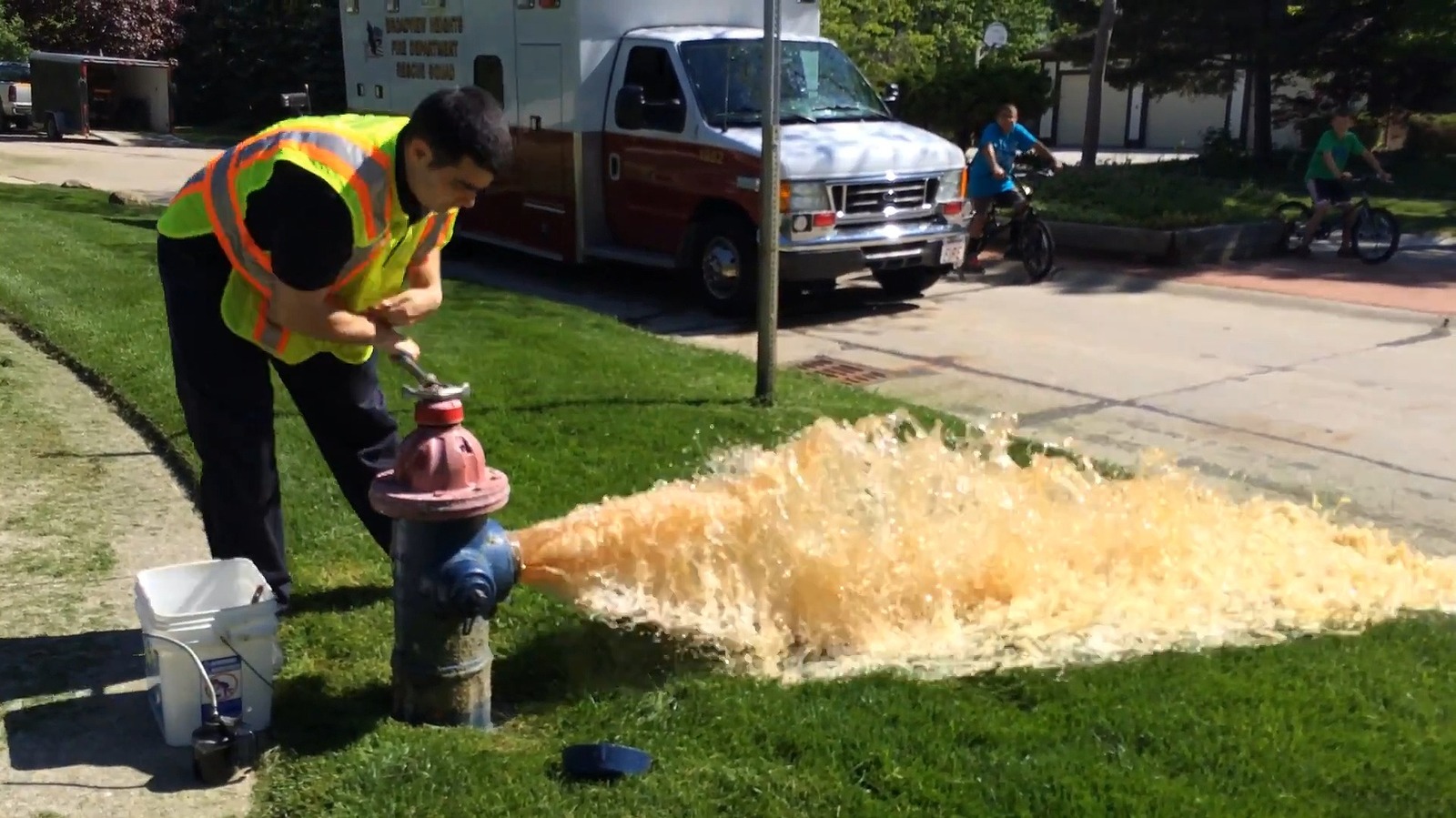
Why Firefighters Flush Fire Hydrants Before Fighting Fires - And What It Means for Your Water
Have you ever noticed murky, discolored water coming from your taps after seeing firefighters working near a fire hydrant? It’s not cause for alarm, and here’s why. fire departments routinely flush hydrants as a crucial part of maintaining a reliable water supply and ensuring optimal fire protection for your community.
The Importance of Hydrant Flushing
I’ve found that many people are surprised to learn ther’s a specific reason firefighters release water before using a hydrant for firefighting. It’s all about water quality and ensuring a strong, consistent flow when every second counts.
Here’s a breakdown of what’s happening:
Sediment Buildup: Over time, mineral deposits, sediment, and biofilm naturally accumulate inside water pipes. Clearing the Lines: Flushing the hydrant forcefully removes this buildup, preventing it from interfering with water flow during an emergency.
Ensuring Water Clarity: Removing sediment ensures the water delivered to firefighters is clean and free of debris,maximizing the effectiveness of their efforts.
testing Hydrant Function: Flushing also allows crews to assess the hydrant’s pressure and flow rate, confirming it’s operating correctly.
What About the Brown Water in Your Home?
It’s true – flushing can sometimes cause temporary discoloration of your tap water.Regrettably, the sediment dislodged from the pipes doesn’t always flow directly down the street.
Here’s what you need to know:
Temporary Discoloration: The stirred-up sediment can briefly make your water appear brown or reddish.
Harmless, But Unappealing: This discoloration is generally harmless, tho it might not look inviting. Simple Solution: Simply run your cold water for a few minutes until it clears. Start with a faucet closest to the hydrant if possible.
U.S. Water Quality: A High standard
You can rest assured that the U.S. maintains remarkably high standards for drinking water. Recent data shows America ranks 15th globally in sanitation and drinking water quality, boasting a score of 96.2 out of 100.
Regular hydrant flushing is actually part of the process that helps maintain this quality. It’s a proactive measure to ensure you consistently receive safe, clean water.
What to Do If You Have Concerns
While temporary discoloration is normal, here’s what to do if you’re still concerned:
Contact Your Water Department: If the discoloration persists for an extended period, reach out to your local water utility.
Avoid using hot Water: During and promptly after a flush, avoid using hot water, as it can draw discolored water into your hot water heater.
Don’t Wash Clothes: It’s best to postpone laundry until the water runs clear to prevent staining.
Ultimately, the next time you see firefighters flushing a hydrant, remember they’re not just preparing for emergencies – they’re actively working to protect your home and deliver the highest quality water possible.





