
For decades, the thick, checked flannel shirt has occupied a predictable place in the modern wardrobe: reserved for weekend gardening, rugged outdoor excursions, or as a desperate final layer against a biting winter chill. It was the quintessential symbol of utility, prized for warmth and durability rather than aesthetic ambition. However, as we move through 2026, the narrative is shifting.
The workwear staple is currently undergoing a high-fashion metamorphosis, evolving from a utilitarian necessity into a marker of “laidback cool.” This flannel shirts comeback represents a broader movement in global style, where the boundary between blue-collar utility and luxury catwalks continues to blur. The goal is a precise balance: achieving a look that is casual without being sloppy.
This resurgence is not merely a nostalgic nod to the 1990s grunge era, but a calculated integration of comfort and status. From the front rows of international fashion weeks to the screens of Gen Z-centric dramas, the flannel is being recast. No longer confined to the woods or the workshop, it is now appearing in the collections of some of the world’s most prestigious luxury houses, signaling a shift in how the global elite define “off-duty” elegance.
The Luxury Pivot: From Workwear to Runway
The transition of the flannel shirt from the hardware store to the haute couture runway is being led by several powerhouse brands. Recent collections from Marni, Chloé, and Chanel have all integrated versions of the checked shirt, stripping away the garment’s purely functional origins and replacing them with high-end fabrics and avant-garde tailoring.
This trend aligns with the “quiet luxury” movement, where the value of a garment is found in its silhouette and material rather than overt branding. By elevating a humble workwear piece, these brands are appealing to a consumer base that values a perceived authenticity and a “down-to-earth” aesthetic, provided it is executed with luxury precision. The result is a garment that suggests a relaxed disposition while maintaining an undeniable air of exclusivity.
Pop Culture Catalysts and the ‘Euphoria’ Effect
While the runways set the stage, pop culture is driving the mass adoption of the trend. A significant catalyst this season has been the return of the Gen Z drama Euphoria. Stills from the new series have highlighted the character Nate Jacobs, played by Jacob Elordi, wearing a “flannel” shirt from Bottega Veneta that deviates sharply from traditional cotton.
The garment in question is crafted from leather, a high-fashion reimagining of the workwear silhouette. Originally part of the spring/summer 2023 collection and famously worn by Kate Moss on the catwalk, the piece is reported to cost approximately £4,600. This juxtaposition—a “operate shirt” made of luxury leather with a price tag exceeding several thousand pounds—perfectly encapsulates the modern irony of the trend: the aesthetic of the working class repurposed as a luxury status symbol.
The Influence of Modern Style Icons
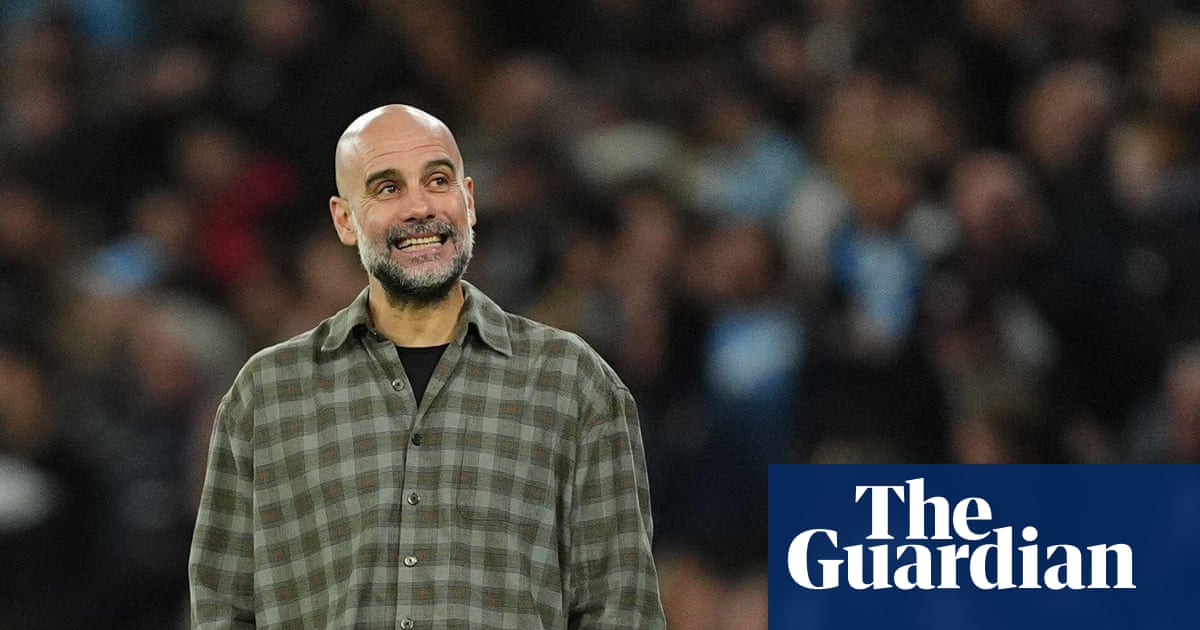
The shift toward “laidback cool” is further validated by its adoption among the fashion industry’s most influential figures. The trend has been spotted on seasoned fashion editors and stylists, as well as unexpected figures like Manchester City manager Pep Guardiola, proving the flannel’s versatility across different demographics and professional spheres.
Crucial to this movement are figures like Adwoa Aboah and Emily Ratajkowski. Both women have successfully navigated the transition from high-fashion modeling to acting, a career pivot that mirrors the flannel’s own transition from utility to art. Their influence extends beyond the clothes they wear; as seen in their recent high-profile collaborations and appearances, they represent a modern blend of strength and femininity that resonates with a global audience.
Aboah and Ratajkowski recently appeared together on the cover of Porter magazine in July 2025, where they discussed the complexities of their careers and the importance of transparency and trust within the industry via PORTER. Their visibility in projects like Lena Dunham’s Netflix series Too Much ensures that their style choices—including the adoption of elevated casuals—reach millions of viewers worldwide, cementing the flannel’s status as a bona fide fashion item for 2026.
Defining ‘Casual Without Being Sloppy’
The primary challenge for those adopting the flannel shirts comeback is avoiding the “sloppy” trap. The difference between looking like a lumberjack and looking like a fashion insider lies in the styling and the contrast of textures.
Industry observers suggest several ways the trend is being executed to maintain a polished edge:
- High-Low Pairing: Pairing an oversized flannel with tailored trousers or a sleek skirt to balance the ruggedness of the shirt.
- Material Contrast: Swapping traditional brushed cotton for silk blends, heavy linens, or, in the case of Bottega Veneta, luxury leather.
- Structured Layering: Using the flannel as a light jacket over a minimalist base, such as a high-neck bodysuit or a crisp white tee, rather than wearing it as a standalone utility shirt.
- Vintage Curation: Sourcing authentic vintage finds and pairing them with modern, high-end accessories to create a curated, intentional look.
Key Takeaways: The 2026 Flannel Trend
| Element | Traditional View | 2026 Fashion View |
|---|---|---|
| Purpose | Utility/Warmth | Aesthetic/Status |
| Key Materials | Brushed Cotton/Wool | Leather/Silk Blends/Luxury Wool |
| Primary Influence | Outdoor Workwear | Runways (Chanel, Marni) & Pop Culture |
| Style Goal | Practicality | “Laidback Cool” |
As the fashion cycle continues to rotate, the flannel shirt’s return serves as a reminder of the industry’s obsession with the “authentic.” By taking a garment rooted in labor and repurposing it for the luxury market, designers are selling more than just a shirt—they are selling a feeling of effortless ease.
Whether it is a £4,600 leather piece or a carefully selected vintage find, the flannel has successfully migrated from the garden to the front row. The next checkpoint for this trend will be the upcoming autumn/winter 2026 showcases, where industry analysts expect to see how luxury houses further evolve the “workwear” aesthetic for colder climates.
Do you think the luxury flannel is a genuine style evolution or just another example of high fashion overpricing the ordinary? Share your thoughts in the comments below.