
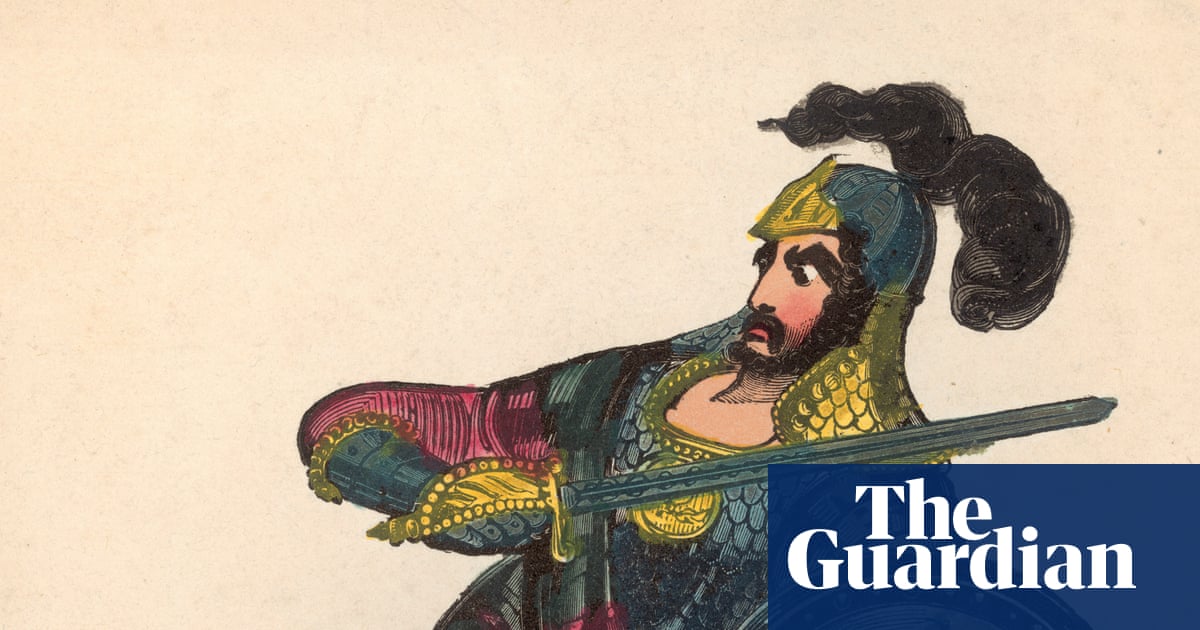
Reimagining History: How Hip-Hop is Giving Scotland’s Past a New Voice
National identity is a powerful force, but is it always a positive one? This question fuels a compelling new theatrical production blending the story of William Wallace with the vibrant energy of hip-hop. Creators are exploring what it truly means to be Scottish, and whether clinging to national narratives ultimately unites or divides us.
The play deliberately taps into a shared cultural understanding. Everyone, it seems, has a foundational knowledge of William Wallace and a sense of Scottish pride.Establishing this common ground within the first few minutes allows for a more impactful and nuanced exploration of history.
This isn’t the first time history and hip-hop have collided. The success of Hamilton demonstrated the genre’s potential for storytelling, and the creators of this new work were keenly aware of that precedent. Interestingly, they both consciously avoided seeing Hamilton during progress, wanting to forge their own path.
The Power of a Modern Medium
Hip-hop, at its core, functions much like traditional folk music. It’s a vehicle for storytelling, a way to pass down history and cultural identity. As one creator aptly put it, “Hip-hop is folk music with caps instead of cardigans.”
Though, folk music is inherently fluid. Each retelling adds a new verse, a personal interpretation, potentially shifting the narrative over time. This play directly addresses that unreliability. It asks a crucial question: how much of what we believe about our national heroes is actually true?
Ancient records surrounding figures like William Wallace are often scarce.
Much of what we know has been passed down through oral tradition and evolving folklore.
The play encourages audiences to critically examine these inherited narratives.
Staying True to Hip-Hop’s Roots
By infusing a Scottish viewpoint into hip-hop, the production honors the genre’s political origins. Hip-hop has never been about simple replication. Instead, it’s consistently adapted to reflect local experiences and circumstances.
Consider this:
Hip-hop originated as a Black American art form, deeply rooted in specific communities.
Its global spread wasn’t about homogenization,but about a revitalization of local cultures.
It’s a powerful tool for representing place, space, and origins.Moreover,hip-hop’s inherent playfulness elevates the theatrical experience. The genre is renowned for its wordplay and lyrical dexterity, qualities that are woven throughout the entire show. You’ll find a dynamic energy that breathes new life into a familiar story.
Ultimately, this production isn’t just about retelling the tale of William Wallace. It’s about prompting you to question the stories you’ve been told, to consider the complexities of national identity, and to experience history through a fresh, invigorating lens. It’s a reminder that history isn’t static – it’s a living, breathing narrative constantly being reinterpreted and reimagined.


