The Rising Stars of Women’s Tennis: Navigating the Jump from Juniors to the Pro Tour
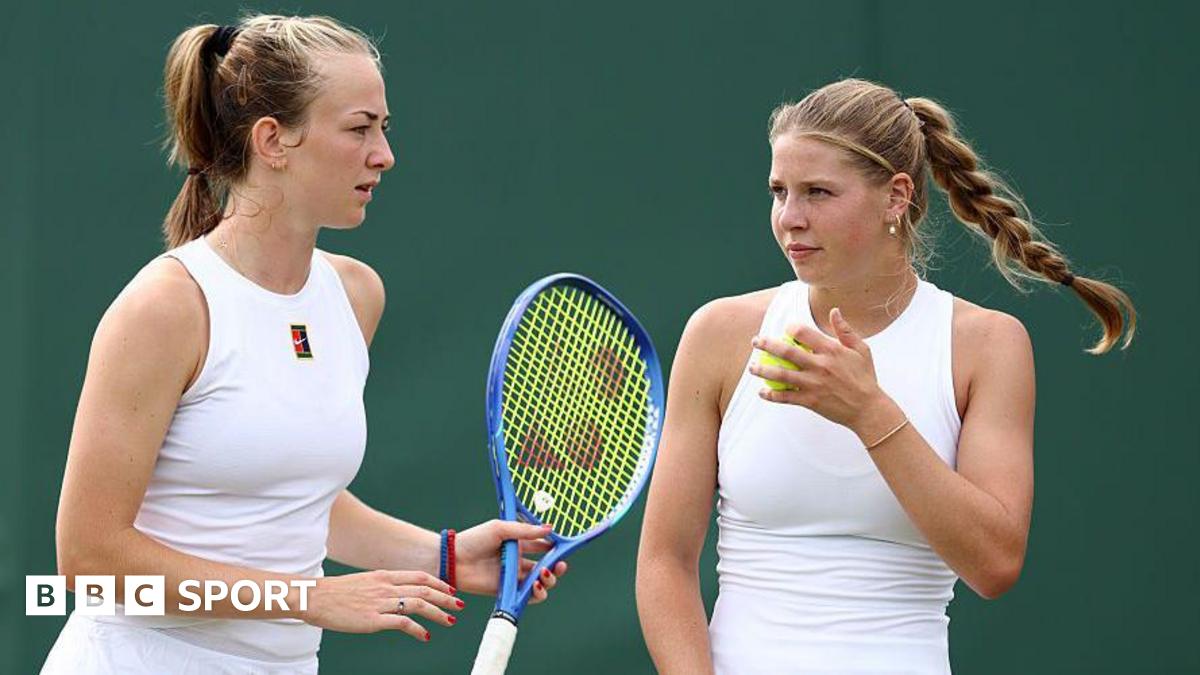
The world of professional tennis is on the cusp of welcoming a new generation of talent. Players like Hannah Klugman and Jovana Stojsavljevic are generating important buzz, prompting discussions about the optimal path for young athletes transitioning from junior competitions to the demanding world of the WTA tour. This article delves into the challenges and opportunities facing these rising stars, offering insights from seasoned veterans and a look at the evolving landscape of women’s tennis.
The Allure of the Pro Tour – And Potential Pitfalls
Annabel Croft,a former junior Wimbledon champion herself,understands the pull of the professional circuit. She recalls her own experience, winning both junior Australian Open and Wimbledon titles in the same year. Croft vividly remembers being more focused on facing her idol, Chris Evert, at Wimbledon than on her junior commitments.
However, Croft also emphasizes the unique value of junior success. “No matter what happens,she [Klugman] has got plenty of time to be putting herself up against the seniors,” Croft stated,”but the one thing you can say about juniors is that you will never ever get that time again.” This sentiment highlights a crucial dilemma: shoudl young players prioritize immediate entry into the professional ranks, or savor the opportunities and accolades available in junior tennis?
Understanding the WTA Age Eligibility rules
The Women’s Tennis Association (WTA) has implemented rules designed to protect young players. Currently, 16-year-olds are limited to participating in 12 professional tournaments annually.This restriction aims to prevent burnout and allow for continued development.
Though, a pathway exists for exceptional junior players. Those who finish the year ranked within the top five in the junior rankings are granted an additional four tournament entries. This provides a crucial opportunity for standout talents like Klugman and Stojsavljevic to gain valuable experience on the professional tour.
Meet the Next Generation: Klugman and Stojsavljevic
These two players represent the exciting future of women’s tennis, having competed against each other as their under-10 days. They bring distinct playing styles to the court.
Hannah Klugman: Possesses a versatile game, highlighted by a strong serve and volley technique. She describes her approach as unconventional, stating, “I’ve got slice, I like to change the rhythm up, mess the player up a little bit – and I’ve got a big serve.” Klugman draws inspiration from former stars like Ash Barty and Emma Navarro. Jovana Stojsavljevic: A powerful ball striker known for her clean and aggressive game. She looks up to tennis icons Maria Sharapova and Novak Djokovic.
The Importance of a Balanced Approach
Successfully navigating the transition from juniors to the pros requires a strategic approach. Here are key considerations for young players and their teams:
Prioritize Development: Focus on honing skills and building a well-rounded game.
Manage Expectations: Understand that setbacks are unavoidable and view them as learning opportunities.
Seek Mentorship: Connect wiht experienced players and coaches for guidance and support.
Physical and Mental Wellbeing: Prioritize rest,recovery,and mental health to prevent burnout.
Evergreen Insights: The Evolution of Junior Tennis and Pro Pathways
The debate surrounding the best path for young tennis players isn’t new. Over the years,we’ve seen a shift in the landscape. Previously, players ofen spent more time developing their game at lower levels before making the jump to the WTA tour. Now, with increased exposure and opportunities, many are accelerating their progression.This trend presents both advantages and disadvantages.While early exposure to the professional circuit can accelerate development, it also carries the risk of overwhelming young players. The key lies in finding a balance that allows them to thrive both on and off the court. You need to remember that building a sustainable career requires more than just talent; it demands resilience, adaptability, and a strong support system.
Frequently Asked Questions About Rising tennis Stars
1. What are the WTA age eligibility rules for professional tournaments?
The WTA currently limits 16-year-olds to 12 professional tournaments per year,with an additional four available to those ranked in the