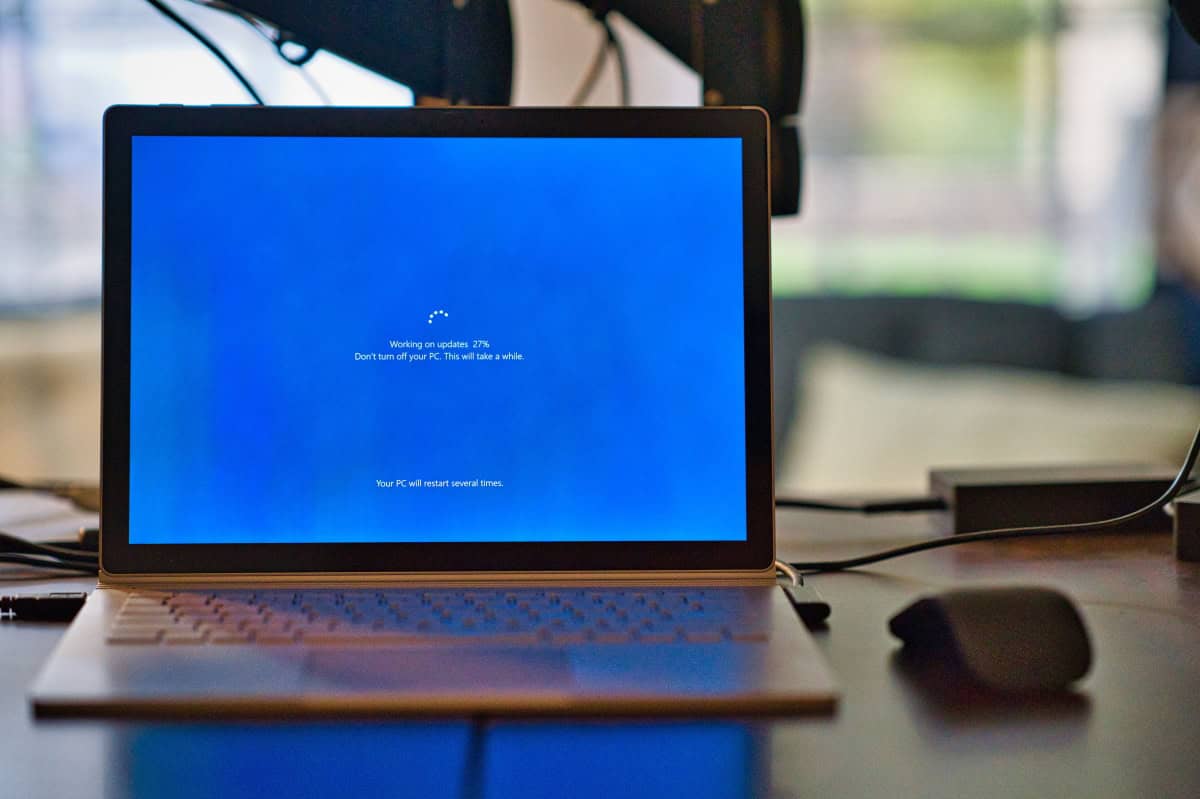
microsoft has recently released the 2025 feature update for Windows 11, bringing a host of new capabilities to your desktop experience.Understanding how to install it,and more importantly,whether you should do so instantly,is crucial. Let’s break down the process and potential considerations.
How to Get the Update
generally, Windows 11 updates roll out in phases. This means not everyone receives them at the same time. Here’s how you can check for and install the 2025 update:
* Windows Update: First, open your Settings app. Then, navigate to Windows Update and click “Check for updates.” If available for your device, the 2025 feature update will appear as a downloadable update.
* Update Assistant: Alternatively, you can use the Windows 11 Installation Assistant. This tool allows you to manually download and install the update, bypassing the phased rollout. You can find it on Microsoft’s website.
* ISO File: For advanced users, downloading the ISO file and performing a clean install is an option. However, this is more complex and requires backing up your data.
Why You Might Want to Wait
While new features are exciting, jumping on the update train immediately isn’t always the best strategy. I’ve found that waiting a short period often leads to a smoother experience. Here’s why:
* Initial Bugs: feature updates, despite rigorous testing, can sometimes contain bugs that aren’t immediately apparent. Early adopters often serve as unintentional testers.
* Compatibility Issues: Your existing hardware and software might not be fully compatible with the new update. This can led to crashes, errors, or reduced performance.
* Driver Conflicts: Newly released updates can sometimes cause conflicts with existing device drivers. Ensuring your drivers are up-to-date after the update is crucial, but waiting allows driver developers to address any immediate issues.
* Performance Impacts: Occasionally, a new feature update can temporarily impact system performance.This is usually resolved with subsequent updates, but it can be frustrating in the short term.
What to Do Before Updating (Regardless of When)
Planning is key to a triumphant update.Here’s what I reccommend:
* Back up Your Data: This is the moast important step. Back up your important files to an external drive, cloud storage, or another secure location.
* Free Up Disk Space: Ensure you have enough free disk space for the update. Microsoft typically recommends at least 20GB.
* Update Your Drivers: Before updating Windows,update your graphics card,network adapter,and other essential drivers.
* Disconnect Peripherals: Disconnect any unnecessary peripherals, such as printers or external hard drives, during the update process.
* Ensure a Stable Power Supply: A power outage during the update can corrupt your system. Make sure your laptop is plugged in or your desktop has a UPS (Uninterruptible Power Supply).
Monitoring Early Reports
Before you install,take a few days to monitor online forums and tech news sites. See what other users are reporting about their experiences with the update. this can give you valuable insights into potential issues and help you make an informed decision.
Ultimately, the decision of when to update is yours. However, by understanding the process and potential risks, you can ensure a smoother and more enjoyable experience with the latest Windows 11 features.