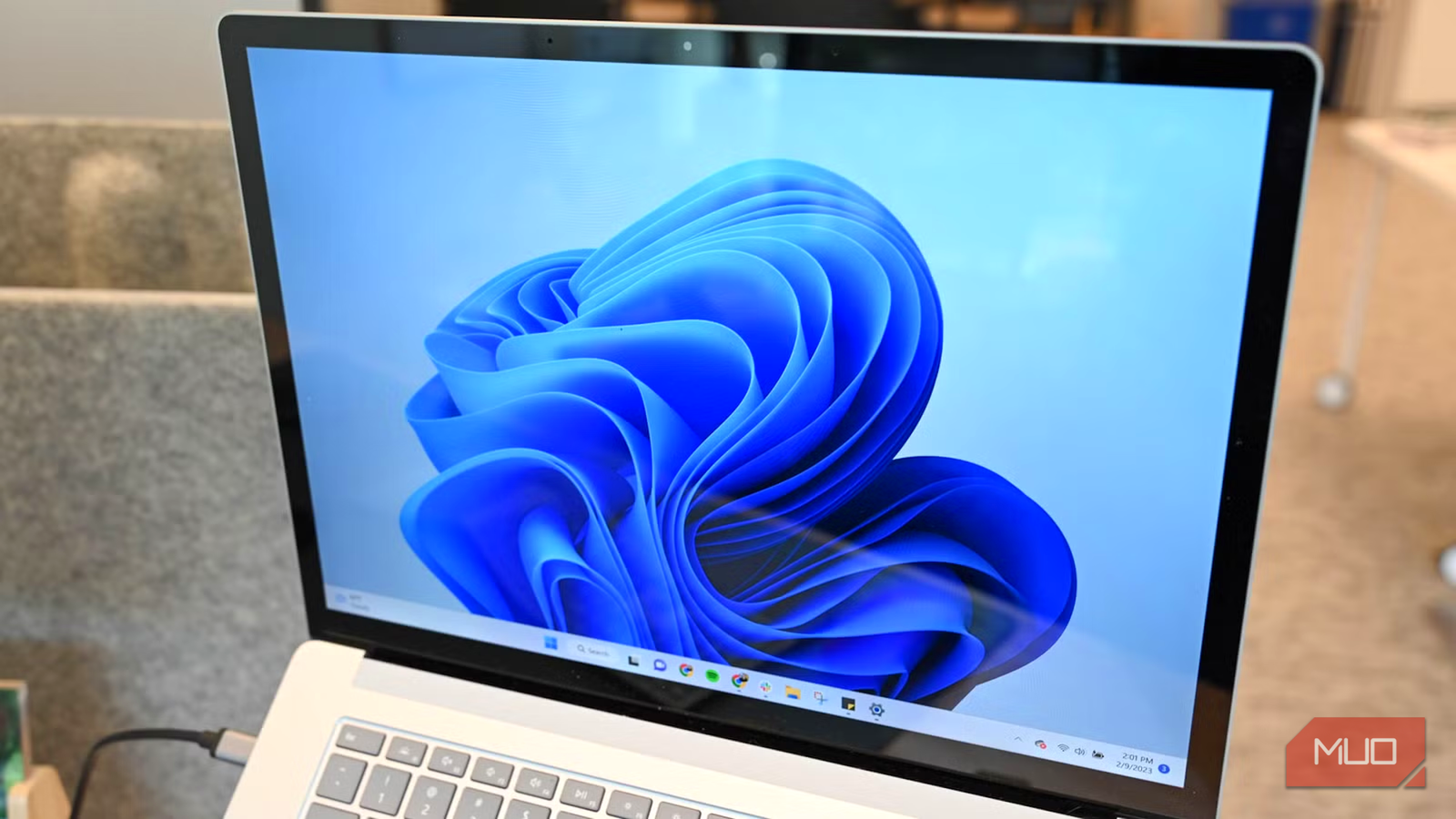
The Windows 11 Dilemma: A Seasoned outlook
Windows 11 arrived with promises of a revitalized computing experience. However, many users find themselves grappling with an operating system that feels more focused on chasing trends than addressing fundamental needs. Let’s explore the core issues and what they mean for you.
The Copilot Conundrum
So, how does one breathe new life into an operating system? Apparently, with the latest tech buzz – Artificial Intelligence. Microsoft’s Copilot AI is now deeply integrated into Windows 11, extending its reach to Microsoft 365 apps.
It’s becoming increasingly pervasive. Copilot initially appeared as a taskbar icon, regardless of your preference. Subsequently, the software was installed automatically. Now, Microsoft collaborates with hardware manufacturers like Intel and AMD to create “Copilot+” pcs, specifically engineered for AI functionality.
Even newer PCs may feature a dedicated copilot key, replacing the conventional Windows key. But this push feels less about user convenience and more about Microsoft staying relevant in a rapidly evolving tech landscape.
Many are frustrated with superfluous Windows 11 features while core functionalities remain unaddressed. It feels like adding layers to a foundation that’s already showing its age.
Windows 11: Not Entirely Without Merit
Despite the frustrations, Windows 11 isn’t a complete failure. It’s a robust and secure operating system, and Windows Security has evolved into a leading antivirus solution. It delivers solid performance across a wide range of devices and boasts a visually appealing interface – a significant improvement over Windows 10 and earlier versions.
However, the drawbacks are more noticeable than the benefits, and that’s the central challenge facing Windows 11 and Microsoft’s ongoing decisions. Ultimately, many users simply don’t want to use it. is that an unreasonable expectation?
A History of Promises
Microsoft once declared Windows 10 as “the last version of Windows.” this statement preceded the release of Windows 11 just a few years later.
If Microsoft maintains its current cadence, we can anticipate news about Windows 12 in 2026, with a potential launch later that year. This is speculative, but not entirely far-fetched.
Key Areas for Improvement
Here’s a breakdown of where Windows 11 needs to focus its efforts:
* Stability and Performance: Address lingering bugs and optimize resource management for smoother operation.
* Customization Options: Provide greater versatility for users to tailor the interface to their preferences.
* Core Feature Refinement: Prioritize improvements to essential functionalities over adding new, potentially unnecessary features.
* User Control: Allow users to opt-out of features like Copilot without workarounds or third-party tools.
* Clarity: Clearly communicate the purpose and benefits of new features to build user trust.
Looking Ahead
Windows 11 has potential, but it needs to prioritize user needs over chasing the latest trends. A focus on stability, customization, and core functionality will be crucial for winning back the trust and enthusiasm of its user base. The future of Windows depends on Microsoft listening to its users and delivering an operating system that truly enhances their computing experience.