
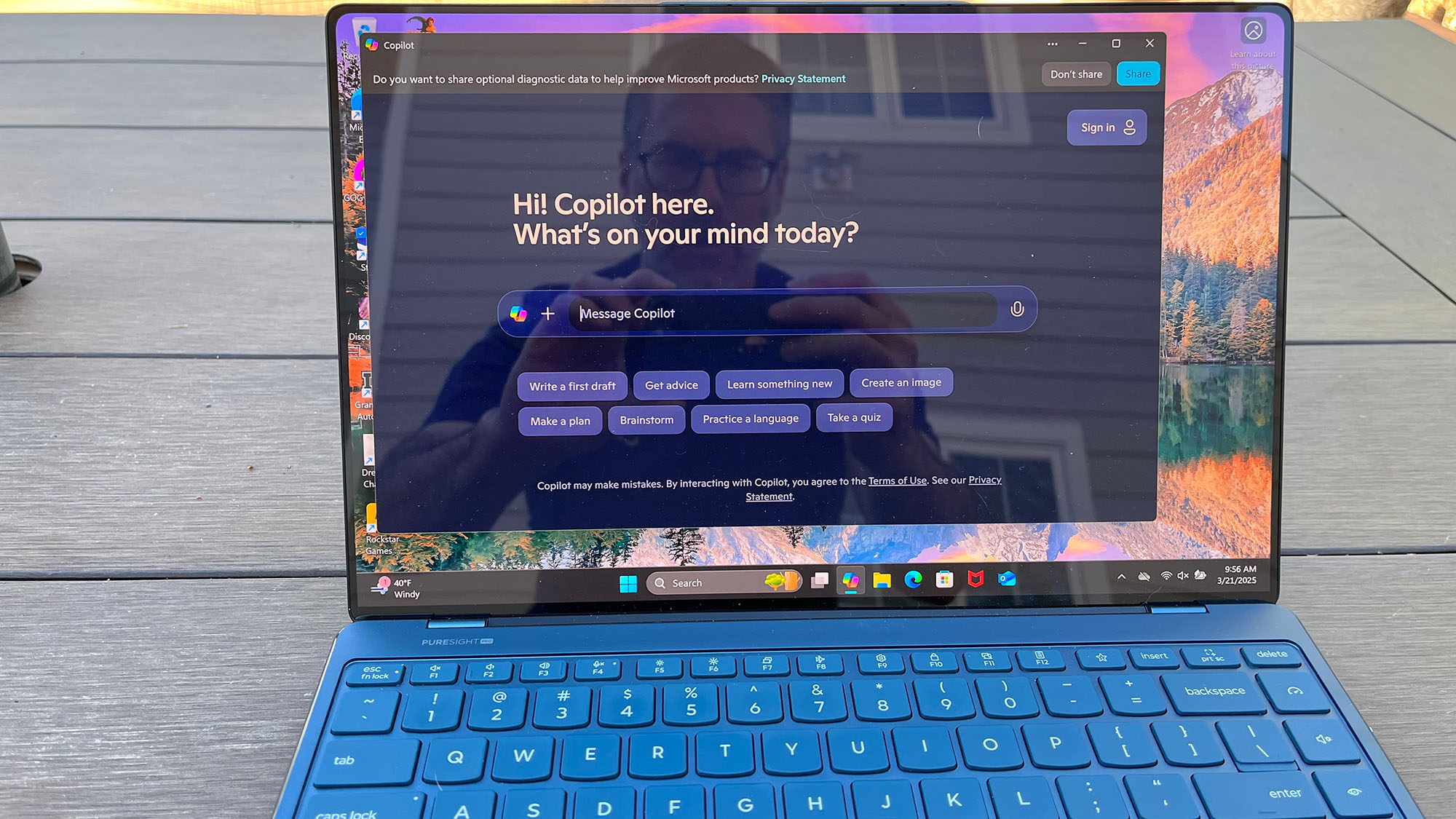
The Future of Windows: Beyond Windows 12, Towards an AI-Powered OS
The PC landscape is on the cusp of a meaningful shift, driven by the rapid advancement of artificial intelligence. With powerful Neural Processing Units (NPUs) appearing in upcoming desktop CPUs and the rise of Copilot+ laptops, AI is poised to become deeply integrated into how you use your computer. But what does this mean for the future of Windows itself?
Many speculate about “windows 12.” However,a more likely evolution,in my view,is a reimagining of Windows as an AI-powered operating system – perhaps “Windows AI” or “Windows Copilot.” Microsoft’s focus on AI is so intense, it feels like a natural progression.
The Promise and Reality of AI in Windows
Microsoft has been vocal about its AI ambitions. Initial demonstrations of Copilot in Windows 11 showcased the potential for AI to intelligently adjust system settings based on simple user prompts – like optimizing for productivity. While that level of seamless integration hasn’t fully materialized yet, the groundwork is being laid.
It’s vital to temper excitement with realism. Promises of revolutionary AI features are common,but delivering on those promises is a different story. we need to see consistent, reliable performance before declaring a paradigm shift.
What to Expect by 2030 – and Beyond
Looking ahead to 2030, a complete overhaul of the Windows experience feels enterprising. However, several key areas are likely to see significant AI-driven improvements:
Voice Control: Expect voice commands to become increasingly sophisticated and integral to the Windows experience. Microsoft is already enhancing voice capabilities within Windows 11, particularly on Snapdragon-powered Copilot PCs.
Intelligent Automation: AI will likely handle more complex tasks, potentially automating system adjustments and streamlining workflows. Imagine AI proactively optimizing your PC for specific applications or tasks. Enhanced Settings Management: The long-standing battle to retire the legacy Control Panel may finally be won. AI could simplify settings management, making it more intuitive and user-friendly.
Sophisticated AI Assistance: AI will likely move beyond basic tasks to offer more nuanced assistance, learning your preferences and anticipating your needs.
A Gradual Evolution, Not a Revolution
While a future where you interact with Windows primarily through voice commands is plausible, a complete return to a command-line interface – reminiscent of DOS – seems unlikely. The convenience of a graphical user interface (GUI) and conventional input methods like the mouse and keyboard are too deeply ingrained in the user experience.
Think of AI as an enhancement to the existing Windows experience, not a replacement. It will augment your capabilities, making your PC more responsive and adaptable to your needs.
The journey towards an AI-powered Windows will be iterative.Microsoft will likely roll out new features and capabilities gradually, refining them based on user feedback.
Ultimately, the future of Windows isn’t just about what it can do, but how it empowers you to do more. And while predicting the future is always a gamble, one thing is certain: AI will play a central role in shaping the next generation of the Windows experience.



![Elementary OS 8.1: Dock Improvements & Default Wayland | [Year] Update](https://i0.wp.com/static0.howtogeekimages.com/wordpress/wp-content/uploads/2025/12/elementary-os-logo.jpg?resize=330%2C220&ssl=1 "Elementary OS 8.1: Dock Improvements & Default Wayland | [Year] Update")


![Elementary OS 8.1: Dock Improvements & Default Wayland | [Year] Update](https://i0.wp.com/static0.howtogeekimages.com/wordpress/wp-content/uploads/2025/12/elementary-os-logo.jpg?resize=150%2C100&ssl=1 "Elementary OS 8.1: Dock Improvements & Default Wayland | [Year] Update")
