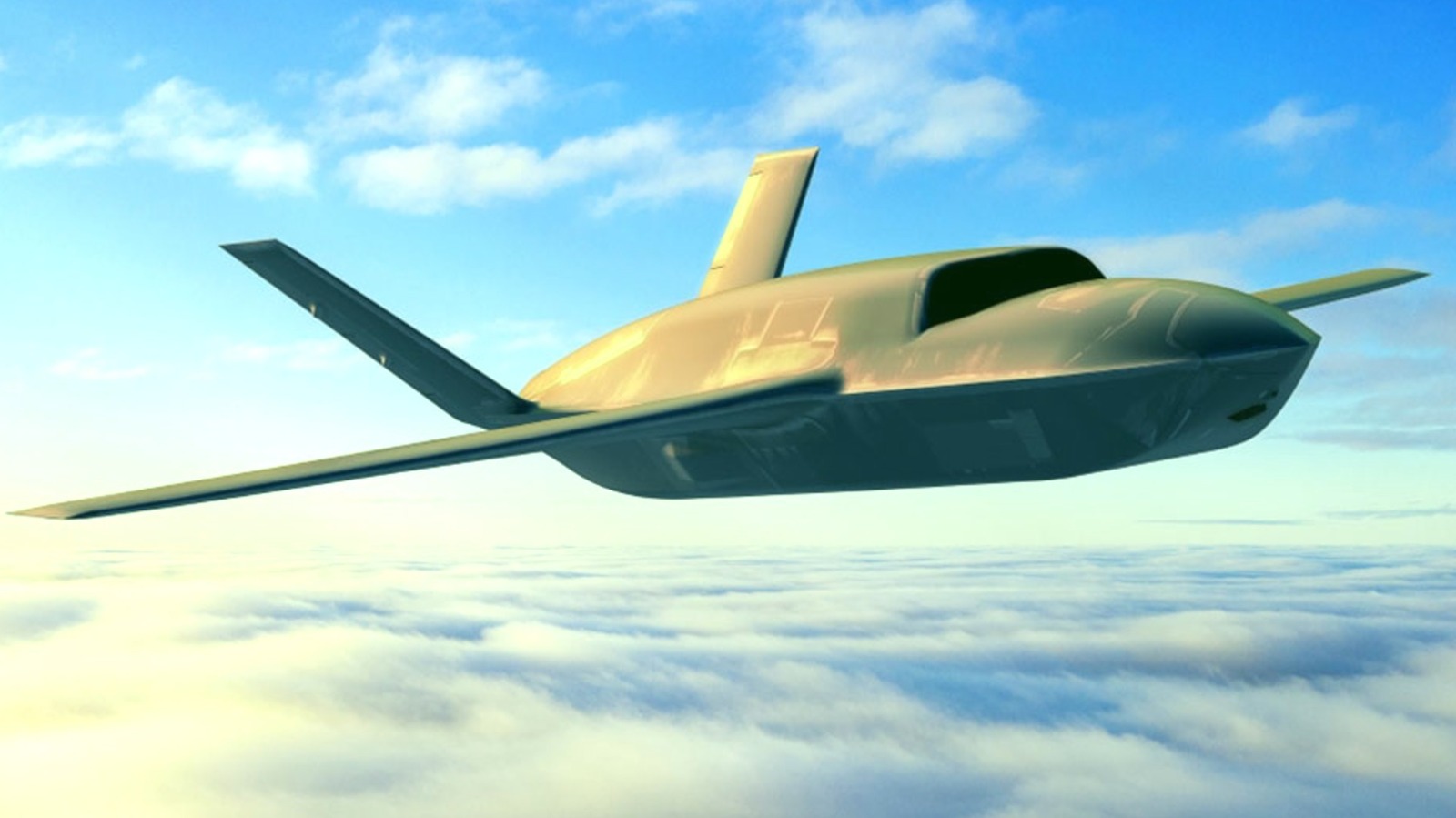
The Rise of Collaborative Combat Aircraft: Redefining the Future of Air Warfare
The landscape of aerial combat is undergoing a dramatic shift. Collaborative Combat Aircraft (CCAs)-fighter drones designed to operate with crewed fighters-are no longer a futuristic concept, but a rapidly developing reality.These unmanned systems promise to fundamentally alter how air superiority is achieved and maintained, prioritizing pilot safety and mission effectiveness.
A New Paradigm: Protecting the Pilot
Traditionally, pilots have faced immense risk in contested airspace. Now, CCAs are poised to change that. They’re designed to fly ahead of manned aircraft, proactively engaging threats like enemy fighters and air defense systems. This allows your crewed fighters to arrive on scene and execute their primary missions – delivering payloads or conducting critical operations – with substantially reduced exposure.
think of it as a layered defense, where expendable assets clear the path for your moast valuable resource: the pilot.
Designed for Action, Not Longevity
Unlike long-endurance drones like the MQ-1 Predator or MQ-9 Reaper, CCAs aren’t necessarily built for decades of service.They are intentionally designed with limited lifespans and minimal maintenance requirements. This approach acknowledges their role as forward-deployed, risk-taking elements. Their expendability is a feature, not a bug, allowing for aggressive tactics without the same concerns surrounding the loss of a piloted aircraft.Current Progress & Key Players
Currently, two primary contenders are leading the charge in CCA development:
General Atomics YFQ-42: This platform is undergoing rigorous testing and refinement. Anduril YFQ-44A: Anduril has partnered with Germany’s Rheinmetall to co-produce this aircraft, signaling international interest in this technology.
It’s crucial to note that detailed specifications regarding capabilities, weaponry, and sensors remain largely confidential as of mid-2025. However, several key design considerations are emerging.
Matching the Performance of Fifth & Sixth-Generation Fighters
To effectively operate alongside advanced fighters like the F-35, CCAs must possess comparable speed and range. the F-35A, for example, boasts:
Cruising Speed: Mach 0.86 (approximately 660 mph)
Maximum Speed: Mach 1.6 (approximately 1,200 mph)
Range: 1,381 miles
Thus, you can expect CCAs to aim for similar performance metrics. They will likely be equipped with air-to-air missiles for engaging airborne threats, and perhaps air-to-ground missiles for striking surface targets.
Sensor Suite: seeing the Unseen
Analysis of the CCA designs suggests a focus on advanced situational awareness. Military observers believe these aircraft will incorporate:
Forward-Facing Camera Systems: Providing high-resolution visual data.
* Infrared Search and Track (IRST) Sensors: crucially, IRSTs are designed to detect and track stealthy aircraft, enhancing the CCA’s air-to-air support capabilities.
The Future of Wingman Tactics
The optimal number of CCAs accompanying a single fighter remains to be determined. However, the concept of “loyal wingman” drones is gaining traction. These unmanned systems will act as force multipliers, extending the reach and effectiveness of your piloted aircraft.
Ultimately, the development of Collaborative Combat Aircraft represents a pivotal moment in air warfare. It’s a move towards a more distributed,resilient,and technologically advanced approach to maintaining air superiority – and it’s a future that is rapidly approaching.