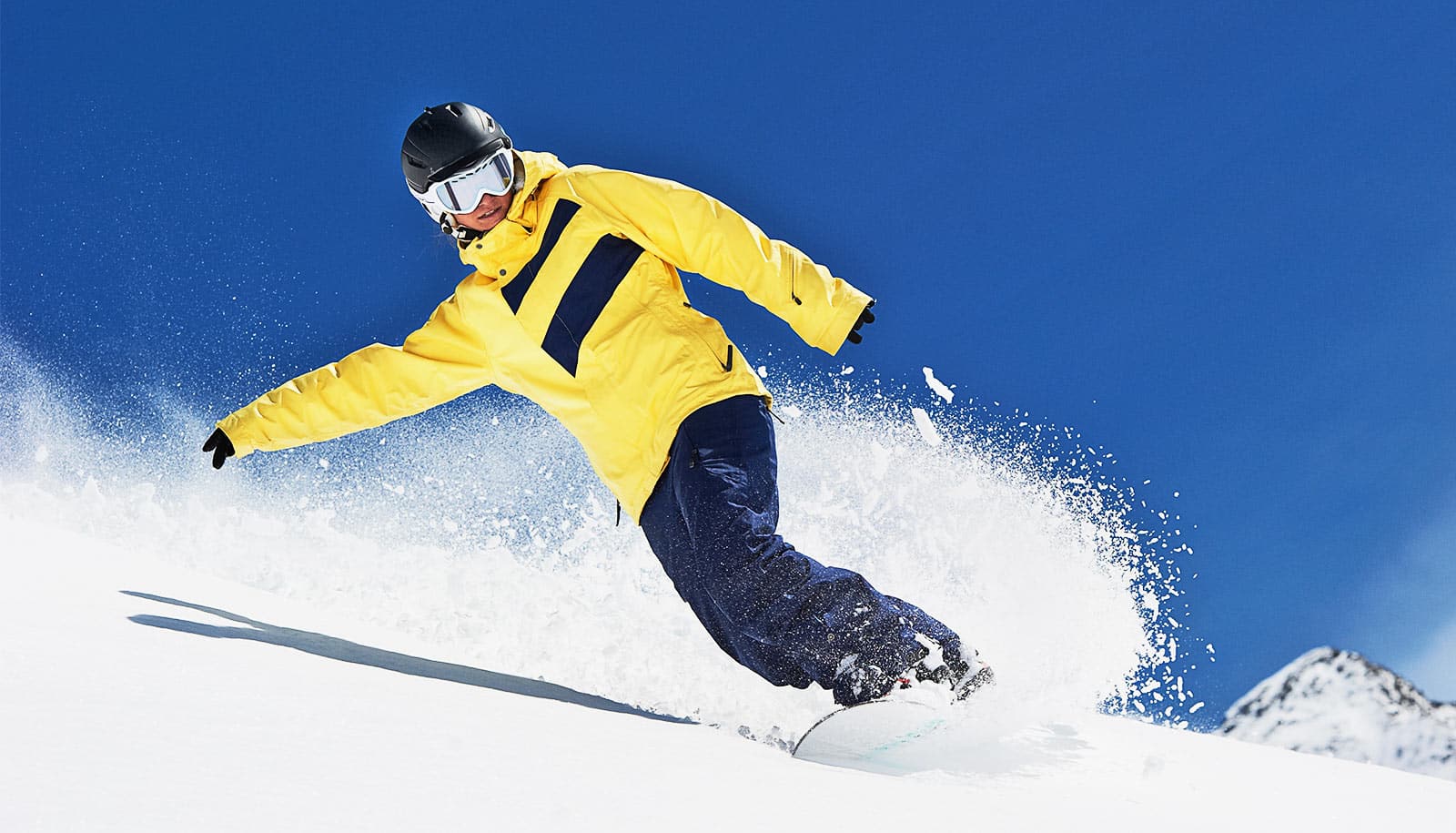
Staying Safe & Strong: A Guide to Injury Prevention in Cold Weather Sports
Winter offers exhilarating opportunities for outdoor activity, from skiing and snowboarding to cross-country skiing and even a fun day of sledding. But the cold introduces unique challenges to your body, increasing the risk of injury if you’re not properly prepared. As a physical therapist specializing in winter sports, I’ve seen firsthand the impact of both proactive readiness and reactive recovery. This guide will equip you with the knowledge to enjoy the season safely and return home feeling strong, not sidelined.
Understanding the Cold Weather Challenge
the biggest hurdle in cold weather sports isn’t just the snow or ice – it’s maintaining optimal body temperature. Your muscles are less pliable when cold,making them more susceptible to strains and tears. Keeping your core warm and muscles activated is paramount.
Hear’s how to prime your body for success:
* Dynamic Warm-up: Before hitting the slopes, incorporate leg swings, squats, and light cardio like jumping jacks.this increases blood flow and prepares your muscles for exertion.
* Layer Up: Proper clothing isn’t just about comfort; it’s about maintaining core temperature and muscle function.
* Listen to Your body: Pay attention to signals of cold or fatigue. Don’t push through discomfort.
Know Your Body: A Personalized Approach
Whether you’re a seasoned athlete or a casual winter enthusiast, understanding your individual needs is crucial. Ask yourself these questions:
* Training Level: Have you been consistently training for this activity?
* recent Activity: Is this your first exercise session in a while?
* Past Injuries: do you have any pre-existing conditions that might flare up?
If you’ve been inactive, prioritize extra dynamic stretching and warm-ups. Muscles need time to adapt to exertion.
Age and Gender Considerations:
* Bone Density: As we age, bone density naturally decreases, increasing fracture risk.
* Female Anatomy: Women often have wider pelvises, creating a torque on the knees. This can increase the risk of ACL tears, a common injury in skiing. Ensure your equipment fits properly and consider targeted strengthening exercises.
Don’t Overdo It: Gradual Progression is Key
It’s tempting to jump right in, but respecting your current skill level is vital.
* Start Slow: If you’re comfortable on beginner slopes, don’t attempt black diamonds.
* Take a Lesson: A qualified instructor can provide valuable technique guidance and help you progress safely.
* Cross-Training: Don’t limit yourself to one activity. Incorporate diverse exercises to build overall strength and resilience.
The Power of Rest & Recovery
Many athletes believe more is always better, but this is a misconception. Your body needs rest to repair and rebuild.
* Prioritize Sleep: Sleep is when your body actively heals from the day’s stresses. Aim for 7-9 hours of quality sleep each night.
* Rest Days: Avoid training or working out seven days a week. Allow your body dedicated recovery time.
* Listen to Pain: Ignoring pain can lead to chronic injuries.
Injury? Seek Expert Guidance
If you do experience an injury, patience is paramount.
* Don’t Push It: Avoid activities that exacerbate your pain. Allow tissues to heal properly.
* Physical Therapy: A physical therapist can assess your injury, develop a personalized recovery plan, and guide you back to activity safely. Thay can help you regain not just function, but also strength and stability.
* Optimized Recovery: A skilled physical therapist can optimize your recovery, ensuring you return to the slopes stronger then before.
Proactive mobility work is also incredibly beneficial:
* Yoga & Stretching: Regular yoga or stretching increases flexibility and balance, improving your body’s ability to move freely.
* Counteract Muscle Tension: Cold temperatures cause muscles to tense up, increasing injury risk. Mobility exercises help counteract this effect.
By prioritizing preparation, listening to your body, and seeking expert guidance when needed, you can maximize your enjoyment of winter sports and minimize your risk of injury. Remember, a proactive approach is the best defense against a sidelined season.
*Source:
![Tigers in the DR: World Baseball Classic Training Camp | [Year] Updates](https://a3.espncdn.com/combiner/i?img=%2Fphoto%2F2020%2F0501%2Fr694543_1296x729_16%2D9.jpg "Tigers in the DR: World Baseball Classic Training Camp | [Year] Updates")