
For decades, the call letters “WKRP” have been synonymous with comedic chaos, misguided management, and the golden era of Top 40 radio in the imagination of millions. To fans of classic television, those letters evoke images of the struggling AM station in Ohio where Dr. Johnny Fever and Andy Travis fought the fine fight against the predictability of the airwaves. Now, the fictional is becoming a reality: WKRP is coming to Cincinnati for the first time in history.
In a development that blends pop culture nostalgia with modern broadcasting, the owners of a low-power station in North Carolina have reached an agreement to bring the iconic call sign to the “Queen City.” While the sitcom WKRP in Cincinnati aired on CBS from 1978 to 1982, no actual radio station in the Cincinnati market ever operated under those specific call letters during or after the show’s run.
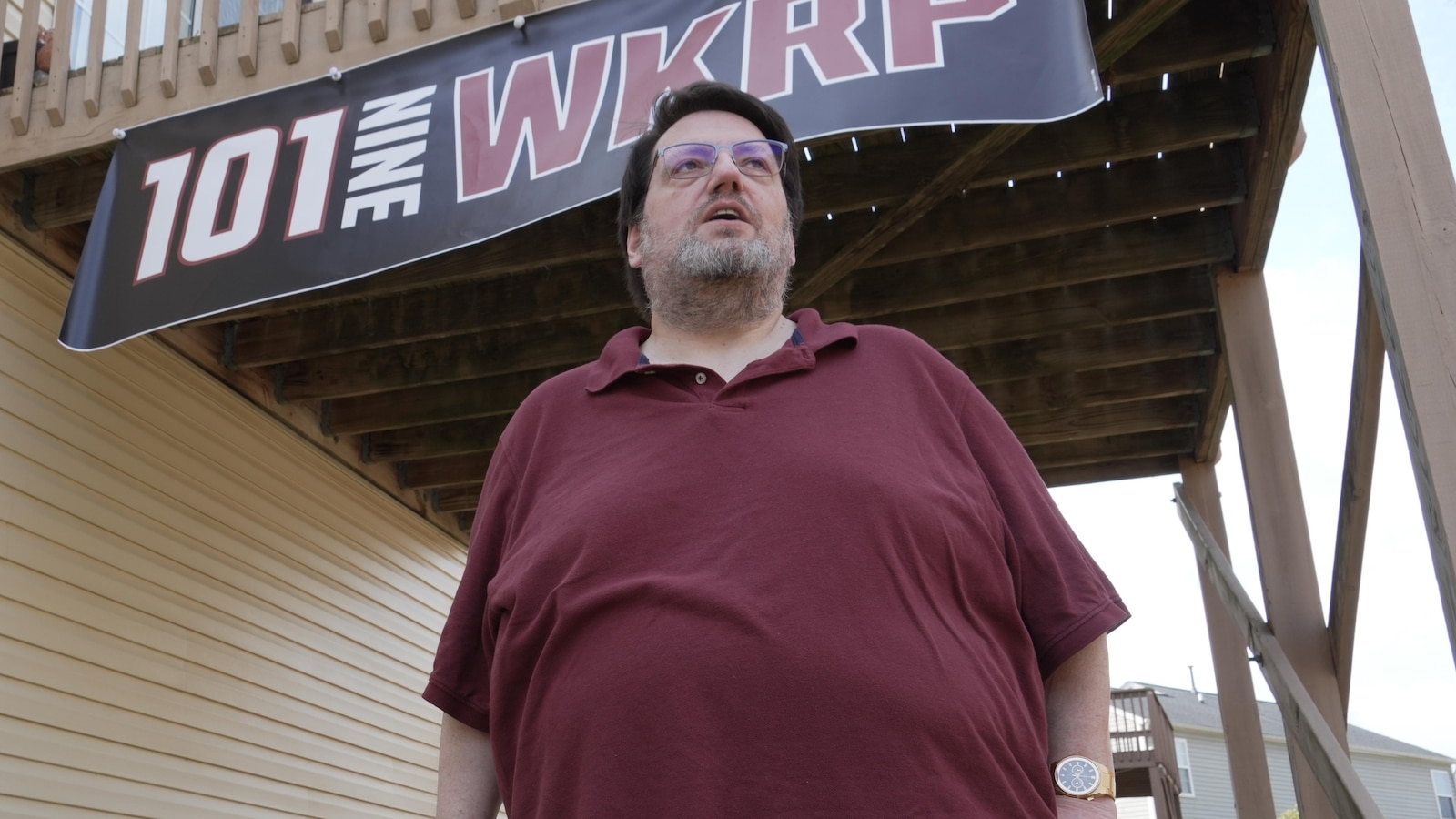
The move is being orchestrated by Oak City Media, a 501(c)(3) nonprofit organization that currently operates 101.9 WKRP-LPFM in Raleigh, North Carolina. D.P. McIntire, the executive director and general manager of the Raleigh station, confirmed that an agreement in principle has been reached with a local Cincinnati broadcaster to utilize the famous call letters within the Greater Cincinnati area according to reporting from WVXU.
From Script to Signal: The Legacy of WKRP
The original WKRP in Cincinnati was more than just a sitcom; it was a sharp satire of the radio industry. Created by Hugh Wilson, the series was rooted in Wilson’s own real-world observations while spending time at WQXI, a Top 40 station in Atlanta. Many of the show’s eccentric characters were inspired by the actual personalities Wilson encountered in the Atlanta radio scene.

The ensemble cast brought to life a vivid workplace dynamic that resonated globally. The series featured Gary Sandy as the optimistic station manager Andy Travis, Howard Hesseman as the cynical Dr. Johnny Fever, Gordon Jump as the bumbling Arthur Carlson, and Loni Anderson as the sophisticated Jennifer Marlowe. Supporting roles were filled by Tim Reid as Venus Flytrap, Jan Smithers as Bailey Quarters, Richard Sanders as Les Nessman, and Frank Bonner as Herb Tarlek.
Beyond the laughter, the show was a critical success, earning 10 Emmy Award nominations, including three for Outstanding Comedy Series, and winning a Humanitas Prize. One of the more enduring pieces of trivia regarding the show is the origin of the call letters themselves; Hugh Wilson once noted that he selected “WKRP” as a playful acronym for “C-R-A-P.”
The Logistics of the “Homecoming”
The transition of the call letters to Ohio is the result of a strategic effort by Oak City Media. Following reports in February 2026 regarding the nonprofit’s intention to auction off the call letters by April 30, McIntire received numerous inquiries from broadcasters both within and outside of the Cincinnati market.
While the specific identity of the Cincinnati broadcaster remains confidential for the time being, McIntire expressed satisfaction that the call sign is “at least partially coming home to where it belongs.” This marks a significant milestone, as the fictional nature of the original station had persisted for 48 years since the show’s 1978 premiere.
This proves important to distinguish this move from previous attempts to use the branding. In 2008, WBQC-TV (Channel 25) rebranded its low-power television station as “WKRP TV.” However, that was a television branding exercise and did not involve the official FCC radio call letters that are now migrating to the market.
Key Details of the WKRP Transition
| Feature | Sitcom (1978–1982) | Real-World Arrival (2026) |
|---|---|---|
| Nature | Fictional AM Radio Station | Actual Radio Call Letters |
| Location | Cincinnati, Ohio (Fictional) | Greater Cincinnati (Real) |
| Origin | Created by Hugh Wilson | Transferred from Oak City Media (NC) |
| Current Status | Television Classic | Agreement in principle reached |
What This Means for the Cincinnati Market
The arrival of the WKRP call letters is as much a marketing masterstroke as it is a tribute to television history. In a fragmented media landscape, the use of a “legacy” brand—even one that originated in fiction—provides an immediate point of recognition and emotional connection with a broad demographic of listeners.
For the Cincinnati community, it transforms a piece of cultural heritage into a tangible local asset. While the original show depicted a “struggling” station, the real-world application of these letters is likely to generate significant curiosity and listener engagement from the moment the station officially goes live.
For those interested in the development, the next confirmed checkpoint is the finalization of the agreement and the subsequent announcement of which specific Cincinnati broadcaster will be hosting the call letters. D.P. McIntire has indicated that further details will be disclosed once permission is granted by the partner station.
Do you have memories of the original WKRP series, or are you excited to see these call letters finally hit the airwaves in the Queen City? Share your thoughts in the comments below.