
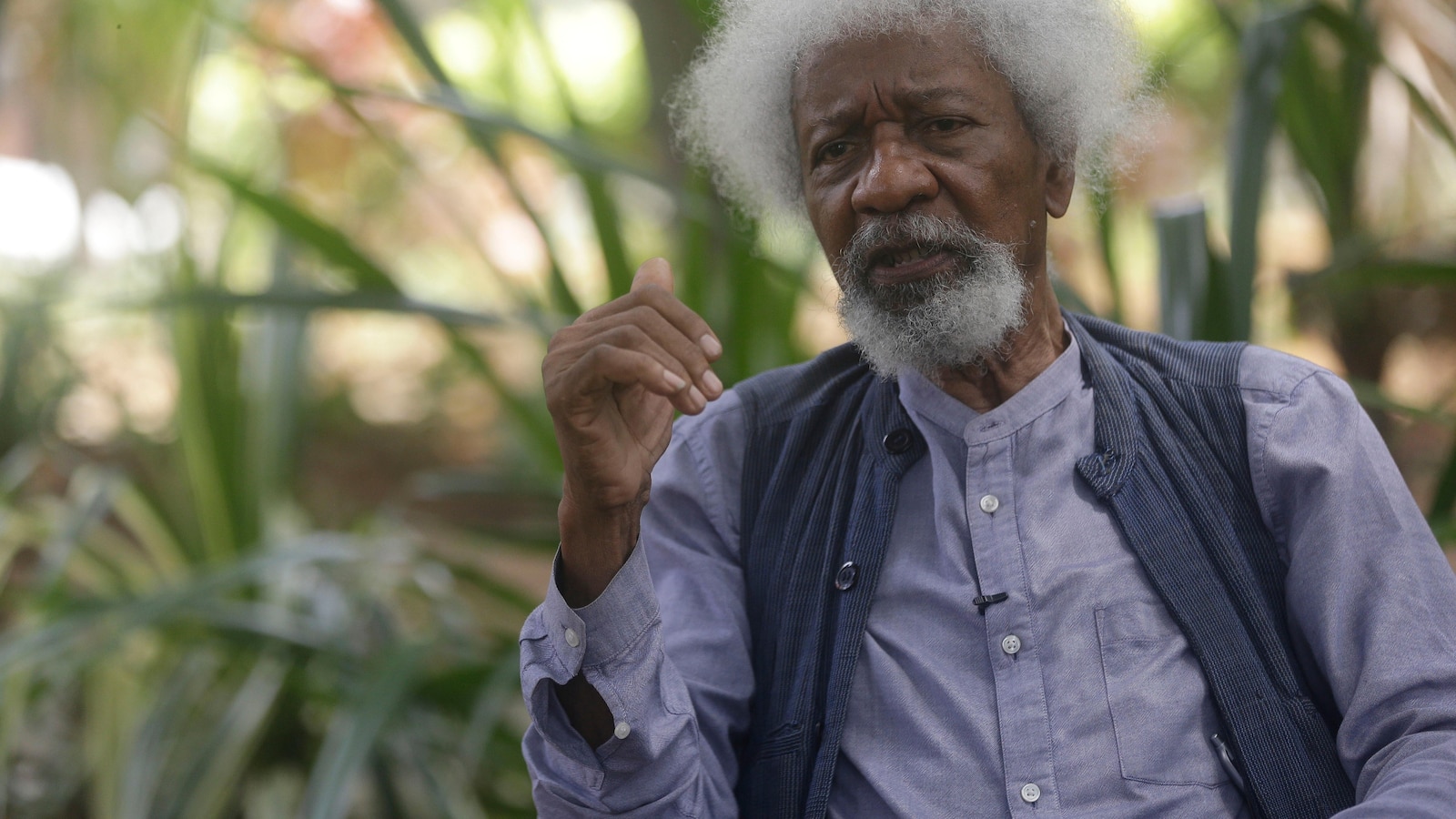
Nobel Laureate Soyinka Faces U.S. Visa Block, Cites Political Criticism
Renowned Nigerian author and Nobel Prize winner Wole Soyinka recently revealed his non-resident visa to enter the United States was denied.this surprising growth has sparked discussion about the intersection of political expression and international travel.
Soyinka, who earned the Nobel Prize in Literature in 1986 - a historic first for an African – addressed the situation publicly on Tuesday. He suspects the visa rejection stems from his outspoken critiques of former U.S. president Donald Trump.
While acknowledging the possibility of broader immigration policy shifts,Soyinka believes his case isn’t isolated. He was informed he could reapply, but expressed little interest in doing so. “ItS not about me personally,” he stated,”but a matter of principle – all people deserve respectful treatment.”
A History of Protest & U.S. Ties
This isn’t the first time Soyinka has publicly demonstrated his disapproval of U.S. political leadership. Years ago, he dramatically discarded his U.S. green card as a protest against Trump’s inauguration. He playfully recounted that his green card had a rather unfortunate “accident” involving a pair of scissors some eight years prior.
The official reason cited for the visa revocation was the emergence of ”additional facts” after the visa’s initial issuance. However, the letter provided no specifics regarding this information.
Soyinka connects this vague description to his recent comparison of trump to Idi Amin, the former Ugandan dictator. He believes this pointed commentary may have contributed to the decision.
What Does This Mean for Travelers & Free speech?
This situation raises crucial questions about the potential for political views to impact international travel. Here’s a breakdown of key considerations:
* Visa revocations are not uncommon. Governments retain the right to deny or revoke visas based on a variety of factors.
* Freedom of speech is a complex issue. While protected in many countries, it doesn’t guarantee freedom from consequences, including travel restrictions.
* Transparency is crucial. The lack of specific reasoning in Soyinka’s case fuels speculation and raises concerns about due process.
Currently, the U.S. Consulate in Lagos has deferred all inquiries to the State Department in Washington,D.C., which has yet to issue a comment.
Despite the setback, Soyinka remains resolute. He jokingly referred to the notification as a “love letter” and affirmed he won’t be seeking another visa. “I have no visa,” he declared, “I am banned, obviously, from the United States, and if you want to see me, you know where to find me.”
Ultimately, this incident serves as a reminder of the delicate balance between national security, diplomatic relations, and the right to express one’s opinions freely. It also highlights the potential for political commentary to have real-world consequences, even for those of the highest international acclaim.


