
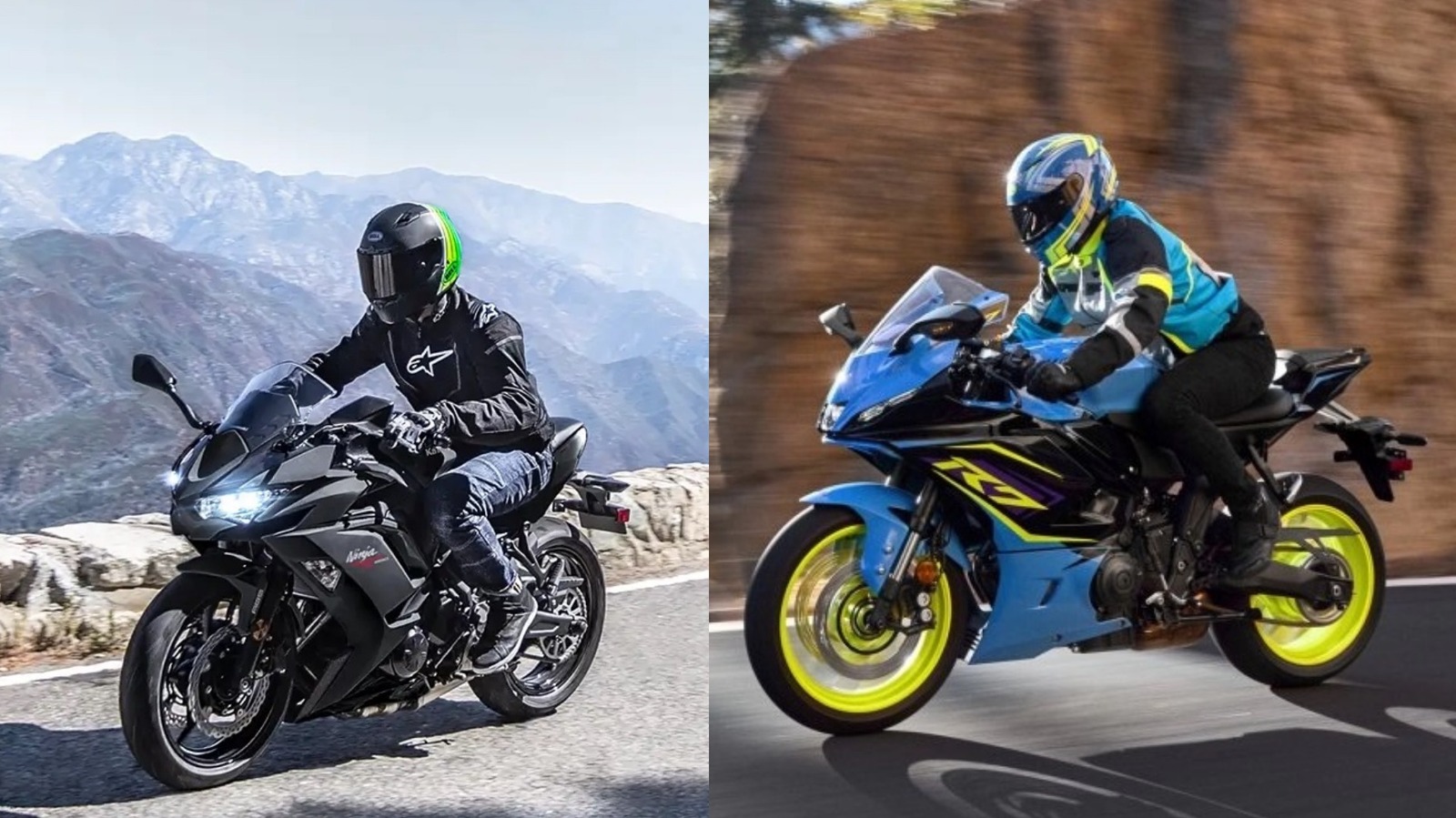
Kawasaki Ninja 650 vs.Yamaha R7: Which Sportbike is Right for you?
Choosing between sportbikes can be tough, especially when two strong contenders like the Kawasaki Ninja 650 adn Yamaha R7 are in the mix.Both offer exciting performance and sleek styling, but cater to slightly different riders and priorities. this extensive guide breaks down the key differences to help you make the best decision for your needs.
performance & Handling: A Closer Look
The Yamaha R7 generally boasts a performance edge, but the Ninja 650 isn’t far behind. While precise acceleration figures aren’t directly comparable, the R7’s engine delivers a more spirited ride. However, the difference isn’t massive, and the ninja 650 provides plenty of power for both commuting and weekend fun.
Handling also differs subtly. The Yamaha R7 features a wider 180mm rear tire (compared to the ninja 650’s 160mm), which typically translates to increased grip and higher cornering limits. you’ll likely notice this advantage if you’re an experienced rider pushing the bike to its potential.
Fuel Efficiency & practicality: Everyday Rideability
For many riders, everyday usability is just as crucial as outright performance. The Yamaha R7 achieves an notable 59 mpg,but the Kawasaki Ninja 650 is close behind,with riders reporting similar real-world fuel economy.
Kawasaki also wins in fuel tank capacity,offering 4.0 gallons versus the Yamaha’s 3.7 gallons. This means you can go a bit longer between fill-ups with the Ninja 650.
Moreover, if you’re a shorter rider, the Ninja 650 is the more accessible choice. Its 31.1-inch seat height is noticeably lower than the R7’s 32.7-inch height, making it easier to flat-foot at stops.
Braking & Transmission: shared Foundations
Both bikes deliver confident stopping power with dual front brake discs of nearly identical size. You’ll find similar braking performance between the two.
Both the Ninja 650 and R7 utilize six-speed manual transmissions equipped with assist and slipper clutches. These clutches lighten the lever pull and help prevent rear-wheel hop during aggressive downshifts.
Price & Features: Where the Divide Widens
The price difference is important. The 2026 Kawasaki Ninja 650 starts at $8,284 (including destination), while the 2026 Yamaha R7 begins at $10,074 (also including destination). The R7 comes standard with ABS, while it’s an optional upgrade on the Ninja 650, adding another $600 to its price.
While the R7 offers modern styling and integrated turn signals, the biggest justification for the price jump lies in its suspension.
* Kawasaki Ninja 650: Features a basic, non-adjustable front suspension and rear suspension with only preload adjustment.
* Yamaha R7: Boasts fully adjustable front and rear suspension, allowing you to fine-tune preload, rebound, and compression damping.
This adjustability is a major benefit for riders who prioritize performance and comfort,especially those who frequently ride aggressively or carry a passenger.
Which Bike Should You Choose?
Ultimately, the best choice depends on your riding style and budget.
* Choose the Kawasaki Ninja 650 if:
* You’re looking for a more affordable option.
* You prioritize practicality and ease of use.
* You’re a shorter rider.
* You primarily commute or enjoy casual weekend rides.
* Choose the Yamaha R7 if:
* You’re willing to spend more for enhanced performance and features.
* You value a more aggressive riding experience.
* You appreciate fully adjustable suspension for optimal control.
* You plan to track days or ride spiritedly on winding roads.
Both the Ninja 650 and R7





