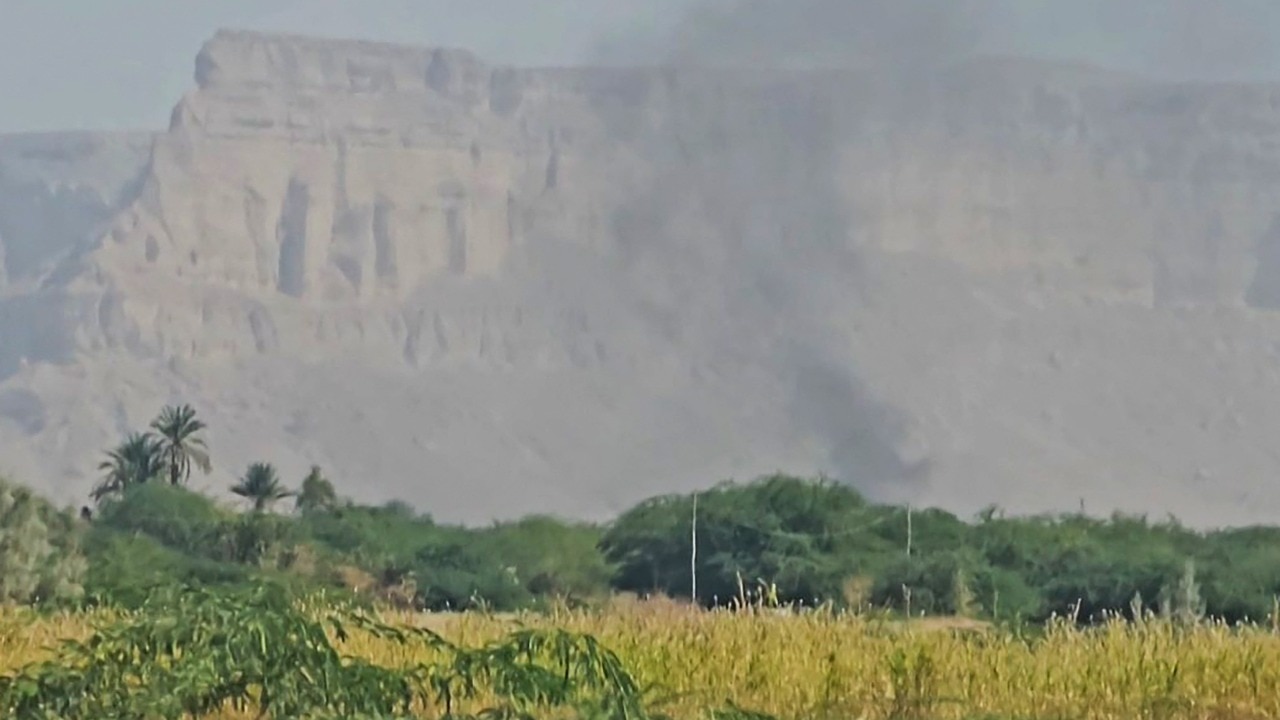
Yemen Conflict escalates as Saudi Arabia and UAE Clash Over Southern Control
Recent escalations in Yemen are highlighting a fracturing alliance between Saudi Arabia and the United Arab Emirates, raising concerns about the future of the war-torn nation. The conflict centers around control of southern Yemen, specifically the territories held by the Southern Transitional Council (STC). This isn’t simply a continuation of the existing civil war; it’s a power struggle within the anti-Houthi coalition,with perhaps important regional ramifications.
Understanding the Core Issues
For years, Saudi Arabia has led a coalition supporting the internationally recognized government of President Rashad al-Alimi against the Iranian-backed Houthi rebels. However, the UAE has together cultivated its own influence in southern Yemen, primarily through support for the STC – a group advocating for independence for South Yemen. This divergence in strategy has now boiled over into open confrontation.
Here’s a breakdown of the key players and their interests:
* Saudi Arabia: Prioritizes its own national security, viewing the STC’s expansion as a threat. They aim to maintain a unified Yemen,preventing instability along its southern border.
* United Arab Emirates: supports the STC, believing it represents a more effective force against both the Houthis and extremist groups. They’ve invested heavily in building up the STC’s military capabilities.
* Southern Transitional Council (STC): Seeks independence for South yemen, controlling much of the strategically important Hadramawt and Mahra governorates.
* Houthis: An Iranian-backed rebel group controlling much of northern Yemen, aiming to overthrow the government.
* Yemeni Government: The internationally recognized government, struggling to assert control amidst the competing interests of Saudi Arabia, the UAE, and the STC.
Recent Developments: A Timeline of Escalation
The current crisis reached a critical point in late December 2025, with a series of events rapidly unfolding:
* december 30, 2025: Saudi Arabia accused the UAE of supplying weapons to the STC, even bombing what Riyadh claimed were shipments of arms and armored vehicles destined for the group.
* UAE Response: Abu Dhabi vehemently denied the allegations, reaffirming its commitment to Saudi Arabia’s security and stability. They emphasized respect for Riyadh’s national security priorities.
* Yemeni Government Request: The Yemeni government formally requested the UAE’s withdrawal from the country.
* Saudi Offensive: Saudi-led coalition forces, alongside the national shield Forces, launched a campaign to regain control of military sites in Hadramawt from the STC. The stated goal is to compel the STC to withdraw from the two governorates.
* STC Counter-Accusations: The STC accused Saudi Arabia of utilizing “muslim Brotherhood and al-Qaida militias” in its offensive, drawing parallels to Yemen’s 1994 civil war.
* Mediation Attempts Blocked: Saudi Arabia’s ambassador to Yemen alleged that the STC blocked a Saudi mediation delegation from landing in Aden.
Why This Matters: Regional Implications
This escalating conflict isn’t just an internal Yemeni affair. It has broader implications for regional stability:
* Weakened Anti-Houthi Front: The division between Saudi Arabia and the UAE weakens the overall coalition fighting against the Houthis, potentially allowing the rebels to consolidate their power.
* Increased Iranian Influence: A fractured anti-Houthi front creates opportunities for Iran to expand its influence in Yemen.
* Humanitarian Crisis: continued fighting exacerbates the already dire humanitarian situation in Yemen, where millions are facing starvation and disease.
* Potential for Wider Conflict: The dispute could potentially draw in other regional actors, escalating the conflict beyond Yemen’s borders.
Looking Ahead: What to Expect
The situation remains highly volatile. While both saudi arabia and the UAE publicly express a desire to de-escalate, significant obstacles remain. A lasting resolution will require:
* Direct Dialog: Meaningful negotiations between Saudi Arabia and the UAE are crucial to address their conflicting interests.
* Inclusive Political process: A thorough political process involving all Yemeni factions,including the STC,is essential to achieve a enduring peace.
* Addressing Root Causes: Addressing the underlying grievances that fuel