The unspoken Etiquette of the Yoga Mat: Mindfulness Beyond the Pose
(Photo: Canva)
For over three decades,I’ve been a dedicated practitioner and teacher of yoga. Despite years of experience, one recurring observation consistently disrupts my inner peace – a seemingly minor infraction that highlights a larger point about mindfulness.It’s a subtle breach of etiquette, yet it speaks volumes about our presence, or lack thereof, on the mat.
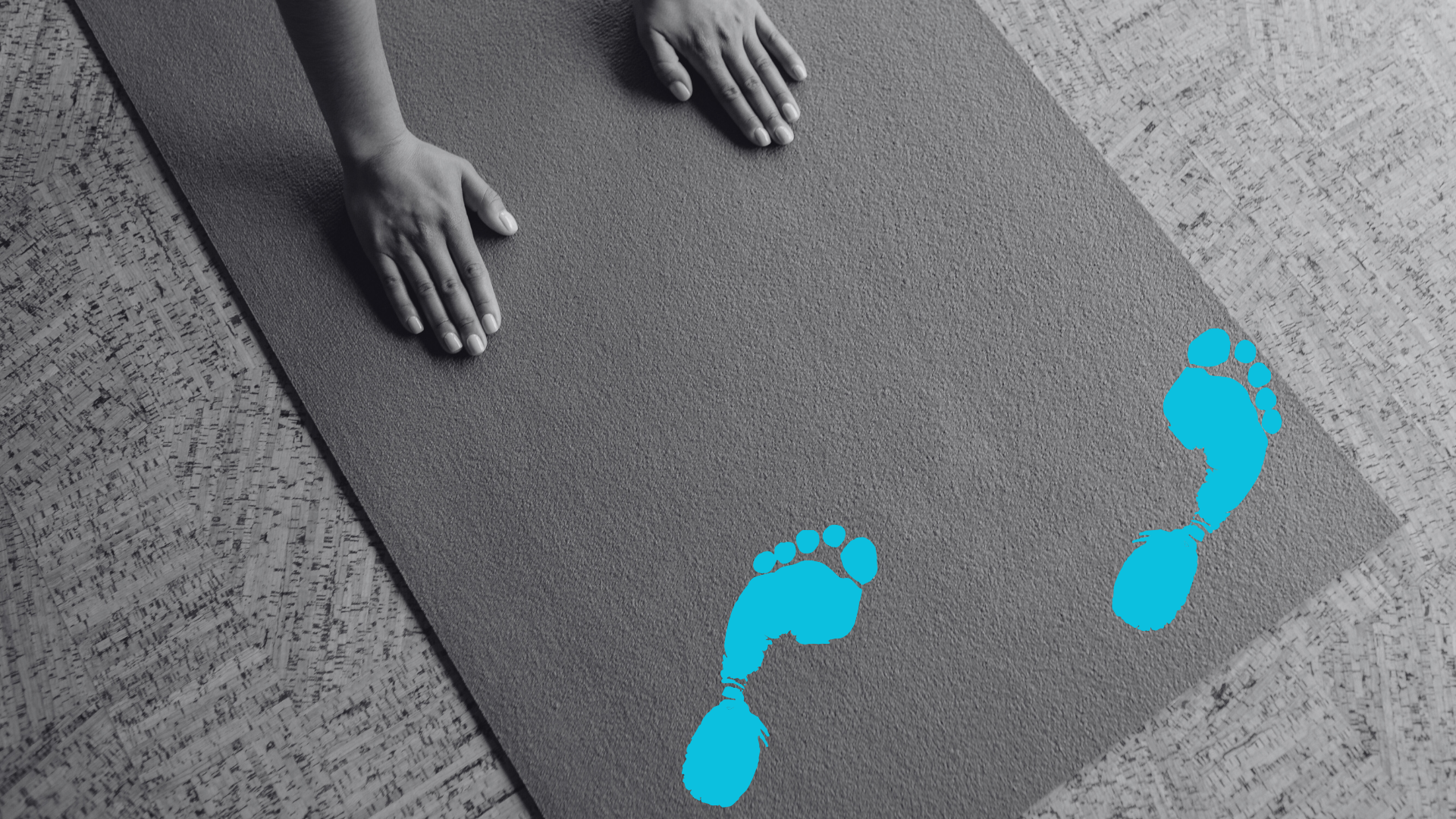
It’s the act of walking on another person’s yoga mat.
While often unintentional and rarely causing overt offense, this common occurrence bothers me deeply. It’s not about hygiene, though the thought of bare feet crossing a space meant for face-down poses isn’t ideal. the issue lies in the dissonance between the practice of yoga and this seemingly thoughtless act.
Why Does It Matter?
Yoga, at its core, is about mindful movement and intentionality.The Sanskrit term vinyasa itself translates to ”to place with consideration.” This principle extends beyond the alignment of asanas; it should permeate how we navigate the entire practice space.
walking across someone else’s mat feels like a direct contradiction of this principle. It’s a subtle disregard for personal space and a missed chance to cultivate awareness.
* it demonstrates a lack of present moment awareness.
* It subtly undermines the respectful atmosphere of a yoga class.
* It highlights how easily we can operate on autopilot, even in a dedicated space for mindfulness.
The Bigger Picture: Cultivating Presence
I understand that life is busy. Students are often juggling demanding schedules just to get to class. Bringing up this minor infraction feels disproportionate to the challenges they might potentially be facing. Though, I believe it serves as a potent micro-moment for reflection.
Each time I witness this, I’m reminded of the constant work required to cultivate presence. It’s a gentle nudge to myself, and perhaps to others, to slow down and become more conscious of our actions.
Consider this: how different would our experience be if we entered the studio – and moved throughout the practice – with a heightened sense of awareness? What if we consciously chose where to place our feet, respecting the boundaries of others and our own inner space?
Beyond the Mat: Applying Mindfulness
The lesson extends far beyond the yoga studio. This simple act of respecting another’s space mirrors how we interact with the world.It’s about extending compassion and consideration to those around us.
* Respecting Boundaries: Recognizing and honoring the physical and emotional boundaries of others.
* Intentional Movement: Approaching all actions with awareness and purpose.
* Cultivating Presence: Bringing your full attention to the present moment, rather than operating on autopilot.
Evergreen Insights: The Ripple Effect of Mindfulness
Mindfulness isn’t just about what happens on the mat; it’s about integrating that awareness into every aspect of life. By cultivating presence in small moments – like choosing where to step – we strengthen our ability to navigate larger challenges with grace and equanimity. This practice fosters a more compassionate and considerate world, one mindful step at a time.
Frequently Asked Questions
Q: Is it really that big of a deal to walk on someone’s yoga mat?
A: While not a major offense, it represents a lapse in mindfulness and a disregard for personal space, contradicting the core principles of yoga.
Q: What should I do if I accidentally walk on someone’s mat?
A: A simple apology is sufficient. Acknowledging the unintentional act demonstrates respect and awareness.
Q: How can I become more mindful of my movements in yoga class?
A: Before class begins, take a moment to scan the space and be aware of your surroundings.Throughout the practice, consciously choose where you place your feet.
Q: Does this apply to all types of yoga classes?
A: Yes, the principle of respecting personal space and moving with intention applies to all styles of yoga.
Q: What if the studio is very crowded and it’s unavoidable?
A: In crowded situations,unintentional contact is more likely. Focus on being as mindful as possible and offering a rapid apology if necessary.
Q: How can teachers address this issue without creating awkwardness?
A: Teachers can gently remind students to be mindful of their surroundings and respectful of personal space during class introductions or transitions.
Q: Is this a cultural thing, or is it worldwide?
A