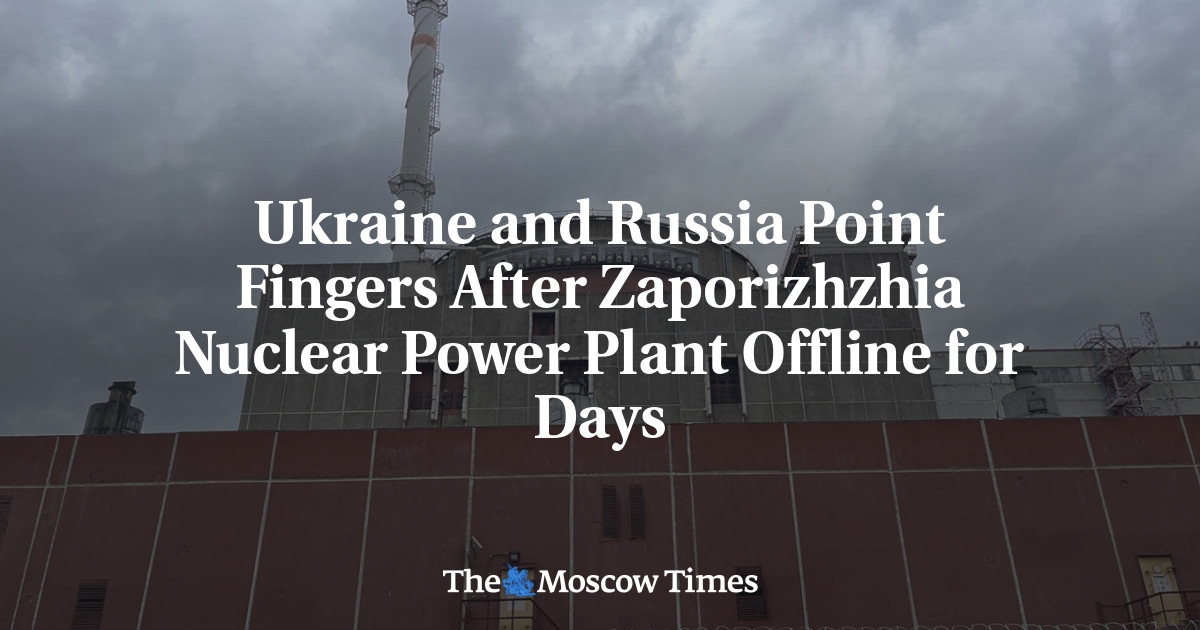
Zaporizhzhia Nuclear Plant: Prolonged Power Outage Raises Alarm
The Russian-occupied Zaporizhzhia Nuclear Power Plant (NPP) is facing its longest blackout in history, entering its fourth day without external power as of September 27, 2025. Both Ukraine and Russia blame each other for attacks on the power supply lines, escalating concerns about the safety of Europe’s largest nuclear facility. This situation demands your attention, as the risks are importent.
What’s Happening at Zaporizhzhia?
Currently, the plant is relying on backup diesel generators to maintain critical cooling and safety systems. While Russia claims sufficient diesel reserves exist for continued operation, experts warn this is a precarious situation. Here’s a breakdown of the key issues:
* Prolonged Outage: This four-day disconnection from the grid is the moast extended period since the start of the conflict.Previous outages were shorter, but this duration significantly elevates the risk of an accident.
* Reliance on Backup Power: Emergency diesel generators are designed for short-term use only. They are a last resort, not a sustainable solution for powering a nuclear plant.
* Conflicting Accusations: Ukraine attributes the outage to Russian actions, while Russia alleges Ukrainian attacks on the grid. Determining the source of the disruption is crucial, but currently contested.
* Potential for reactor Restart: Greenpeace Ukraine suggests Russia might exploit the crisis to reconnect the plant to the Russian-occupied grid, potentially restarting a reactor.
why is Losing Power So Risky?
Even though the six reactors at Zaporizhzhia have been shut down since Russian forces seized the plant in early 2022, they still require a constant power supply. This power is essential for:
* Cooling Systems: Preventing a reactor meltdown requires continuous cooling of the nuclear fuel. Without power, these systems cannot function effectively.
* Safety Systems: Vital safety mechanisms, designed to prevent and mitigate accidents, depend on a reliable power source.
* Preventing a Nuclear Disaster: A loss of cooling and safety functions could lead to a catastrophic meltdown, releasing radioactive materials into the environment.
International Response and Concerns
The International Atomic Energy Agency (IAEA) is closely monitoring the situation. Director General Rafael Grossi recently visited Moscow to discuss safety concerns with President Vladimir Putin and Rosatom, Russia’s state nuclear corporation.
However, the plant remains in a vulnerable position, near the front lines along the Dnieper River. Both sides continue to accuse each other of endangering the facility through attacks.
Historical Context & Ongoing Threats
Since the beginning of the war, the Zaporizhzhia NPP has faced numerous threats to its safety. These include:
* Nearby Shelling: The plant has been repeatedly subjected to artillery fire, raising the risk of direct damage to critical infrastructure.
* Power Cuts: Frequent disruptions to the power supply have become commonplace, forcing reliance on backup systems.
* Staff Shortages: The ongoing conflict has led to staffing challenges, potentially impacting the plant’s operational capabilities.
You should understand that the plant, located near the city of enerhodar, was once a major power source, supplying approximately one-fifth of Ukraine’s electricity before the war. Its continued safety is paramount, not just for Ukraine, but for the entire region.
What Does This Mean for You?
The situation at Zaporizhzhia is evolving rapidly. while the immediate risk to the public remains uncertain, the prolonged power outage is a serious development. Staying informed about the situation and supporting international efforts to ensure the plant’s safety are crucial steps you can take. Continued vigilance and pressure on all parties involved are necessary to prevent a potential nuclear disaster.