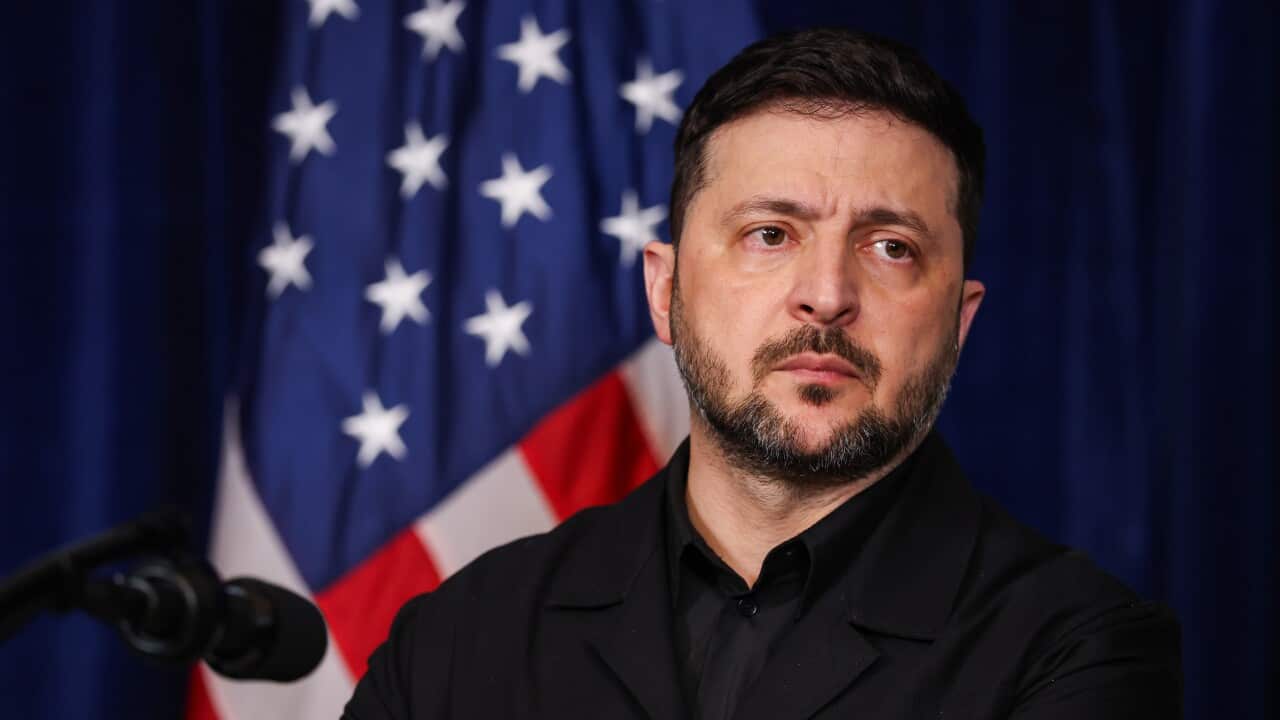
Zelenskyy Declares Ukraine Will Not Surrender, Despite Fatigue, as Peace Talks Reach Critical Juncture
Kyiv, Ukraine – In a late-night address delivered just before midnight, Ukrainian President Volodymyr zelenskyy reaffirmed his nation’s unwavering resolve to resist Russian aggression, despite acknowledging the immense strain of the ongoing conflict. Wearing a conventional dark green embroidered Ukrainian shirt,a symbol of national identity,Zelenskyy delivered a powerful message to his people and the international community: Ukraine will not be coerced into a surrender that sacrifices its sovereignty and future.
“Are we tired? Very,” Zelenskyy stated in the 21-minute address. “But does this mean we are ready to surrender? Anyone who thinks so is deeply mistaken.” This directness underscores the immense pressure Ukraine faces, both on the battlefield and at the negotiating table, but also signals a firm commitment to defending its territorial integrity.
The President’s address coincided with reports of significant progress in US-led peace negotiations, with a potential agreement reportedly 90% complete. Zelenskyy emphasized that the remaining 10% is not merely a procedural detail, but rather the core of the conflict – the terms that will determine the long-term security and stability of Ukraine, Europe, and the wider international order.
“That 10 per cent contains everything, it is the 10 per cent that will determine the fate of peace, the fate of Ukraine and Europe and how people will live,” he explained. he stressed that his signature will only be affixed to a “strong agreement,” one that guarantees lasting peace, not a temporary ceasefire. “my signature will be placed on a strong agreement. And that is exactly what every meeting, every phone call, every decision is about now.”
Sticking Points: Territory and trust
The core disagreement centers on territorial control. Russia currently occupies approximately 19% of Ukraine, primarily in the south and east. While President Vladimir Putin seeks guarantees that Ukraine will not join NATO and demands concessions regarding the Donbas region – areas Russian forces have struggled to fully capture – Ukraine insists on a freeze of the current battle lines.
Zelenskyy dismissed Russian demands for a complete withdrawal from Donbas as “deception,” highlighting a deep-seated lack of trust in Moscow’s intentions. “Does anyone still believe them? Unfortunately, yes,” he lamented, criticizing what he described as a tendency to mistake ”lies dressed up in business suits” for genuine diplomacy. this pointed critique reflects a growing concern within Ukraine that some international actors are willing to accept Russian narratives at face value.
Drone Attack Allegations and Shifting US Position
The situation has been further intricate by recent Russian allegations that Ukraine attempted to assassinate President Putin with a drone attack on his residence in the Novgorod region. Russian Foreign Minister Sergei Lavrov initially claimed the attack would necessitate a review of Russia’s negotiating position.
However,US intelligence assessments,including a CIA evaluation reported by the Wall Street Journal,have found no evidence to support these claims. The assessments indicate Ukraine did not target Putin or his residences.
The initial response from former US President Donald Trump,who expressed sympathy for the Russian charge and noted Putin’s “very angry” reaction,raised eyebrows. however, by Wednesday, Trump appeared more skeptical, sharing a New York Post editorial critical of Russia’s obstruction of peace efforts. This shift in tone underscores the complex dynamics at play and the influence of differing perspectives within the US political landscape.
Ukraine has vehemently denied involvement in the alleged drone attack, characterizing it as a deliberate disinformation campaign designed to undermine the progress made during recent talks with Trump in Florida.A briefing paper distributed by Ukraine to EU delegations explicitly accused Russia of attempting to “sabotage” the agreements reached during the South Florida meeting, which both sides initially described as “cordial and productive.”
EU Condemnation and the Path Forward
The European Union has echoed Ukraine’s condemnation of Russia’s claims. Kaja Kallas, the EU’s top diplomat, labeled the allegations a “deliberate distraction,” reinforcing the consensus that Russia is attempting to manipulate the narrative and disrupt the peace process.
The current situation demands a nuanced and resolute approach from the international community.While acknowledging the fatigue and the desire for a swift resolution, it is indeed crucial to maintain unwavering support for Ukraine’s sovereignty and territorial integrity. The remaining 10% of the peace agreement – the terms governing territorial control, security guarantees, and accountability for war crimes – will be pivotal in shaping the future of Ukraine and the broader European security architecture.
The coming days and weeks will be critical. The world is