ukraine War: Shifting Dynamics and Escalating Strikes
The conflict in Ukraine continues to evolve, marked by tentative peace talks alongside a surge in reciprocal attacks. Recent discussions between Moscow and Kyiv have hinted at potential compromises, yet meaningful obstacles remain. Understanding these complexities is crucial for grasping the current state of the war and its potential trajectory.
A Glimmer of Diplomacy, A Reality of Entrenchment
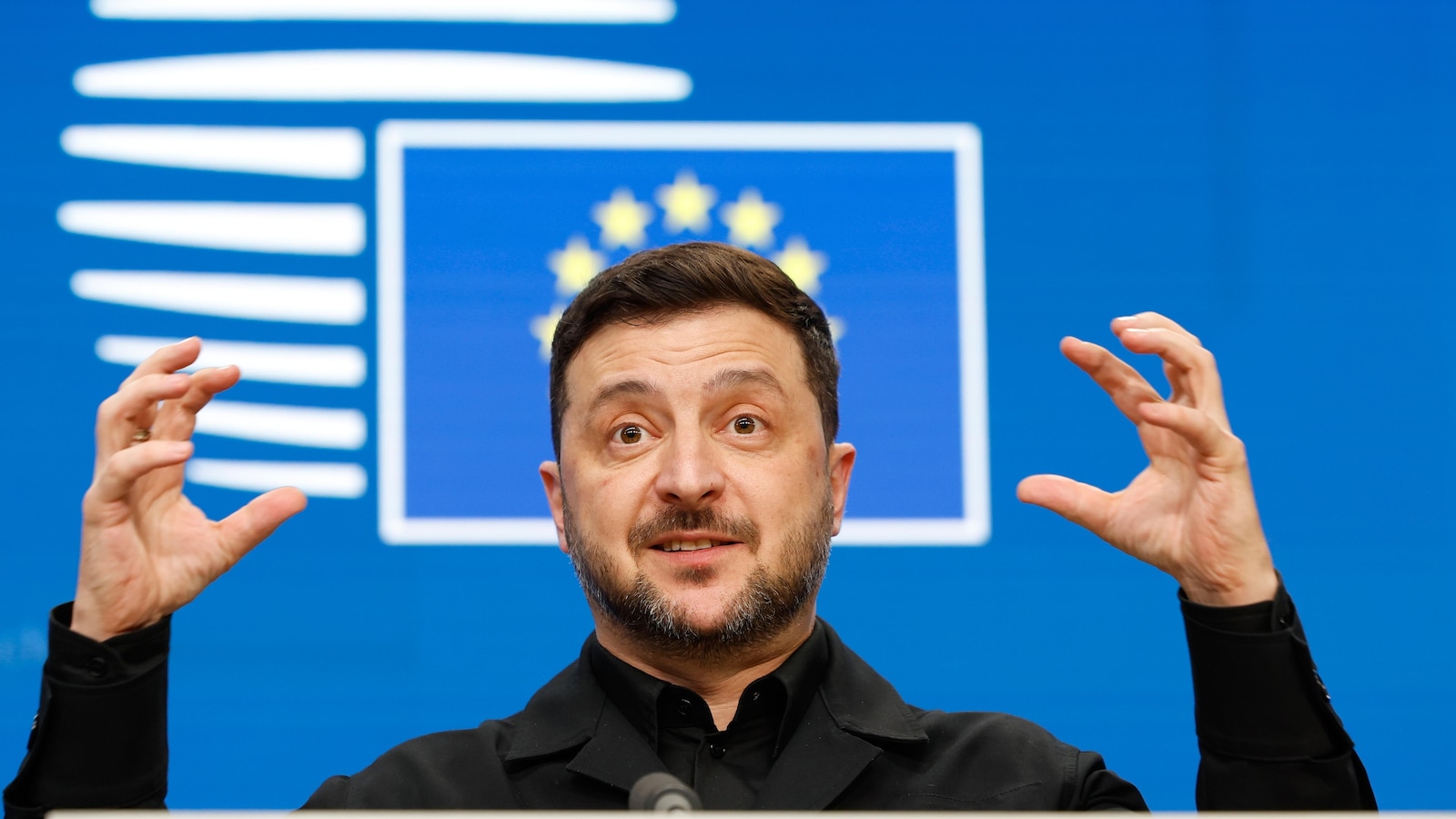
Ukrainian President Zelenskyy has indicated a willingness to consider withdrawing forces from the eastern industrial heartland – the Donbas region – as part of a broader peace agreement. Though, this is contingent on a full Russian withdrawal and the establishment of a demilitarized zone overseen by international observers.
despite acknowledging “slow but steady progress” in negotiations,Russia has offered no concrete commitment to relinquishing control of occupied territories. Actually, Moscow is demanding Ukraine cede all remaining land in the Donbas – a demand kyiv has firmly rejected. Currently,Russia controls moast of Luhansk and approximately 70% of Donetsk,the two provinces comprising the Donbas.
Escalation on the Ground: Drone Warfare and Strategic Targets
The battlefield itself is witnessing an intensification of attacks. Overnight drone strikes targeted the city of Mykolaiv,disrupting power supplies to parts of the city.
Concurrently, Ukraine has demonstrated its growing capacity for long-range strikes, successfully hitting a major Russian oil refinery in the Rostov region with British-supplied Storm Shadow missiles. The Novoshakhtinsk refinery sustained significant damage, with reports of multiple explosions.Unluckily, a firefighter was injured while battling the resulting blaze.
Ukraine’s Strategic Shift: Targeting Russian oil revenue
These strikes against Russian oil infrastructure represent a deliberate shift in Ukraine’s strategy. You’ll notice that Kyiv is aiming to cripple Moscow’s ability to finance the war by disrupting its oil export revenue.
Here’s a breakdown of the key objectives:
* Disrupting Funding: Reducing Russia’s income from oil exports directly impacts its capacity to sustain military operations.
* Long-Range Capabilities: The use of Storm Shadow missiles showcases Ukraine’s expanding arsenal and ability to strike deep within Russian territory.
* Strategic Impact: Targeting refineries aims to create logistical challenges for the Russian military.
Russia’s Winter Strategy: Targeting Ukrainian Infrastructure
Russia, in turn, continues its efforts to degrade Ukraine’s infrastructure. The goal appears to be to deny civilians essential services – heat, light, and running water – especially as winter approaches.
Ukrainian officials believe this constitutes a deliberate attempt to “weaponize winter,” creating immense hardship for the population. This tactic underscores the brutal nature of the conflict and the lengths to which both sides are willing to go.
What Does This Meen for You?
The situation remains fluid and unpredictable. While diplomatic efforts offer a potential path toward de-escalation, the reality on the ground suggests a prolonged conflict. understanding the strategic objectives of both sides, as well as the evolving tactics employed, is vital for anyone following this critical global event. The coming weeks and months will be crucial in determining the future of Ukraine and the broader geopolitical landscape.