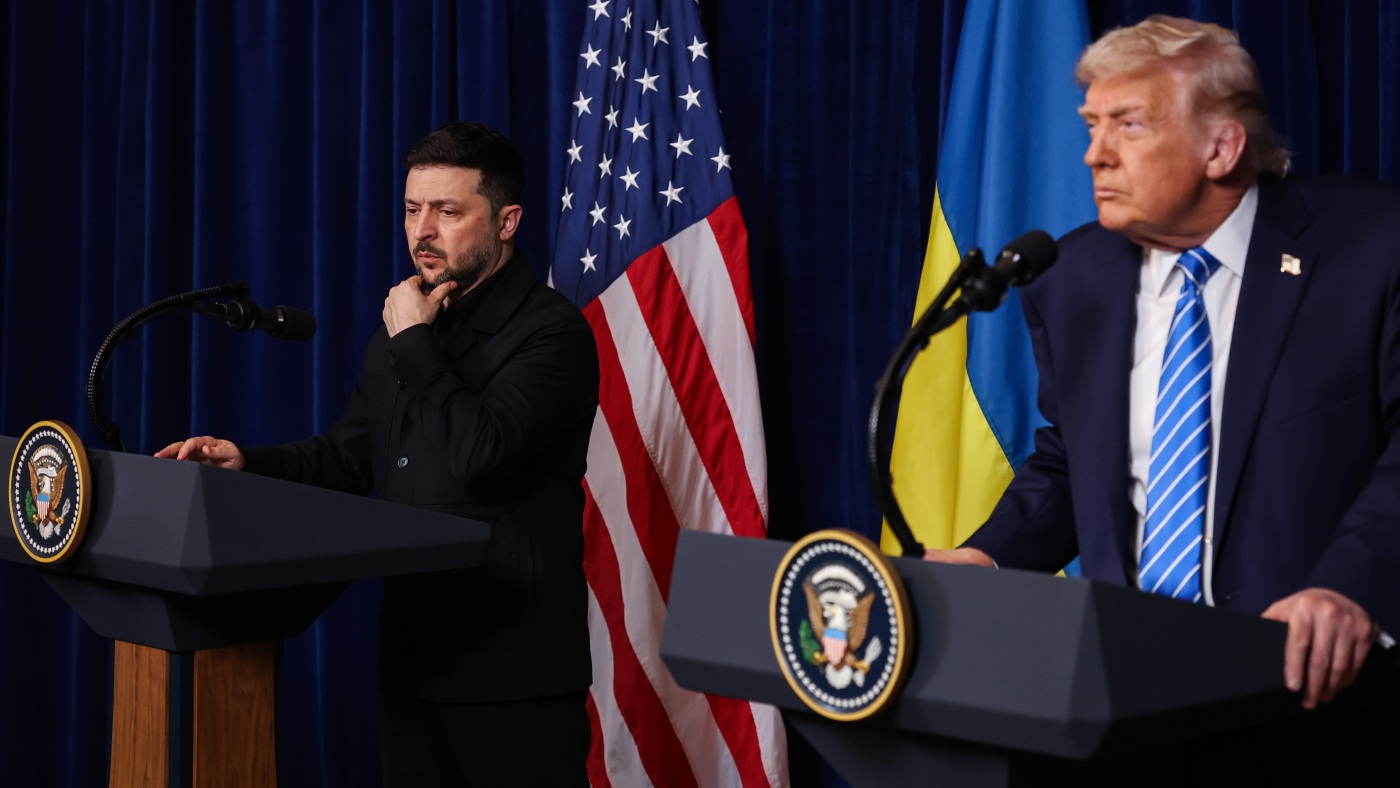
The Tightrope Walk: Trump, Putin, and the Future of Ukraine
The war in Ukraine continues to be a defining geopolitical challenge, and recent developments surrounding former President Donald Trump‘s engagement wiht the conflict are raising both anxieties and cautious optimism. A recent meeting between Trump and Russian President Vladimir Putin,coupled with diverging assessments of Russia’s war aims,highlights the precariousness of the situation and the high stakes involved in navigating a path towards a lasting peace.
for nearly a year into his second term, Trump has maintained a position that, while publicly calling for an end to the conflict, appears to align with Putin’s maximalist ambitions – namely, the complete subjugation of Ukraine and the potential re-establishment of Russian influence over parts of Eastern Europe that were once within the soviet sphere. This stance, unchanged despite mounting evidence of Russian aggression and war crimes, remains a meaningful concern for kyiv and its European allies.
Divergent Assessments & The Shadow of Disinformation
The core of the issue lies in differing interpretations of Putin’s objectives. While the Biden management and most international observers believe Putin seeks to dismantle Ukraine’s sovereignty, Trump appears receptive to the narrative that Russia’s aims are limited to securing the Donbas region. This perception is fueled, in part, by voices within his inner circle, such as former Director of National Intelligence Tulsi Gabbard, who has consistently downplayed Russian aggression and attributed critical assessments to a “deep state” agenda.
This internal dissonance is particularly troubling given recent Russian military actions. Just hours after speaking with Trump, Putin ordered a renewed push towards Zaporizhzhia, a major city far beyond the Donbas region, demonstrating a clear intent to expand territorial control and undermine any potential for a negotiated settlement based on limited objectives.
The Delicate Dance of Diplomacy
“Trump’s instincts are to favor Putin and Russia,” explains brian Taylor, Director of the Moynihan Institute of Global Affairs at Syracuse University. “Ukraine and its European partners are engaged in a critical effort to convince Trump of the obvious: Putin is not negotiating in good faith and will not settle for anything less than a Ukrainian surrender.”
The strategy hinges on demonstrating putin’s intransigence, hoping to compel Trump to adopt a firmer stance – tightening sanctions and increasing military assistance to Ukraine. It’s a challenging undertaking,likened by Taylor to a Sisyphean task,but one deemed essential by Kyiv and its allies.
Adding to the complexity, moscow recently claimed Ukraine orchestrated a drone attack targeting Putin’s residence, a claim vehemently denied by Kyiv. Russian Foreign Minister Sergei Lavrov used the alleged attack as justification for revising Russia’s negotiating position, framing Ukraine as a “state terrorist” regime.
ukrainian President Volodymyr Zelenskyy swiftly countered these accusations, accusing Russia of fabricating the incident to justify further aggression and derail diplomatic efforts. “This alleged ‘residence strike’ story is a complete fabrication intended to justify additional attacks against Ukraine,” Zelenskyy stated, emphasizing Ukraine’s commitment to diplomacy and calling on the world to resist Russian disinformation.
A Potential Silver Lining? Continued Negotiations & Security Guarantees
Despite the concerns, some analysts see a glimmer of hope. Frederick Kagan, Director of the Critical Threats Project at the Institute for the Study of War, notes that the recent meeting with trump doesn’t appear to have fundamentally altered his position. “U.S.-Ukraine negotiations appear to be continuing as before, wich is positive,” Kagan observes. “These negotiations are now delving into the crucial details of long-term security guarantees.”
However, significant gaps remain. The Trump administration has offered Ukraine a 15-year security agreement, while Zelenskyy is seeking guarantees spanning 50 years – a reflection of Ukraine’s deep-seated concerns about future Russian aggression.
The Road Ahead: Uncertainty and the Importance of Resolve
As Trump himself frequently enough states, “there’s no deal until there’s a deal.” The future of Ukraine, and indeed the stability of Europe, hangs in the balance. The situation demands a delicate balance of firm resolve, strategic diplomacy, and a clear-eyed understanding of Putin’s ambitions.
The international community must remain vigilant against disinformation, support Ukraine’s sovereignty, and continue to press for a just and lasting peace. The coming months will be critical in determining whether a path towards de-escalation and stability can be forged, or whether Ukraine faces a prolonged and devastating conflict.
Key Takeaways:
* Trump’s Position: Remains aligned with Putin’s maximalist goals, raising concerns among Ukraine and its allies.
* Diverging Assessments: Disagreement over Putin’s objectives