
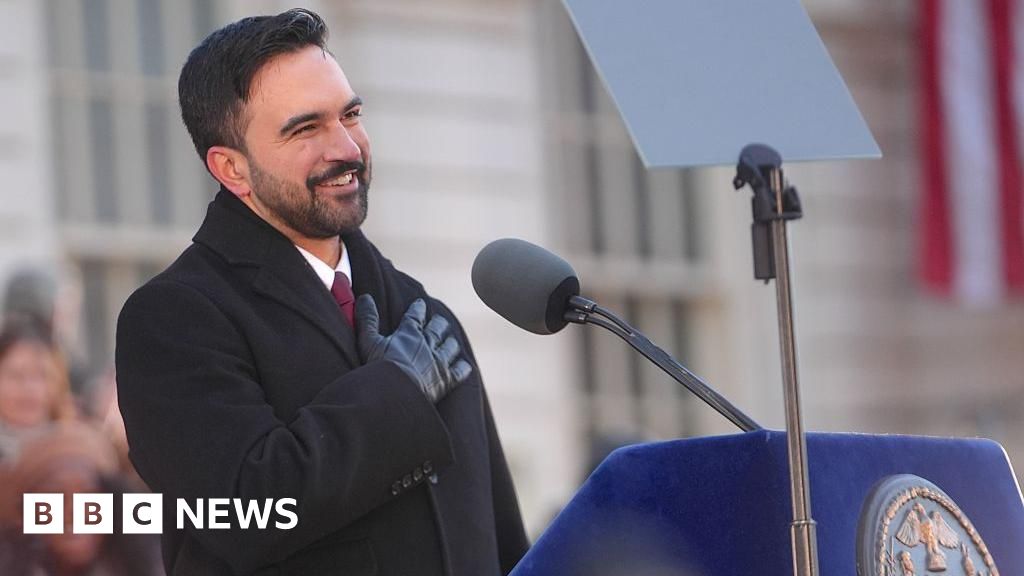
Navigating the Challenges Ahead: how Mayor Mamdani is Approaching New York City‘s Biggest Issues
New York City has a new leader. The election of Mamdani marks a important shift, and as he settles into office, understanding his approach to key challenges – economic concerns, business relations, and public safety - is crucial. This article breaks down how the new mayor is tackling these issues, offering insights into his strategies and the potential impact on the city’s future.
Building Bridges with the Business Community
Initially, Mamdani faced skepticism from New York’s powerful business sector. Many questioned whether his progressive policies aligned with the needs of the city’s economic engine. However, the mayor has actively worked to address these concerns, demonstrating a willingness to engage and collaborate.
Here’s how he’s approaching the relationship:
* Direct Outreach: Mamdani proactively reached out to leaders in finance and real estate, seeking to understand their perspectives.
* Seeking Support: He engaged with figures like JPMorgan Chase CEO Jamie Dimon, who pledged support should mamdani be elected.
* Building Rapport: Meetings with developers like Jeffrey Gural resulted in positive assessments of the mayor’s personality and intellect.
Despite these efforts, anxieties remain. Business leaders worry about the potential impact of proposed tax increases on corporations and high-income earners,fearing an exodus from the city. As political analyst Bruce Egan notes, the persistence of a “spirit of cooperation” remains to be seen.
Ultimately, a successful mayoral term hinges on collaboration. New York’s financial and real estate sectors are vital, and their cooperation is essential for navigating the city’s complex economic landscape.
addressing Public Safety: A New Vision
Public safety is always a top priority for New York City’s mayor. While crime rates have recently declined – with homicides and shootings falling to near-record lows in 2025 – maintaining a safe surroundings for residents and visitors remains paramount.
Mamdani is taking a multifaceted approach, moving beyond customary policing methods:
* Department of Community Safety: He plans to establish a new department focused on investing in mental health programs, crisis response teams, and outreach workers in public spaces like subway stations.
* Building on Existing Initiatives: The mayor acknowledges previous efforts, such as those implemented by former Mayor Eric Adams, but aims to improve their effectiveness.
* Focus on Root Causes: Mamdani’s strategy emphasizes addressing the underlying issues contributing to crime,such as homelessness and mental health crises.
A key move to reassure stakeholders was retaining Police Commissioner Jessica Tisch from the previous administration. This decision signaled a commitment to maintaining effective policing while pursuing innovative solutions.
According to Democratic strategist Howard Wolfson, a former advisor to Mayor Mike Bloomberg, public safety is the “prerequisite for success or failure.” If New Yorkers feel safe, they are more likely to accept other challenges. Conversely, a perceived decline in safety can overshadow any other accomplishments.
You can expect a focus on both proactive community support and effective law enforcement under Mamdani’s leadership. Your sense of security will be a key measure of his success.
Looking Ahead: A Balancing Act
Mayor Mamdani faces a delicate balancing act. He must navigate the competing interests of various stakeholders while delivering on his promises to improve the lives of all New Yorkers.
His early actions suggest a willingness to listen,collaborate,and innovate. However, the true test of his leadership will come as he implements his agenda and confronts the certain challenges that lie ahead.
This is a developing story. We will continue to monitor the mayor’s progress and provide updates on his efforts to shape the future of New York City.
Disclaimer: This article provides analysis and insights based on publicly available information as of November 26, 2023. It is not intended to be a definitive prediction of future events.


