
The luxury automotive landscape is undergoing a period of profound transition, and few names carry as much weight in this evolution as Ferrari. As the iconic Italian manufacturer navigates the shift toward electrification, the market response to its strategic pivot has become a focal point for investors and enthusiasts alike. The introduction of Ferrari’s first fully electric vehicle represents a watershed moment for the Maranello-based company, challenging the brand’s deep-rooted heritage of high-performance internal combustion engines.
For long-term investors, the transition to electric mobility is not merely a technical challenge but a fundamental shift in the company’s economic profile. Recent market fluctuations—including notable movements in share price following strategic announcements—underscore the cautious optimism and volatility associated with luxury legacy brands entering the battery-electric vehicle (BEV) space. According to financial data tracked by the New York Stock Exchange, Ferrari’s stock performance continues to be heavily scrutinized as the firm balances its commitment to exclusivity with the demands of an increasingly electrified global market.
Strategic Realignment in Maranello
Ferrari has historically maintained a unique position in the automotive hierarchy, where scarcity and performance are the primary drivers of value. The decision to embrace electric propulsion is a calculated move to meet tightening global emissions regulations while attempting to preserve the brand’s “soul.” In a recent update to stakeholders, the company outlined its roadmap for the “Ferrari of the future,” emphasizing that performance, design, and driving dynamics will remain the cornerstone of its electric offerings.
The technical integration of new technology, such as advanced digital cockpits and high-performance battery arrays, is central to this strategy. By leveraging partnerships in the tech sector, Ferrari aims to ensure that its electric models offer a user experience consistent with the expectations of its ultra-high-net-worth clientele. However, the move away from traditional engines has sparked a broader conversation among automotive analysts regarding the potential dilution of the brand’s exclusivity.
Market Sentiment and Investor Expectations
Investor apprehension often stems from the uncertainty surrounding profit margins on electric vehicles compared to their combustion-engine counterparts. As the company scales its production capabilities—including the development of a new “e-building” facility in Maranello—the capital expenditure required is significant. Official filings from the U.S. Securities and Exchange Commission confirm that the company is investing heavily in manufacturing infrastructure to support this multi-year transition.

Market reactions to specific product launches or strategic pivots are rarely uniform. While some analysts view the electrification of Ferrari as a necessary step to secure the company’s relevance in a decarbonized world, others remain skeptical about whether a battery-powered car can truly replicate the visceral experience that has defined the brand for decades. The interplay between these two schools of thought is frequently reflected in the daily volatility of the stock market.
Key Considerations for the Future of Ferrari
As the company prepares for the next phase of its evolution, several factors will determine its long-term success:
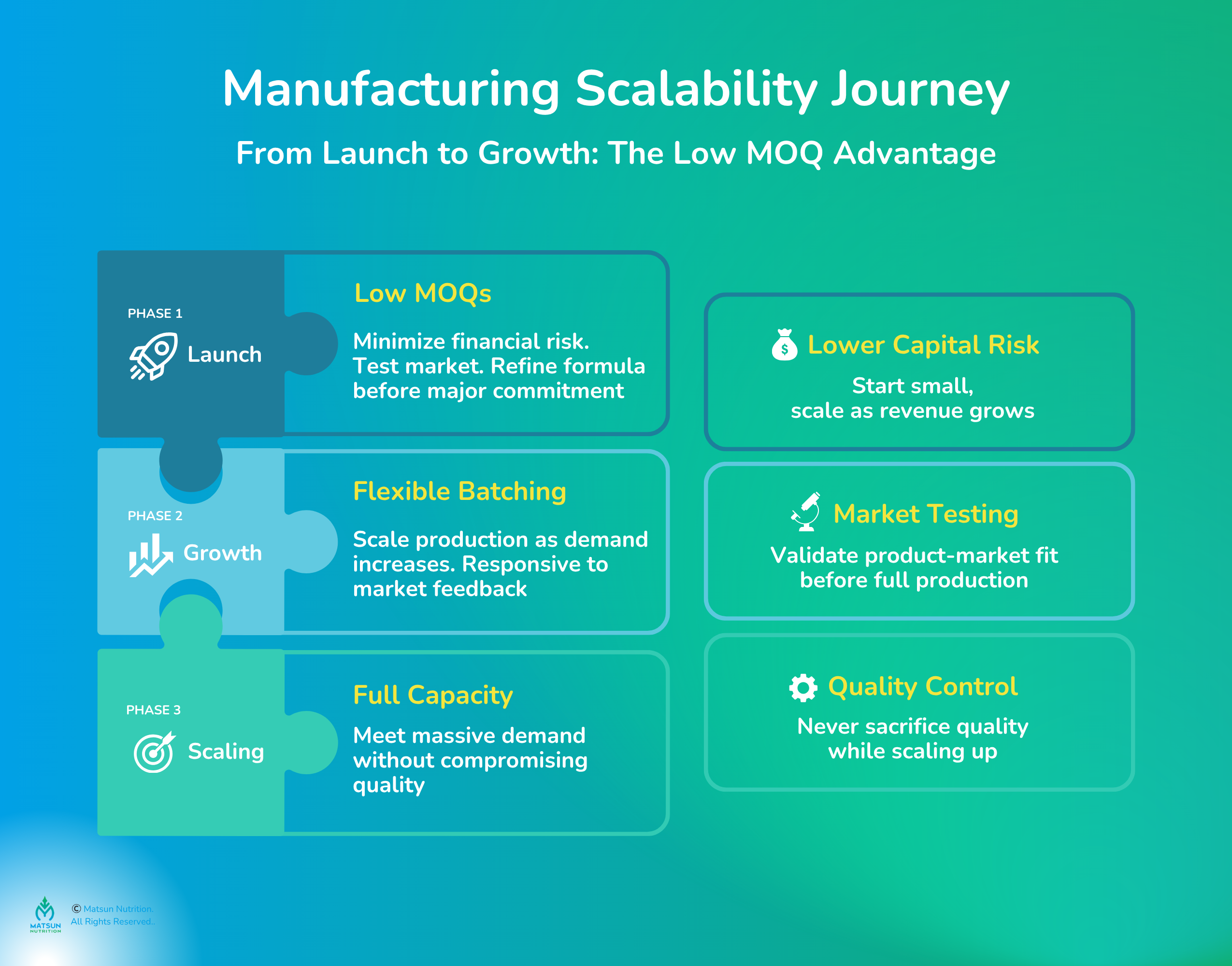
- Manufacturing Scalability: The ability to produce electric vehicles while maintaining the meticulous assembly standards that define the Ferrari brand.
- Regulatory Compliance: Adapting to evolving global standards in the European Union and North America regarding greenhouse gas emissions.
- Brand Integrity: Balancing technological innovation with the heritage-driven design language that collectors expect.
The company’s executive leadership has remained consistent in their messaging: that Ferrari will not sacrifice its core identity for the sake of volume. Whether this strategy will sustain the company’s historical market premiums remains to be seen. For those tracking the company’s progress, the next major milestone will be the publication of the annual earnings report, which will provide further clarity on production targets and capital allocation for the coming fiscal year.
As we monitor these developments, Ferrari is at a crossroads. The transition to electric is not just about changing the powertrain; it is about redefining what a luxury sports car represents in the 21st century. We invite our readers to share their thoughts on this historic shift in the comments section below, as we continue to provide in-depth coverage of the luxury automotive sector.
Related reading