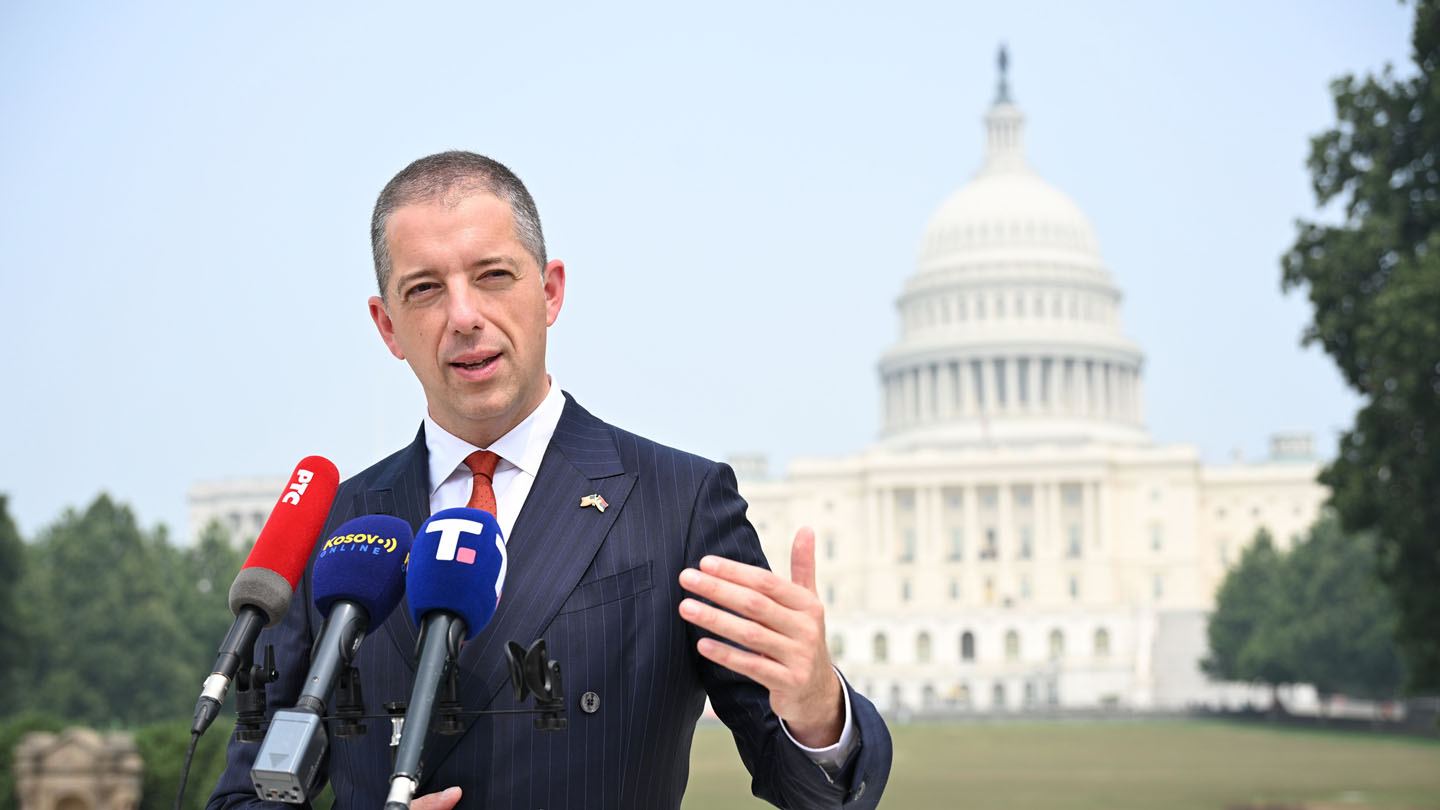
The United States and Serbia have formalized a new framework for strategic cooperation, emphasizing expanded ties in energy, telecommunications, and defense. This bilateral agreement marks a significant step in diplomatic relations, aiming to integrate Serbia more closely with Western technological and economic standards while addressing regional security concerns. The joint statement, released following high-level diplomatic engagements, outlines specific sectors—including the Đerdap 3 hydroelectric project and the modernization of telecommunications infrastructure—as primary areas for future investment and policy alignment.
Strategic Energy and Infrastructure Initiatives
A central pillar of the joint statement is the commitment to energy transition and infrastructure development. The reference to the Đerdap 3 hydroelectric project signals a potential shift toward large-scale renewable energy cooperation. According to the U.S. Embassy in Serbia, these initiatives are designed to bolster regional energy security and reduce reliance on single-source energy imports. By leveraging American technical expertise and potential financing, the project aims to modernize Serbia’s existing hydropower capacity, which is a critical component of the country’s national grid.
In the telecommunications sector, the agreement highlights the role of Telekom Srbija in ongoing modernization efforts. The partnership focuses on upgrading network security and adopting international standards for digital infrastructure. This alignment is intended to foster a more transparent regulatory environment, ensuring that critical data infrastructure meets the security requirements often sought by Western institutional partners. The U.S. State Department has previously emphasized that such partnerships are vital for maintaining secure digital borders in the Western Balkans, as noted in their 2024 country reports regarding regional stability and economic development.
Defense Cooperation and Educational Exchange
Beyond energy and technology, the joint statement addresses defense procurement and professional development. The focus on the purchase of military equipment follows a series of bilateral military-to-military engagements aimed at increasing the interoperability of the Serbian Armed Forces with NATO standards. While the specific details of these acquisitions remain subject to individual contract negotiations, the framework provides the political clearance necessary for such transactions to proceed under U.S. government oversight, as confirmed by Defense Security Cooperation Agency guidelines on foreign military sales.

Educational and cultural ties remain a consistent feature of the U.S.-Serbia relationship, with the agreement explicitly mentioning the expansion of Fulbright scholarships. This program, which facilitates academic exchange between the two nations, is viewed by both parties as a long-term investment in human capital. By increasing the number of participants in these exchange programs, the U.S. and Serbian governments aim to strengthen institutional knowledge and foster deeper professional networks in fields such as economics, law, and engineering.
Contextualizing the Bilateral Framework
The agreement emerges at a time when Serbia is balancing its long-standing policy of military neutrality with its aspiration for European Union integration. By formalizing these specific areas of cooperation with the United States, Belgrade is positioning itself to attract foreign direct investment that is contingent upon adherence to transparent, market-based economic policies. Analysts often point out that these agreements serve as a hedge against regional economic volatility, providing Serbia with access to Western financial instruments and technological transfer protocols.

The success of these initiatives will likely be measured by the speed at which the identified projects move from the planning phase to active implementation. For the Đerdap 3 project, this involves complex environmental and feasibility studies, while telecommunications upgrades will depend on the continued harmonization of Serbian law with EU digital directives. Interested parties can monitor official updates through the Ministry of Foreign Affairs of Serbia, which regularly publishes notices regarding international treaty implementation and bilateral project milestones.
This evolving partnership reflects a broader trend of increased U.S. engagement in the Western Balkans, prioritizing economic integration as a tool for regional stability. As the implementation phase begins, stakeholders and international observers will look for signs of progress in the upcoming quarterly reviews of bilateral economic cooperation. Readers are encouraged to share their insights or questions regarding the impact of these developments on regional markets in the comments section below.
Worth a look