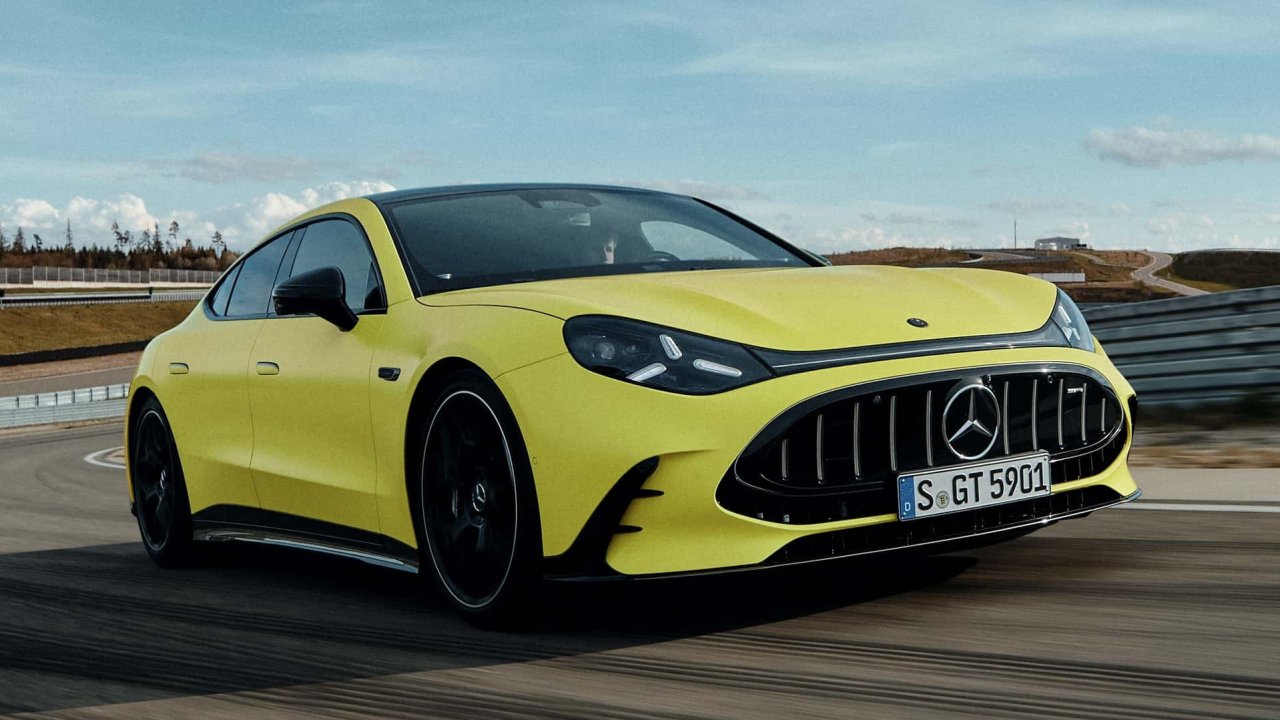
Mercedes-Benz CEO Ola Källenius has described the current market conditions for electric vehicles (EVs) as “brutal” and “catastrophic,” citing intense price competition and cooling demand that have pressured the luxury automaker’s profitability. Speaking to investors and analysts during the company’s recent earnings disclosures, Källenius emphasized that the automotive industry is currently navigating a period of significant volatility as the transition to battery-electric technology proves more costly and slower than initially projected by many manufacturers.
The remarks reflect a broader recalibration within the European automotive sector, where legacy manufacturers are struggling to balance massive capital investments in electrification against a consumer base that remains cautious due to high interest rates, concerns over charging infrastructure, and the withdrawal of government subsidies in key markets like Germany. According to official financial reports from Mercedes-Benz Group AG, the company has had to adjust its long-term outlook to account for these macroeconomic headwinds.
Market Pressures and Pricing Wars
The “catastrophic” label used by Källenius specifically points to the pricing environment. As manufacturers struggle to move inventory, aggressive discounting has become the norm, eroding profit margins that are traditionally high for luxury brands like Mercedes-Benz. Data from Reuters indicates that the company lowered its full-year profit margin forecast in July 2024, reflecting the direct impact of these market conditions on the bottom line. The competition is not merely coming from traditional rivals but from a surge of new entrants, particularly from China, which have introduced advanced software and competitive pricing that challenge established German engineering standards.

For investors, the concern centers on the “cost-to-benefit” ratio of electrification. While Mercedes-Benz has committed to an “electric-only” strategy where market conditions allow, Källenius clarified that the company will maintain flexibility, continuing to produce and refine internal combustion engine (ICE) and hybrid vehicles to meet ongoing consumer demand. This dual-track strategy is designed to hedge against the slow adoption rates of pure battery-electric vehicles (BEVs).
The Shift in Strategy
Mercedes-Benz is currently focused on optimizing its cost structure. The company’s strategy involves a rigorous review of supply chain efficiencies and manufacturing processes to ensure that its EV offerings, such as the EQ line, remain viable even in a high-cost environment. As noted in the official corporate strategy documentation provided by the firm, the goal is to achieve technological leadership while maintaining the financial discipline required to navigate a cyclical industry downturn.
Analysts suggest that the current situation is a reality check for the automotive industry. The initial optimism surrounding rapid EV adoption has been tempered by the realization that infrastructure growth—specifically the availability of high-speed charging networks—has not kept pace with vehicle production. Furthermore, the volatility in energy prices and the geopolitical tensions affecting supply chains have added layers of complexity that were not present during the initial phase of the industry’s pivot to EVs.
Impact on the Luxury Segment
The luxury segment, which Mercedes-Benz dominates, is particularly sensitive to these shifts. Unlike mass-market brands, luxury buyers often prioritize brand heritage, performance, and reliability, which creates a high barrier to entry for new EV-only brands. However, even these established buyers are showing signs of hesitation. The transition to electric platforms requires a rethink of vehicle architecture, which involves substantial upfront investment in R&D. When sales volumes do not meet the expected thresholds, the cost per unit remains significantly higher than that of traditional vehicles.
According to the International Energy Agency’s Global EV Outlook 2024, while global electric car sales continue to grow, the pace of that growth varies significantly by region, with Europe seeing a more measured adoption rate compared to China. This regional disparity forces companies like Mercedes-Benz to tailor their product launches and inventory levels to specific markets, further complicating global production logistics.
The Path Forward
Looking ahead, Mercedes-Benz continues to invest in next-generation battery technology and software-defined vehicles. The company’s next major milestone will be the rollout of its updated platforms, which are intended to address current limitations in range and charging speed. These developments are scheduled to reach the market in the coming years, as detailed in the company’s annual shareholder updates. Management remains committed to the long-term vision of a carbon-neutral fleet, though the timeline for this transition is now viewed through a more pragmatic lens that prioritizes financial sustainability alongside environmental goals.

The company is expected to provide further updates on its production targets and margin expectations during the next quarterly earnings call. Investors and stakeholders can monitor the official Mercedes-Benz Investor Relations portal for verified filings and executive commentary. We invite readers to share their perspectives on the future of the electric vehicle market in the comments section below.