
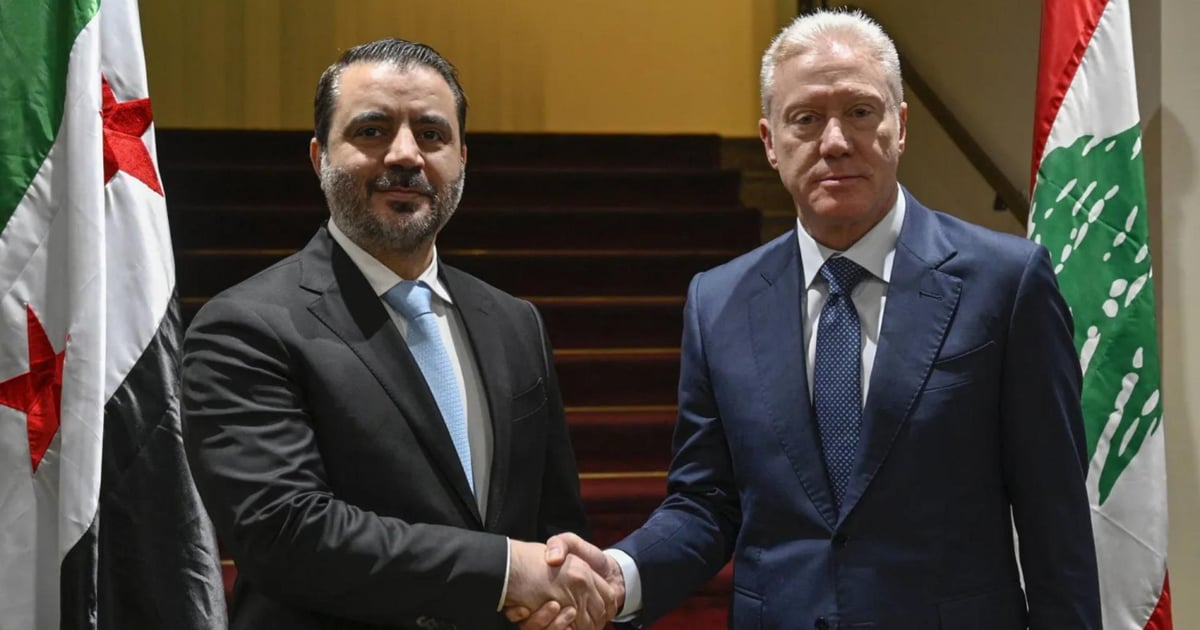
Diplomatic channels between Beirut and Damascus have shown signs of potential recalibration, with officials from both nations signaling an openness to renewed engagement. Recent statements from Syrian and Lebanese representatives suggest a shift in the regional discourse, focusing on the possibility of high-level meetings and a reassessment of long-standing bilateral tensions, though concrete details regarding a formal agreement remain limited.
The prospect of improved relations comes as Lebanon continues to navigate a multifaceted domestic crisis. According to reports, Syrian officials have expressed a willingness to engage in dialogue with various Lebanese political factions, including Hezbollah, if such interactions serve their national interests. This development marks a notable departure from the prolonged diplomatic freeze that has characterized relations between the two neighbors for years.
Diplomatic Overtures and Regional Interests
The Syrian government has indicated that it remains open to direct communication with Lebanese political stakeholders, including Hezbollah, provided that these meetings align with Syrian strategic objectives. This stance, articulated by representatives in regional media, suggests a pragmatic approach to the shifting geopolitical landscape in the Levant.
For Lebanon, the potential for a “new page” in its relationship with Syria is being discussed by various political actors. Observers have noted that while historical grievances persist, the necessity of addressing mutual security and economic concerns may drive these diplomatic efforts. However, analysts emphasize that any potential rapprochement is contingent upon the evolving internal political balance within Lebanon and the broader regional influence of international actors.
The Question of Hezbollah’s Role
A central point of discussion in the current diplomatic discourse concerns the role of Hezbollah and the potential for Syrian intervention in Lebanese internal affairs, particularly regarding the group’s arsenal. When questioned on the possibility of Syrian involvement in the disarmament of Hezbollah, diplomatic sources have indicated that such a scenario remains unlikely.

Statements provided to international media outlets suggest that Syria is not expected to intervene in Lebanon to facilitate the disarmament of the group. Instead, the focus of the current diplomatic signaling appears to be on maintaining regional stability and managing the complex, often overlapping, interests of the two states. The relationship continues to be defined by a delicate balance, where the autonomy of Lebanese political actors remains a subject of intense domestic and international scrutiny.
Contextualizing the Shift in Relations
The current discussions regarding a potential shift in Lebanon-Syria relations occur against a backdrop of significant economic and social instability in Lebanon. The country is currently managing one of the most severe financial crises in modern history, a situation documented by the World Bank. This economic pressure has forced Lebanese policymakers to evaluate all potential avenues for regional cooperation, including those that were previously considered politically sensitive.
Furthermore, the regional landscape is heavily influenced by the ongoing conflict in Syria, which has displaced millions and created significant security challenges across the border. The United Nations High Commissioner for Refugees maintains detailed statistics on the impact of this displacement, which remains a primary factor in the bilateral dialogue between Beirut and Damascus. Any formal movement toward a new agreement would likely need to address these pressing humanitarian and security realities to gain domestic legitimacy in Lebanon.
What Happens Next
As of now, no formal treaty or finalized agreement has been published or ratified by the Lebanese or Syrian governments. The current phase is characterized by exploratory diplomatic messaging rather than substantive policy shifts. Observers are closely monitoring the next high-level meetings between representatives of the two states for any indication of a structured framework or a memorandum of understanding.
Future developments will likely depend on the outcome of internal Lebanese political consultations and the broader regional security situation. For updates on official diplomatic proceedings, stakeholders and the public typically rely on statements released by the Lebanese Ministry of Foreign Affairs and Emigrants. Readers are encouraged to monitor these official channels for any verified announcements regarding future bilateral summits or policy changes.