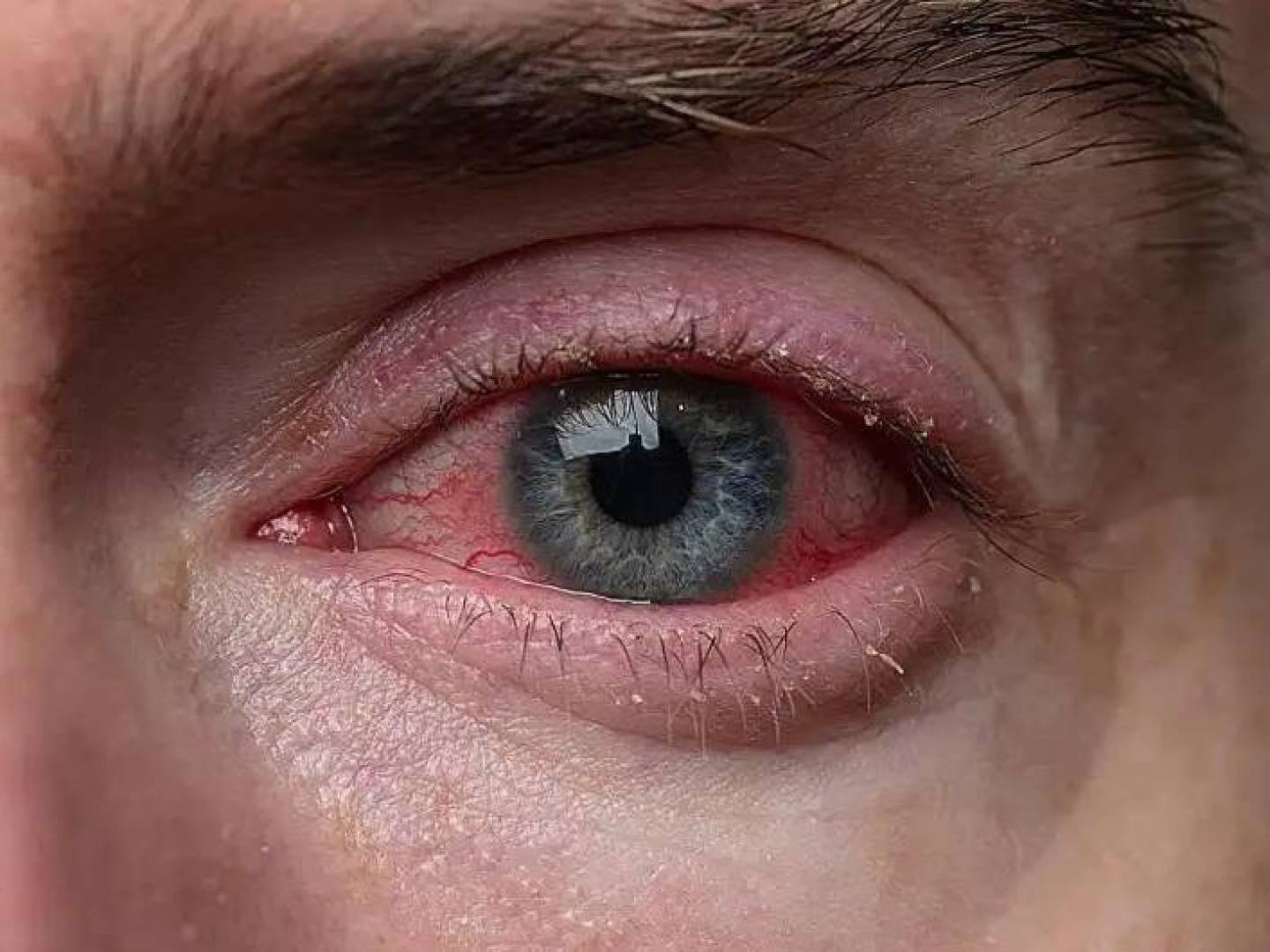
Allergic Conjunctivitis Linked to Increased Risk of Keratoconus, Study Finds
A recent study has revealed a significant association between allergic conjunctivitis (AC) and an increased risk of developing keratoconus, a progressive eye disease that causes the cornea to thin and change shape. The findings underscore the importance of regular eye monitoring for individuals, particularly young people, suffering from allergic eye conditions.
what is Keratoconus?
Keratoconus is a non-inflammatory corneal dystrophy characterized by progressive thinning and bulging of the cornea – the clear front surface of the eye. https://www.aao.org/eye-health/diseases/keratoconus this distortion leads to blurred vision, increased sensitivity to light, and difficulty with tasks like driving, especially at night. While the exact cause of keratoconus isn’t fully understood, genetic predisposition, environmental factors, and now, increasingly, underlying allergic conditions are believed to play a role.
The Study Findings
The research, involving 118 patients with allergic conjunctivitis and a control group, demonstrated a 60% increase in the hazard ratio for keratoconus in the AC group (Hazard Ratio = 1.6). This means individuals with allergic conjunctivitis where 1.6 times more likely to develop keratoconus compared to those without the condition.
Moreover, the study found a significant link between allergic conjunctivitis and corneal haze (tá’ákul al-qarniyyah) with a hazard ratio of 1.87. Patients with allergic conjunctivitis also required more advanced corneal diagnostic procedures, such as corneal topography, with hazard ratios of 1.94 and 2.05 respectively. Corneal topography is a mapping technique that creates a detailed 3D image of the cornea’s surface, allowing for early detection of irregularities.
Why the Connection?
Researchers believe chronic eye rubbing, a common symptom of allergic conjunctivitis, may contribute to the progress of keratoconus. https://www.ncbi.nlm.nih.gov/pmc/articles/PMC9463441/ The mechanical stress from repeated rubbing can weaken the corneal structure over time, potentially leading to its distortion. Inflammation associated with allergies may also play a role in altering corneal tissue.
The study reinforces previous clinical observations and highlights allergic eye diseases as a significant risk factor for keratoconus development.
Recommendations for Prevention and Early Detection
Given these findings, ophthalmologists recommend increased vigilance regarding corneal health in children and young adults (ages 5-25) with allergic conjunctivitis. Regular monitoring should include:
* Corneal Topography: This non-invasive imaging technique can detect subtle changes in corneal shape that may indicate early keratoconus.
* Advanced Corneal Diagnostics: When indicated, further diagnostic procedures can provide a more complete assessment of corneal health.
Early detection is crucial for managing keratoconus and minimizing potential complications.
Keep reading