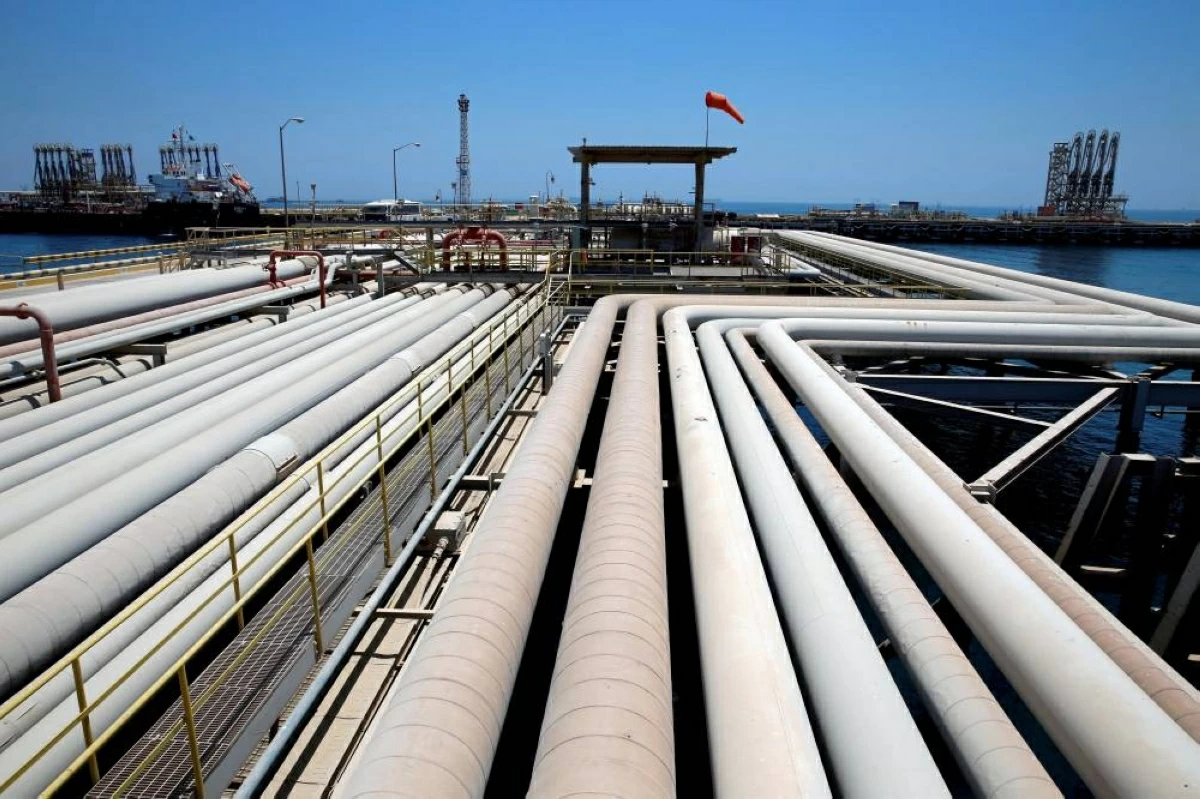
Global oil prices are experiencing downward pressure as market participants weigh persistent inflation concerns against ongoing supply-side risks. West Texas Intermediate (WTI) crude has dipped below the $72 per barrel threshold, reflecting a broader sentiment shift in global energy markets driven by macroeconomic indicators and shifting production policies among major exporters.
The current market landscape is heavily influenced by the strategic decisions of the OPEC+ alliance. Recent reports indicate that the group is moving forward with plans to increase production, a move that is reshaping the global energy map by altering supply balances. This supply increase arrives at a time when traders are also monitoring geopolitical tensions, particularly in the Middle East, which historically impact risk premiums on oil futures.
Market Dynamics and OPEC+ Production Shifts
The decision by OPEC+ to adjust production levels serves as a primary driver for current price volatility. According to data tracked by Reuters, the balancing act between supply output and global demand remains fragile. While the alliance seeks to maintain market stability, the increase in supply is being met with caution by investors who fear that global economic growth—and consequently, energy demand—may not keep pace with the added volume.
This supply-side shift is occurring alongside significant geopolitical considerations. Concerns regarding maritime security, particularly in critical shipping lanes such as the Strait of Hormuz, continue to influence price discovery. While analysts often monitor these regions for potential supply disruptions, current market assessments suggest that the anticipated supply increase from OPEC+ is temporarily muting the impact of these geopolitical risk premiums.
Inflationary Pressures and Global Demand
Beyond production volumes, the global economic environment remains a critical factor for energy prices. Financial markets are currently prioritizing inflation data, which informs the interest rate policies of major central banks, including the U.S. Federal Reserve. Higher interest rates are generally associated with a stronger U.S. dollar, which can make oil more expensive for holders of other currencies, thereby dampening global demand.
As reported by Bloomberg, the intersection of sticky inflation and high borrowing costs creates a difficult environment for energy prices to sustain long-term rallies. When inflation remains above target levels, the economic outlook for major oil-consuming nations tends to weaken, leading to a downward adjustment in oil price expectations.
Geopolitical Risk and Maritime Logistics
The Strait of Hormuz remains a focal point for energy analysts. Any perception of improved navigation or reduced tension in this corridor tends to exert downward pressure on oil prices, as the “fear premium” associated with supply blockages dissipates. Current reports suggest that market participants are factoring in a more stable outlook for maritime transit, which contributes to the recent softening of crude prices.
However, the risk remains fluid. Energy security experts emphasize that while current logistics appear stable, the reliance on these narrow waterways means that any sudden shift in regional security could rapidly reverse the current trend in prices. Stakeholders are advised to monitor official advisories from the U.S. Energy Information Administration for regular updates on production and inventory levels, which provide a more empirical view of market health than speculative headlines.
What Investors Should Monitor Next
The next major checkpoint for energy markets will be the release of updated production reports and the subsequent meeting of the OPEC+ monitoring committee. These sessions provide the most accurate picture of whether the announced production increases are being implemented as planned or if market conditions have necessitated a strategy shift.
For those tracking the impact on global markets, the correlation between U.S. consumer price index (CPI) data and oil futures will remain the most significant indicator for the remainder of the quarter. Investors and industry observers are encouraged to review the latest International Energy Agency (IEA) monthly oil market reports to understand the underlying supply-demand balances that will likely dictate price movements in the coming months.
We welcome your insights on these market developments. Please share your perspective on how current production policies and macroeconomic trends are influencing your outlook on the energy sector in the comments section below.