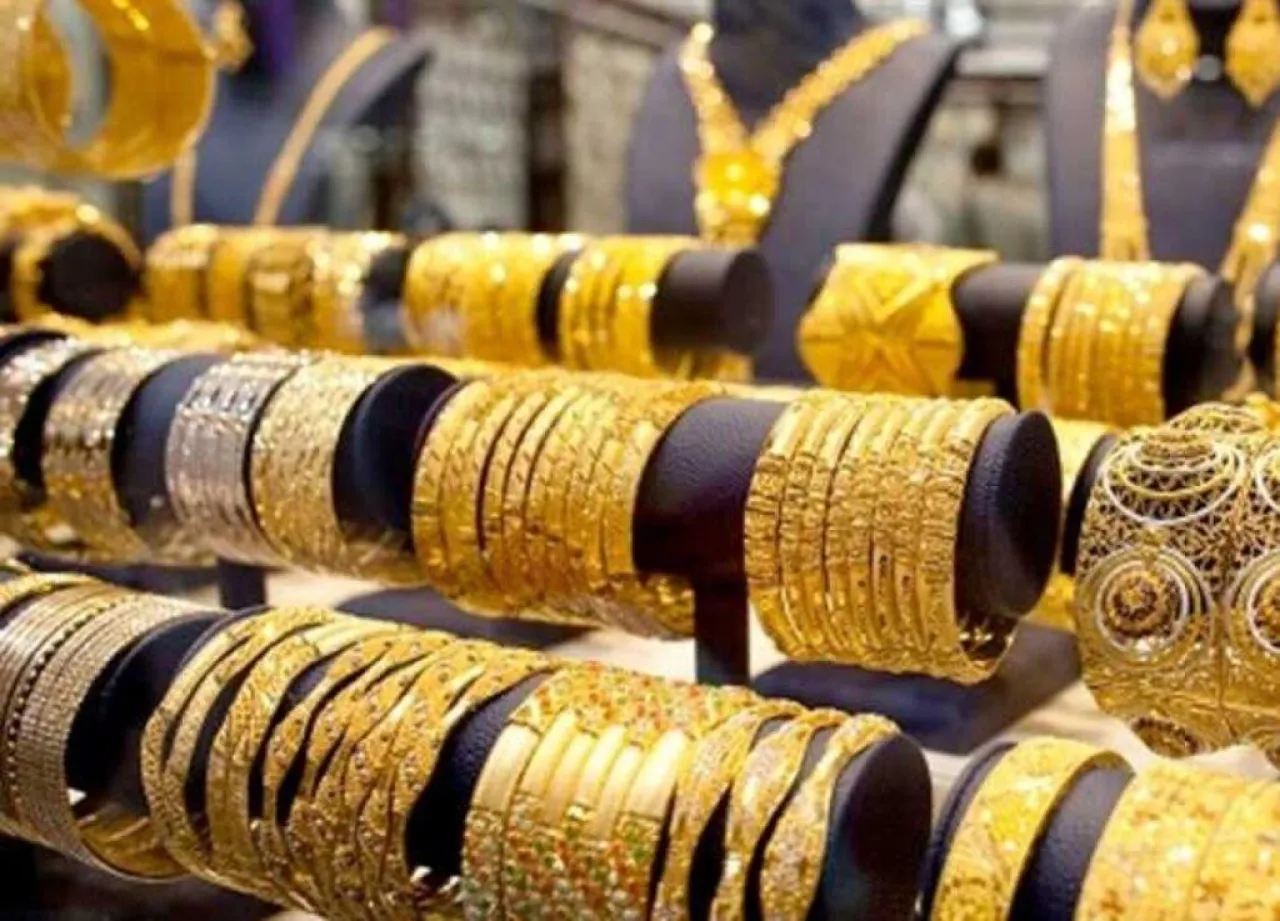
Gold merchants in Jordan are reporting a period of heightened market uncertainty as retail prices for the precious metal experience a noticeable decline. Local jewelers and market analysts indicate that this downward trend in gold prices has impacted consumer behavior, leading to a cautious atmosphere within the domestic precious metals sector. The fluctuations in local pricing follow broader trends observed in international commodity markets, where gold has faced pressure amid evolving global economic indicators.
The Jordanian gold market, which is closely linked to the London Bullion Market and international benchmarks, remains highly sensitive to shifts in the U.S. dollar and global interest rate expectations. According to the Central Bank of Jordan, the kingdom’s monetary policy continues to align with regional stability, yet the retail gold trade faces unique pressures from changing consumer purchasing power and shifts in investment demand.
Drivers of Current Market Volatility
The recent decline in gold prices is primarily attributed to the strengthening of the U.S. dollar and adjustments in bond yields, which often diminish the appeal of non-yielding assets like gold. As reported by the Reuters commodity desk, investors often pivot away from bullion when central banks signal a “higher for longer” interest rate environment. For the Jordanian jeweler, this international volatility translates into daily price adjustments that can confuse local consumers.
Market observers note that the local trade is not immune to these global currents. When international prices drop, Jordanian merchants must adjust their inventory valuation, which can lead to a temporary slowdown in sales as potential buyers wait for further price stability. This “wait-and-see” approach among consumers is a recurring pattern in Amman’s gold souks during periods of sharp pricing corrections.
Impact on Jordanian Retailers and Consumers
For the average consumer in Jordan, lower gold prices typically represent a buying opportunity, particularly for wedding jewelry and gold-based savings. However, the current decline has created a dual-effect. While retail prices are lower, the economic environment has led many households to prioritize liquidity over capital investment in precious metals. According to data from the Department of Statistics of Jordan, household spending patterns remain constrained by broader inflationary pressures, which indirectly influences the demand for luxury items including gold.
Merchants are navigating this by focusing on high-turnover items and emphasizing the long-term value of gold as a hedge against currency fluctuation. Despite the current anxiety, historical data suggests that the Jordanian gold market has demonstrated resilience, with demand often rebounding once prices stabilize at a new support level. Jewelers are currently monitoring the daily fixing rates provided by global exchanges to remain competitive while protecting their margins against sudden market reversals.
Regulatory Oversight and Market Transparency
The gold trade in Jordan operates under the oversight of the Ministry of Industry, Trade and Supply, which ensures that local jewelers adhere to quality standards and transparent pricing mechanisms. Consumers are encouraged to verify current market rates through official channels or reputable local associations before making significant purchases. This regulatory framework is designed to protect both the merchant and the consumer, especially during times of price instability.
Transparency in the market is maintained by requiring jewelers to display current rates based on the international gold price, adjusted for local currency conversion and processing fees. This standardized approach helps mitigate the impact of price swings by ensuring that consumers are not subjected to arbitrary pricing. As the market continues to react to global economic shifts, the Ministry remains the primary source for updates regarding trade regulations and consumer protection mandates.
What Happens Next for Gold Investors?
The outlook for gold prices remains contingent on upcoming economic data releases from the United States and the Eurozone, which dictate the trajectory of global monetary policy. Market participants expect that as long as the U.S. dollar maintains its current strength, gold may continue to experience moderate fluctuations. For those involved in the Jordanian gold sector, the focus remains on navigating these short-term trends while maintaining inventory levels that align with consumer demand.
Investors and consumers interested in tracking the next phase of market movement should monitor the periodic reports issued by the World Gold Council, which provides comprehensive analysis on global demand and supply dynamics. As the situation develops, local gold associations are expected to provide further guidance to retailers regarding inventory management strategies. Readers are encouraged to check back for updates on how these international shifts translate into local market stability. We welcome your observations and experiences regarding the gold market in your area in the comments section below.
Related reading