The geopolitical landscape of the Middle East has been thrown into further turmoil following reports of a secret Israeli military presence within Iraqi territory. The allegations, which suggest the existence of a covert base in the Iraqi desert, have sparked a heated debate regarding national sovereignty, intelligence failures, and the escalating shadow war between Israel and Iran.
While the Iraqi government has struggled to provide a definitive account of the situation, the story has transcended diplomatic circles to become a focal point of regional media. The narrative has shifted from a security concern to a subject of public ridicule, particularly as prominent media personalities question how such a breach could occur undetected in a state with a standing army and established border controls.
At the center of the public discourse is the irony of the discovery process. Reports suggesting that the facility was uncovered not by military intelligence or satellite surveillance, but by a local shepherd, have turned a serious breach of sovereignty into a symbol of administrative incompetence. This development comes amid a period of heightened tension, as Iraq continues to navigate its precarious position between Iranian influence and Western security partnerships.
The Allegations of a Secret Israeli Base
The controversy centers on claims that the Israeli military established a clandestine operational hub in the Iraqi desert. According to these reports, the facility was intended to serve as a strategic launch point or support center for aerial campaigns targeting Iranian assets and proxies within the region. The notion of a foreign military installation operating on Iraqi soil without official sanction represents a profound challenge to the country’s territorial integrity.
Much of the public outcry stems from the perceived lack of transparency from Baghdad. Demands for an official government inquiry have intensified, with critics arguing that the Iraqi state must be honest with its citizens about the extent of the infiltration. The ambiguity surrounding the nature of the site—whether it was a permanent base, a temporary outpost, or a series of tactical landings—has only fueled speculation and distrust.
Some reports have distinguished between a permanent “base” and “temporary landings,” suggesting that Israeli special forces may have utilized the desert for short-term operational needs. However, the distinction does little to soothe the concerns of those who view any unauthorized foreign military activity as a violation of the Iraqi constitution and a sign of systemic security vulnerabilities.
Amr Adib and the Critique of Iraqi Sovereignty
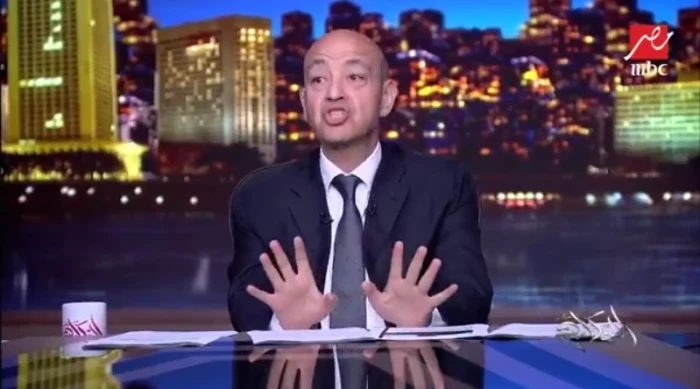
The situation has drawn significant attention from the Arab media landscape, most notably from Egyptian journalist and commentator Amr Adib. During his program, Adib expressed profound astonishment at the news, framing the incident as an absurdity that undermines the very concept of a sovereign state.
Adib questioned how a nation possessing a formal army, defined borders, and a functioning government could remain oblivious to a foreign military base operating within its own desert. He highlighted the paradox of a state that maintains its sovereignty on paper while failing to detect a strategic military installation during a period of intense regional conflict.
The commentary took a satirical turn when Adib addressed the reports that the base was discovered by a shepherd. By contrasting the sophisticated surveillance capabilities of a modern state with the accidental discovery by a civilian, Adib underscored what he viewed as a catastrophic failure of the Iraqi security apparatus. His remarks reflect a broader regional sentiment that the Iraqi government is often the “last to know” about the clandestine activities occurring within its own borders.
Strategic Context: The Israel-Iran Proxy War
To understand why such a facility would be sought in Iraq, one must look at the broader strategic competition between Israel and Iran. Iraq has long served as a transit point for Iranian weapons and a base for Iranian-backed militias, making it a high-priority target for Israeli intelligence and military operations.
Israel has frequently conducted airstrikes against Iranian targets in Syria and has, on several occasions, targeted positions in Iraq. The establishment of a covert presence—even a temporary one—would theoretically allow for more precise intelligence gathering and a reduced response time for tactical strikes against “Axis of Resistance” assets. This operational necessity for Israel creates a direct conflict with Iraq’s official policy of neutrality and its need to maintain stable relations with Tehran.
The tension is further exacerbated by the presence of U.S. Forces in Iraq. The intersection of American security interests and Israeli operational goals often places the Iraqi government in an impossible position, where it must balance the demands of its security partners against the internal pressures of a population and political class heavily influenced by Iran.
Implications for Iraqi National Security
The fallout from these reports extends beyond media mockery; it touches upon the fundamental stability of the Iraqi state. If a foreign power can establish a military footprint undetected, it suggests a level of infiltration that could compromise every level of national security. This vulnerability is not merely a military issue but a political one, as it empowers hardline factions within the Iraqi parliament to demand a complete overhaul of the security services and a reassessment of foreign military agreements.
the incident highlights the divide between the Iraqi government’s public rhetoric and the operational reality on the ground. While Baghdad officially condemns all foreign interference, the reported existence of such a base suggests either a profound failure of intelligence or a quiet, tacit acceptance of certain operational realities to avoid a wider conflict.
The demand for “official honesty” regarding the base is a call for the government to move beyond vague denials. For the Iraqi public, the question is no longer just about whether the base existed, but about who allowed it to happen and why the discovery was left to a civilian shepherd rather than the state’s own defense mechanisms.
Key Takeaways
- Covert Allegations: Reports suggest a secret Israeli military facility was operated in the Iraqi desert to support campaigns against Iran.
- Sovereignty Crisis: The incident has sparked a crisis of confidence in the Iraqi government’s ability to secure its borders.
- Media Reaction: Egyptian commentator Amr Adib highlighted the absurdity of the discovery, mocking the failure of state intelligence.
- Strategic Tension: The situation is a byproduct of the ongoing shadow war between Israel and Iran, with Iraq serving as a primary theater.
- Political Pressure: There are increasing demands within Iraq for official transparency and a full accounting of foreign military incursions.
As the region remains on edge, the focus now turns to whether the Iraqi government will provide a detailed report on the incident or if the matter will fade into the background of the Middle East’s many overlapping conflicts. The next critical checkpoint will be the upcoming sessions of the Iraqi parliamentary security committee, where officials are expected to address the breaches of territorial sovereignty.
We invite our readers to share their perspectives on this developing story in the comments below. How should sovereign nations balance security partnerships with the need for absolute territorial integrity?
Related reading