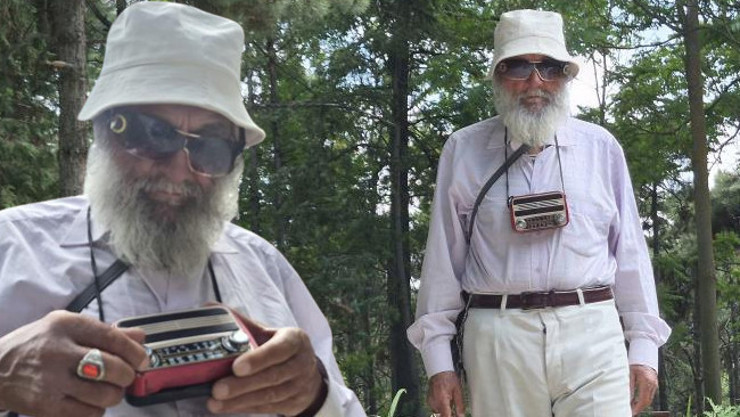
An elderly man in Turkey has garnered public attention for his deliberate rejection of modern communication technology, opting to navigate his daily life without a mobile phone or television. Known for his consistent routine, the resident remains tethered to the outside world exclusively through a portable radio, which accompanies him on his frequent walks through his community.
A Life Defined by Analog Habits
In an era increasingly dominated by digital connectivity, this individual’s choice stands as a notable departure from prevailing social norms. While smartphones and internet-enabled devices have become standard tools for daily navigation and information, this senior citizen maintains a strictly analog lifestyle. According to local observations, he does not own a television, nor does he utilize cellular devices, choosing instead to rely on traditional radio broadcasting to stay informed about current events.
This preference for radio over digital screens highlights a growing, albeit niche, trend of “digital minimalism” among certain populations who prioritize simplicity and focus. Research from the Pew Research Center indicates that while smartphone adoption remains near-universal in many demographics, a segment of the elderly population continues to find comfort and utility in legacy broadcast technologies, which do not require the same level of interactive maintenance as modern interfaces.
The Social Impact of Digital Disconnection
The man’s daily routine involves long walks, during which his radio serves as his primary companion. This habit has made him a recognizable figure in his neighborhood. Psychologists often note that such routines can contribute to cognitive longevity and emotional stability in older adults. Engaging with the physical environment, rather than the curated streams of social media, is often cited by health professionals as a way to reduce the psychological strain associated with information overload.
From a public health perspective, the reliance on radio—a medium that provides a linear, curated stream of information—differs significantly from the algorithmic delivery of modern news apps. As noted by the World Health Organization, maintaining social engagement and physical activity is critical for the well-being of the elderly. By interacting with his surroundings during his walks, the individual maintains a level of community connection that might otherwise be mediated or replaced by digital interactions.
Technological Literacy and the Aging Population
The refusal to adopt modern technology is not necessarily a lack of capability, but often a conscious lifestyle choice. In many parts of Europe and the Middle East, there is a clear distinction between the “digital natives” and those who find the rapid pace of technological change unnecessary for their quality of life. The European Union’s digital statistics regularly track the “digital divide,” noting that while internet access is widely available, usage patterns remain highly personal, with a significant percentage of those over 70 choosing to limit their exposure to digital platforms.
For this Turkish resident, the radio represents a reliable, non-intrusive source of news and music that does not demand the constant attention or complex troubleshooting often associated with smartphones. His story serves as a reminder that personal autonomy remains a vital component of aging, allowing individuals to define the terms of their engagement with the modern world.
Looking Ahead: The Role of Traditional Media
As digital infrastructure continues to expand, the future of traditional media remains a subject of ongoing debate. While radio stations across the globe are increasingly moving toward digital and online-only formats, the continued use of portable, battery-operated radios by individuals like this man highlights the persistent value of accessible, low-barrier technology. Future updates on how local municipalities support elderly residents in navigating a digital-first world may provide further insight into the balance between technological progress and the preservation of traditional lifestyles.
Readers are invited to share their thoughts on the role of digital disconnection in modern life and whether they believe such analog habits are becoming more or less common in their own communities.