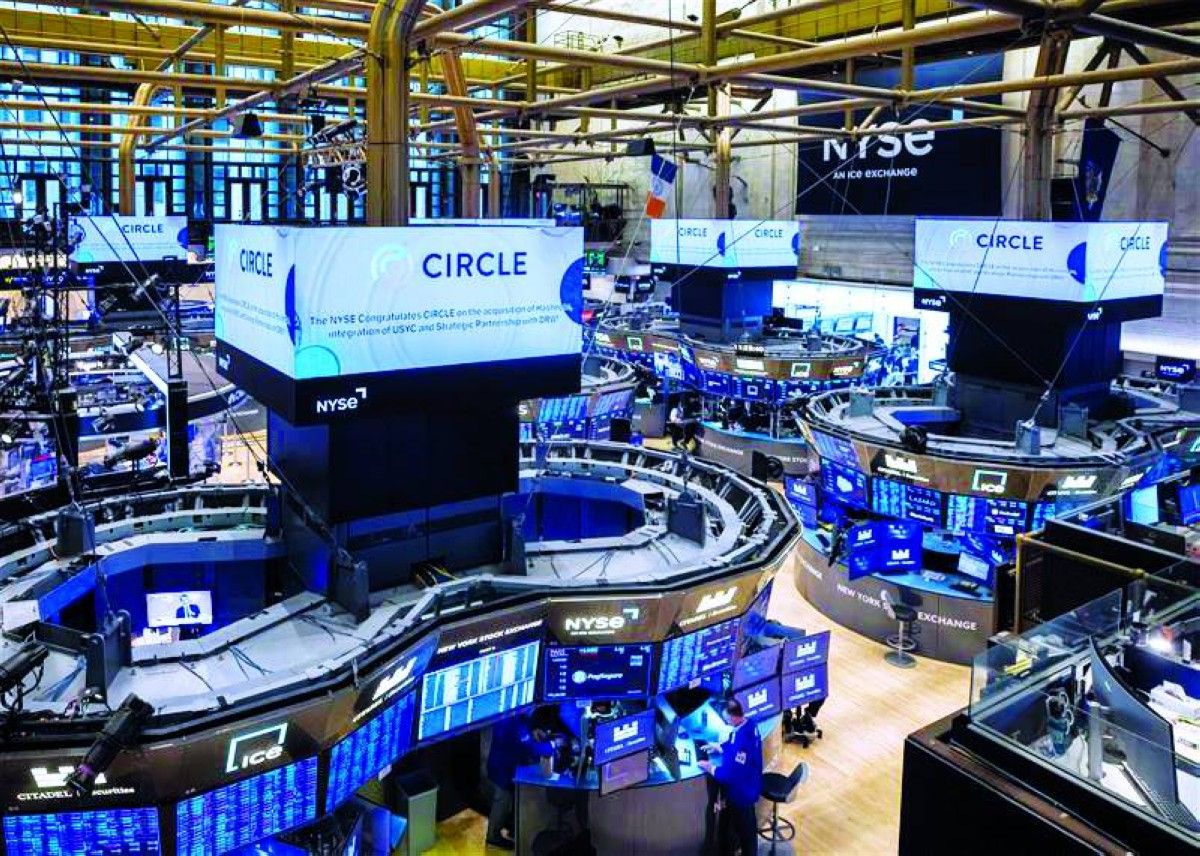
Wall Street volatility has intensified as investors weigh shifting economic data against the performance of major technology stocks. While the broader market indices, including the S&P 500 and Nasdaq Composite, have shown sensitivity to fluctuations in interest rate expectations and energy prices, the technology sector remains a focal point for global capital flows. Market participants are currently navigating a landscape defined by both the resilience of semiconductor demand and broader concerns regarding inflation and geopolitical stability.
According to data tracked by the London Stock Exchange Group, equity markets have experienced periodic shifts as investors adjust portfolios in response to upcoming corporate earnings and macroeconomic indicators. The interplay between high-growth tech stocks and traditional sectors continues to drive index performance, with semiconductor manufacturers often leading market rallies or exacerbating sell-offs depending on the latest supply chain outlooks and regulatory updates.
Market Dynamics and the Tech Sector Influence
The performance of mega-cap technology firms, often referred to as the “Magnificent Seven,” frequently dictates the daily trajectory of the S&P 500. When these companies—which include firms like NVIDIA, Microsoft, and Alphabet—experience price swings, the ripple effect is felt across global exchanges. Recent trading sessions have underscored a trend where investors rotate capital based on the Federal Reserve’s communication regarding interest rate policy. High interest rates generally weigh on growth-oriented tech stocks by increasing the cost of borrowing and compressing valuation multiples.
In addition to interest rate sensitivity, the tech sector is currently grappling with the rapid integration of artificial intelligence (AI). Market analysts suggest that while AI-driven demand has bolstered chipmakers, it has also introduced a layer of volatility as investors attempt to distinguish between long-term winners and speculative bubbles. The Bloomberg Equity Indices reflect this, often showing divergence between software-focused firms and hardware manufacturers as supply and demand dynamics shift in real-time.
Energy Price Fluctuations and Broad Market Impact
Energy prices play a critical role in the broader market’s health, acting as a proxy for inflation expectations. When oil prices decline, it can signal concerns regarding global economic demand, which often leads to a defensive posture among investors. Conversely, rising energy costs can exacerbate inflationary pressures, forcing the Federal Reserve to maintain higher interest rates for longer, which historically acts as a headwind for the Nasdaq.
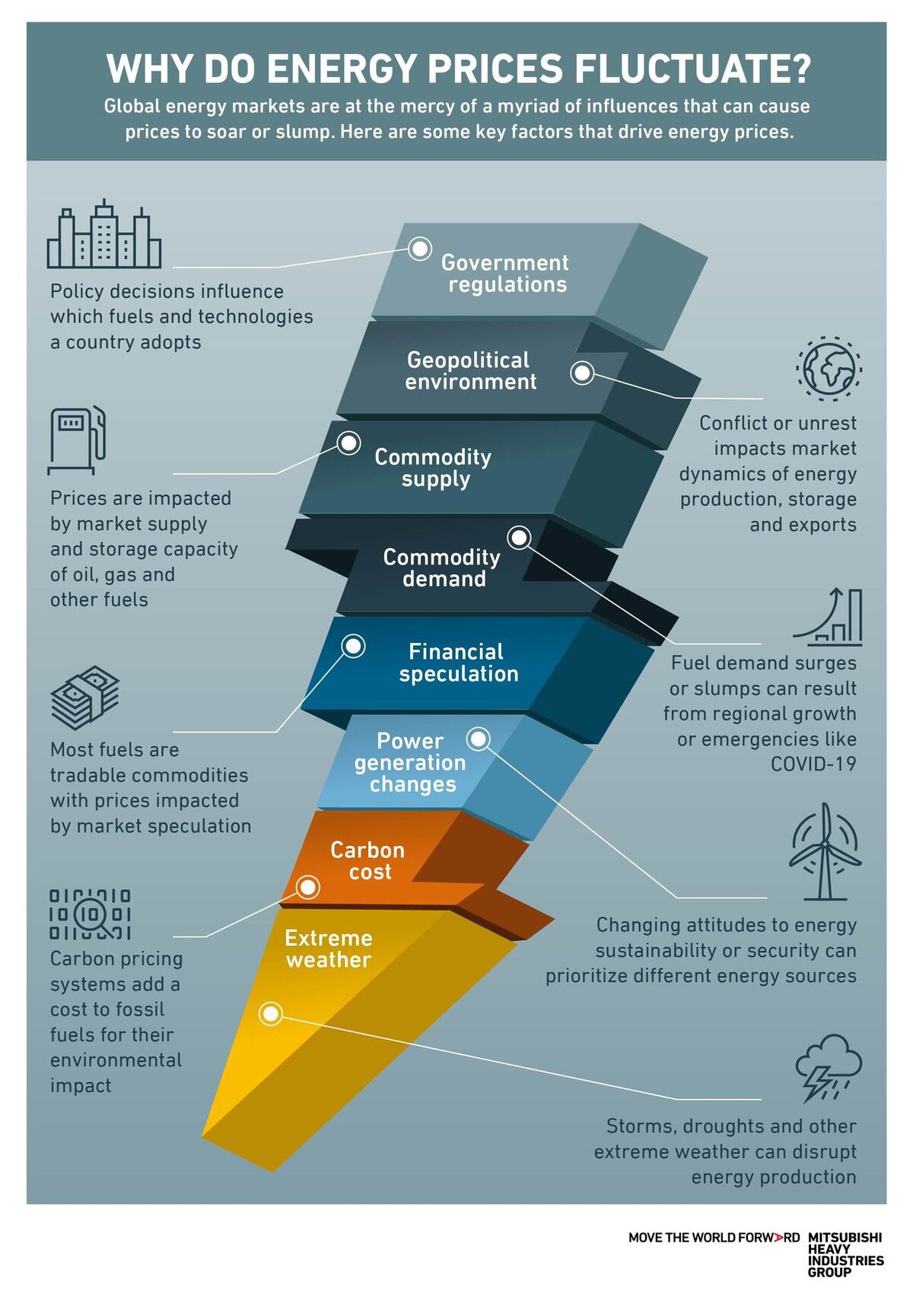
According to the U.S. Energy Information Administration, fluctuations in crude oil inventories directly impact the energy sector’s weight within the S&P 500. Investors monitor these reports closely, as a significant drop in oil prices can trigger a sell-off in energy-heavy portfolios, inadvertently causing broader market volatility that tech stocks are not always immune to, despite their lower direct reliance on commodity inputs.
Navigating Current Investment Volatility
For global investors, the current market environment requires a focus on fundamental valuation rather than short-term price momentum. Financial experts often point to the importance of diversification when tech stocks face headwinds. Analysts at major financial institutions, such as JPMorgan Asset Management, frequently emphasize that while volatility is a standard feature of the markets, it also creates opportunities for long-term investors to rebalance portfolios toward undervalued assets.
Market participants looking for clarity on the next major economic shift should monitor the Bureau of Labor Statistics, which releases monthly Consumer Price Index (CPI) data. This report, alongside the Federal Open Market Committee (FOMC) meeting minutes, remains the most reliable indicator for future market direction. Investors are advised to consult official regulatory filings, such as those found on the SEC EDGAR database, to understand the specific risks associated with individual technology holdings.
Looking Ahead: Key Economic Indicators
The market’s near-term focus remains centered on the upcoming release of employment reports and further guidance from central banks regarding the path of monetary policy. As of the most recent market update, traders remain in a “wait-and-see” mode, awaiting concrete signals that might justify a sustained rally or a deeper correction in tech valuations.
The next major checkpoint for global markets will be the scheduled FOMC meeting, where policymakers are expected to discuss the balance between managing inflation and supporting economic growth. Investors should watch for official statements from the Federal Reserve to gauge the timing of potential policy shifts. We encourage readers to share their perspectives on the current market climate in the comments section below and to stay tuned to our ongoing coverage of global economic policy.
Worth a look