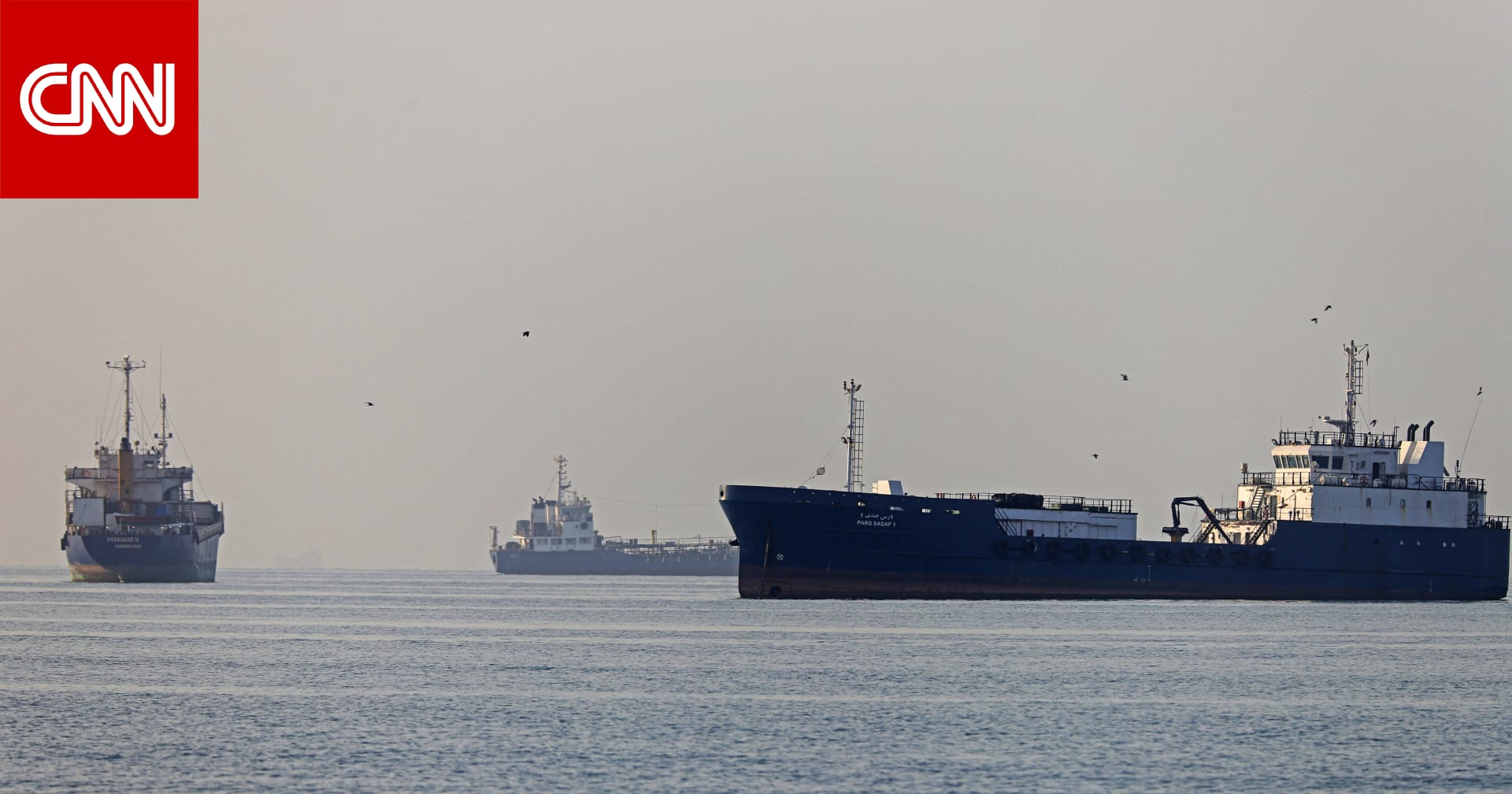
The Strait of Hormuz, a critical maritime chokepoint through which approximately one-fifth of the world’s oil consumption passes, remains under intense scrutiny following reports of anomalous vessel behavior and ongoing regional security concerns. Recent observations of ships altering their navigational paths while attempting to transit the strait have drawn attention to the complex geopolitical and logistical challenges facing international shipping lanes in the Persian Gulf.
While reports of vessels adjusting their routes have circulated, maritime security analysts emphasize that the Strait of Hormuz continues to facilitate high volumes of commercial traffic. According to statements from U.S. officials, the average rate of vessel crossings remains high, despite the heightened climate of regional tension. The waterway, which connects the Persian Gulf with the Gulf of Oman and the Arabian Sea, is regulated by international maritime law, specifically the United Nations Convention on the Law of the Sea (UNCLOS), which provides for “transit passage” through international straits.
Navigational Challenges and Regional Security
The Strait of Hormuz is defined by narrow shipping lanes, with inbound and outbound channels each approximately two miles wide. Any sudden deviation from these lanes can trigger immediate monitoring by regional naval forces. Security experts note that the area is frequently impacted by military posturing, which can influence the risk assessments made by commercial shipping companies. The U.S. Navy’s Fifth Fleet, based in Bahrain, regularly monitors these waters to ensure the freedom of navigation, as outlined in the official mission statements of the U.S. Naval Forces Central Command.
The impact of these maneuvers extends beyond immediate navigational safety. For global shipping firms, any perceived instability in the strait necessitates complex contingency planning. This includes potential re-routing, increased insurance premiums, and the necessity of maintaining communication with naval coalitions operating in the region. The International Maritime Organization (IMO) provides the regulatory framework for safety at sea, yet the enforcement of these standards in the Strait of Hormuz remains subject to the overlapping jurisdictions and political strategies of the bordering nations, primarily Iran and Oman.
Geopolitical Dynamics and Economic Implications
The discourse surrounding the strait has increasingly shifted toward the economic viability of transit. Recent media reports have highlighted discussions within European circles regarding the potential for new maritime transit fees or security levies, a move often described as an acknowledgment of the current, unavoidable security realities in the region. These discussions reflect the tension between maintaining open trade routes and the rising costs associated with securing those routes against potential state-level interference.
Simultaneously, Iran has continued to leverage its strategic position. Reports indicate that Tehran has offered specific navigational and logistical facilities to Chinese vessels, a move analysts view as an effort to strengthen bilateral trade ties and circumvent the impact of international sanctions. This strategic partnership underscores the shifting alliances within the region, where energy-hungry nations seek to secure their supply chains through diplomatic engagements with the coastal powers controlling the strait.
Humanitarian Concerns for Maritime Crews
Beyond the geopolitical maneuvering, there is an ongoing humanitarian dimension to the transit of the Strait of Hormuz. Thousands of seafarers—estimated in the thousands—operate the tankers and cargo ships that traverse these waters daily. These crews often find themselves in a state of professional uncertainty when transiting high-risk zones. Organizations like the International Chamber of Shipping have repeatedly called for the protection of maritime workers, emphasizing that the safety of the human element is paramount during periods of heightened military activity.

The “forgotten tragedy” mentioned in regional reports refers to the compounding stress and risk faced by these sailors, who operate for months at a time under the constant threat of regional escalation. For many, the transit of the strait is not a political act, but a routine component of a global supply chain that the world economy relies upon for energy and goods.
What Happens Next
The situation in the Strait of Hormuz remains fluid. Stakeholders are currently awaiting updates from the U.S. Central Command regarding any new security advisories or changes to the Maritime Security Transit Guidelines. Commercial operators are advised to monitor the Maritime Security Centre – Horn of Africa and official notices to mariners for real-time updates on navigational restrictions or safety protocols.

As the international community continues to observe the impact of regional policies on maritime traffic, the primary focus remains on preventing escalation that could disrupt global energy markets. Readers are encouraged to keep track of official statements from the IMO and national maritime authorities for the most accurate information regarding transit safety. We invite our readers to share their perspectives on the evolving security landscape in the Persian Gulf in the comments section below.