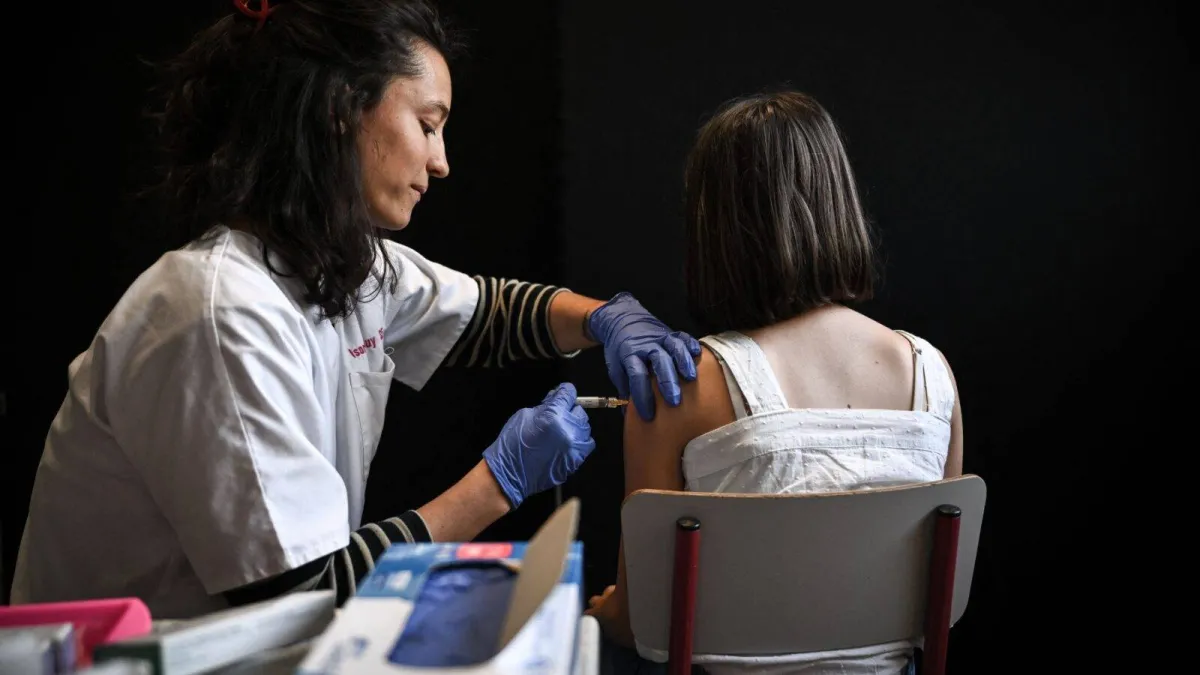
Recent long-term clinical data confirm that human papillomavirus (HPV) vaccination programs are drastically reducing the incidence of cervical cancer, with some populations approaching near-zero risk for the disease. Public health experts now view widespread immunization as the primary mechanism for the potential global elimination of cervical cancer, a condition that remains a leading cause of cancer-related death among women worldwide.
According to the World Health Organization (WHO), cervical cancer is the fourth most common cancer in women globally, yet it is uniquely preventable through a combination of vaccination and routine screening. The transition from high-risk infection to invasive malignancy typically takes years, providing a significant window for medical intervention. By targeting the primary oncogenic strains of the virus, specifically HPV 16 and 18, vaccines have demonstrated a clinical efficacy that has shifted the trajectory of gynecological oncology.
The Clinical Impact of HPV Vaccination
The efficacy of the HPV vaccine is rooted in its ability to prevent persistent infection with high-risk virus types that lead to cellular changes in the cervix. Data published in The Lancet regarding national immunization programs, particularly in countries like the United Kingdom and Sweden, show a reduction in cervical cancer diagnoses by up to 90% in women who were vaccinated at a younger age. These figures are corroborated by longitudinal studies indicating that the vaccine is most effective when administered before the onset of sexual activity, as it provides primary prevention against the virus before exposure occurs.

For individuals who have already been exposed to certain strains, the vaccine does not treat existing infections or established lesions. However, it remains a critical tool for public health by preventing the acquisition of other high-risk strains. As noted by the Centers for Disease Control and Prevention (CDC), the current standard of care involves a two-dose series for adolescents, which provides robust, long-lasting immunity. The shift in health outcomes is not merely theoretical; it is a measurable decline in pre-cancerous cervical intraepithelial neoplasia (CIN) lesions observed in clinical settings.
Addressing Barriers to Global Elimination
Despite the clinical success of the vaccine, global uptake remains uneven. The disparity in cervical cancer mortality between high-income and low-to-middle-income countries is driven largely by unequal access to vaccination and screening infrastructure. The WHO has established a goal for 90% of girls to be fully vaccinated with the HPV vaccine by age 15, a target that requires sustained international cooperation and local public health outreach. In many regions, the challenge is not vaccine hesitancy, but rather the logistical hurdle of reaching rural or underserved populations with a multi-dose regimen.
Public health communication strategies are increasingly focusing on the necessity of “proactive” health management. By framing the vaccine as a tool for long-term health security, health authorities aim to normalize the procedure as part of standard adolescent care. Strengthening these programs involves not only the procurement of doses but also the integration of HPV awareness into family health discussions, ensuring that parents and guardians understand the link between the virus and later-life cancer risks.
Future Directions in Cervical Cancer Prevention
The medical community is currently evaluating the long-term durability of the immune response generated by the current vaccine formulations. Studies are ongoing to determine if a single-dose regimen could provide comparable protection, a move that would significantly lower costs and simplify distribution in developing nations. According to recent International Agency for Research on Cancer (IARC) updates, the evidence for single-dose efficacy is growing, though multi-dose protocols remain the current clinical standard in most jurisdictions.
As the medical field moves toward the goal of global elimination, the integration of self-sampling for HPV DNA testing is also gaining traction. This technology allows individuals to collect their own samples for laboratory analysis, bypassing some of the barriers associated with traditional clinical examinations. When combined with the high efficacy of the vaccine, these diagnostic advancements provide a multi-layered defense against the disease.
The next major milestone in this effort will be the upcoming publication of updated WHO implementation guidelines, expected later this year, which will further clarify the role of single-dose vaccination in national programs. Readers interested in their personal health status or local vaccination schedules are encouraged to consult their primary care physician or local health department. We welcome your thoughts on how public health policy can better reach underserved communities in the comments section below.
Related reading