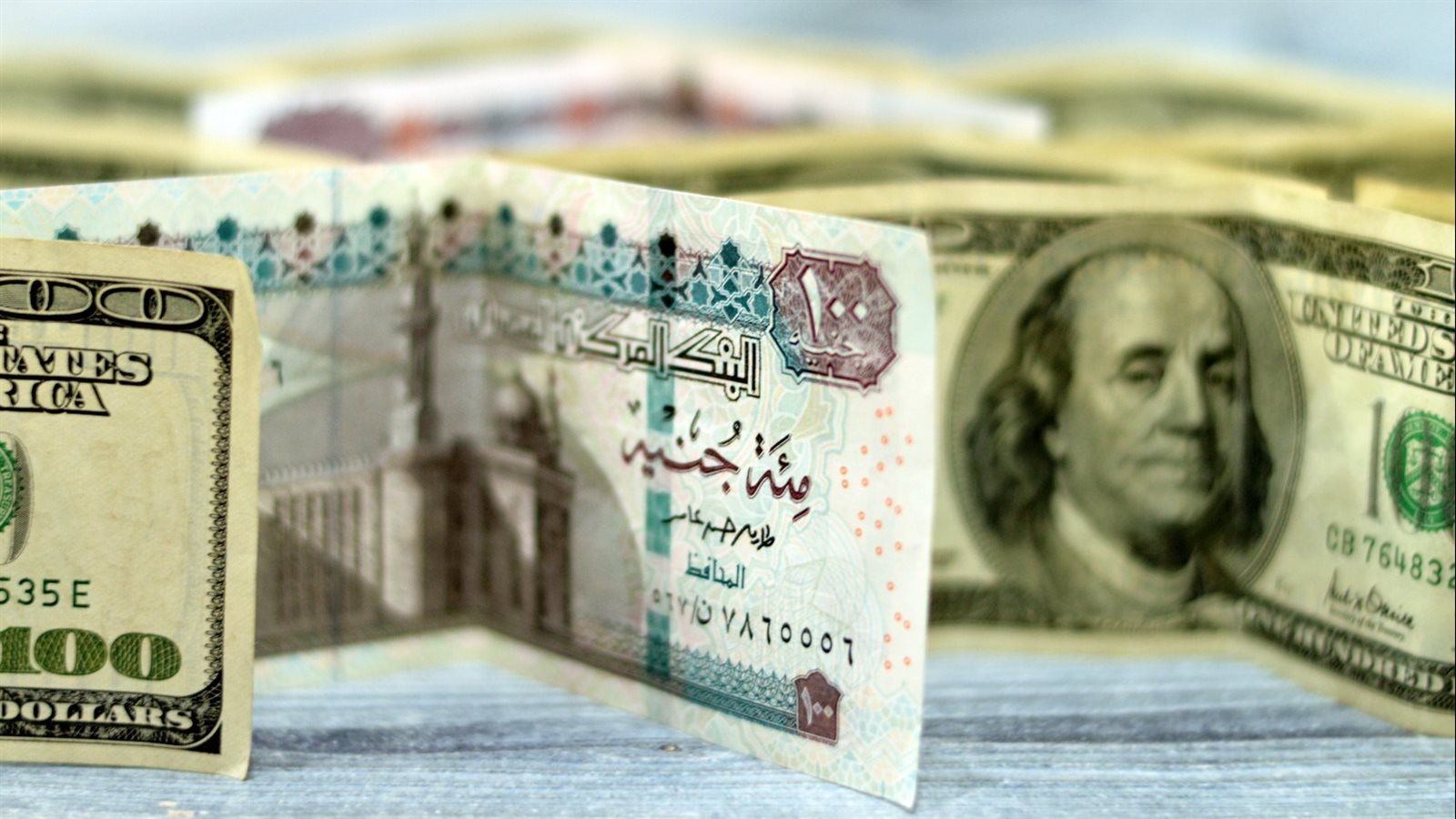
The exchange rate of the U.S. dollar against the Egyptian pound has experienced renewed volatility in recent trading sessions, sparking concerns among analysts and market participants regarding the sustainability of the pound’s earlier gains. Following a period of relative stability, the dollar has shown upward movement in several commercial banks, leading to heightened scrutiny of the Central Bank of Egypt’s (CBE) monetary policy ahead of its upcoming meetings. According to data tracked by the Central Bank of Egypt, the national banking system continues to operate under a flexible exchange rate regime, which remains the primary driver behind the daily fluctuations observed in the local market.
Market observers are currently weighing whether this recent uptick represents a temporary correction or a broader shift in the currency’s trajectory. The Egyptian pound, which had seen significant appreciation following the adoption of a more flexible exchange rate policy in early 2024, is now facing pressures linked to global economic conditions and domestic liquidity requirements. As reported by Reuters, the transition to a market-determined rate was a cornerstone of Egypt’s broader economic reform program, intended to eliminate the parallel market and restore investor confidence.
Drivers of Current Exchange Rate Fluctuations
The recent strengthening of the dollar in the Egyptian banking sector is attributed to a combination of seasonal demand, foreign currency liquidity needs, and the ongoing recalibration of market expectations. Financial analysts note that the demand for foreign currency by importers and private sector entities often intensifies ahead of key policy announcements. The International Monetary Fund (IMF) has emphasized that maintaining a flexible exchange rate is vital for Egypt to absorb external shocks and support long-term macroeconomic stability. These fluctuations are frequently viewed as a reflection of the market adjusting to the availability of hard currency within the banking system.
While some market segments report fluctuations, liquidity in the official banking system remains a focal point for the CBE. According to recent reports from Bloomberg, the central bank has utilized high interest rates as a tool to curb inflation and incentivize the repatriation of foreign capital. The interplay between these interest rate decisions and the supply of dollars remains the most critical factor for businesses and retail consumers alike, as it dictates the cost of imports and the overall inflationary pressure on consumer goods.
Impact on Consumer Markets and Economic Sentiment
The volatility of the dollar directly influences the pricing of goods in the Egyptian market, particularly for sectors heavily dependent on imports. Historically, commodities such as gold and automobiles have acted as the fastest-reacting sectors to exchange rate shifts. When the dollar rises against the pound, importers often adjust their pricing strategies immediately to reflect the increased cost of replacement goods. This phenomenon is closely monitored by the Egyptian government, which periodically reviews customs valuation rates to provide a degree of predictability for the local supply chain.
For the average consumer, the uncertainty surrounding the currency’s value can lead to shifts in purchasing behavior. Economic experts often point out that when the exchange rate shows signs of instability, there is a tendency for increased demand for “safe-haven” assets. As noted in assessments by the World Bank, stabilizing the foreign exchange market is a prerequisite for reducing headline inflation and fostering a climate conducive to private sector investment. The current situation highlights the ongoing challenge of balancing the need for a competitive currency against the desire to suppress cost-push inflation.
Outlook Ahead of Central Bank Policy Reviews
All eyes are now turned toward the next scheduled meeting of the Central Bank of Egypt’s Monetary Policy Committee (MPC). The MPC is tasked with setting the overnight deposit and lending rates, decisions that significantly impact the attractiveness of the Egyptian pound. According to the Central Bank of Egypt’s official schedule, the committee holds periodic meetings throughout the year to evaluate domestic and global economic indicators. Analysts suggest that the committee will likely prioritize controlling inflation while monitoring the stability of the foreign exchange market.
Investors and market participants are waiting for clear signals from the CBE regarding the duration of the current high-interest-rate environment. Any move by the central bank to adjust rates will be interpreted by the markets as an indicator of their outlook on both inflation and the currency’s future stability. As the economy continues to navigate these variables, the focus remains on the structural reforms aimed at increasing export competitiveness and attracting sustained foreign direct investment. For real-time updates on banking rates and official policy, the public is encouraged to monitor the official portal of the Central Bank of Egypt, which serves as the definitive source for regulatory updates and monetary statistics.
The situation remains fluid, and stakeholders are advised to exercise caution until the next official policy statement is released. We invite our readers to share their insights on these economic developments in the comments section below.