
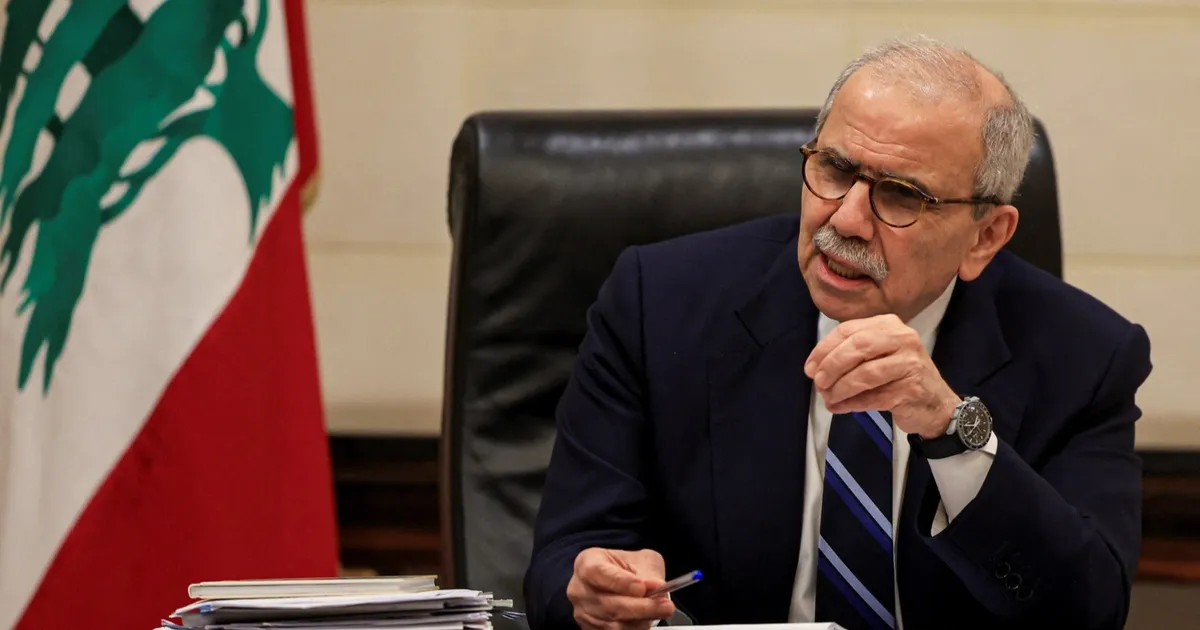
As the conflict between Israel and Hezbollah intensifies, the discourse surrounding the potential for a diplomatic resolution has shifted toward the heavy toll of ongoing hostilities. Nawaf Salam, the President of the International Court of Justice, has recently articulated a stark perspective on the trajectory of the war, warning that the systematic destruction occurring in Lebanon threatens not only its modern infrastructure but the very preservation of its historical and cultural identity.
The debate over Nawaf Salam’s views on Lebanon-Israel negotiations has gained significant traction in international policy circles. In his public assessments, Salam has characterized the current military strategy as an attempt to erase the historical fabric of Lebanese cities, particularly those with deep-rooted archaeological significance. Simultaneously, he has framed the pursuit of negotiations not as a gesture of capitulation, but as a pragmatic, albeit difficult, pathway to minimize further loss of life and heritage.
The Archaeological and Humanitarian Stakes in Southern Lebanon
The city of Tyre, a UNESCO World Heritage site known for its Roman-era hippodrome and ancient ruins, has become a focal point of recent international concern. Reports indicate that the intensification of airstrikes in the vicinity of these protected zones has prompted the Lebanese Ministry of Foreign Affairs to engage in urgent diplomatic outreach. The government has sought to mobilize international pressure to safeguard these sites, which are recognized as vital components of global history, as confirmed by the UNESCO World Heritage Centre.
The conflict has resulted in significant displacement and damage to urban centers. According to recent data provided by the United Nations Children’s Fund (UNICEF), the escalation of hostilities has left thousands of families without adequate shelter or access to essential services. The destruction of residential neighborhoods in cities like Tyre and the surrounding villages has raised alarms regarding the proportionality of military actions and the long-term impact on the country’s demographic and physical landscape.
Diplomacy as a Strategic Necessity
Nawaf Salam’s commentary highlights a nuanced view of the diplomatic process. In his analysis, the decision to engage in negotiations with Israel is framed as a matter of “least cost.” This perspective acknowledges that while a negotiated settlement may not provide a guaranteed or ideal outcome, it remains a superior alternative to the escalating cycle of destruction that threatens to render parts of Lebanon uninhabitable.
This position reflects a broader concern among international observers regarding the sustainability of the current military stalemate. Diplomatic efforts, often mediated by international actors including the United States and France, continue to face significant hurdles. As noted by the U.S. Department of State, the goal remains the implementation of UN Security Council Resolution 1701, which seeks to establish a lasting ceasefire and stabilize the border region.
What Lies Ahead for Regional Stability
The current situation remains fluid, with both military and diplomatic channels operating in parallel. For the international community, the focus remains on preventing a full-scale regional conflagration that could draw in further actors. The protection of cultural heritage sites in Lebanon is now a recognized aspect of these diplomatic discussions, with various NGOs and international bodies monitoring the situation closely for potential violations of international humanitarian law.
As we monitor the situation, the next critical checkpoint involves the ongoing deliberations at the UN Security Council regarding the enforcement of existing mandates and the potential for a new framework to address the current hostilities. Observers are also watching for any developments in the mediation efforts led by regional envoys, which are expected to continue throughout the coming weeks.
We invite our readers to share their perspectives on the role of international law in protecting cultural heritage during times of conflict. How can diplomatic efforts be better structured to prevent the erasure of history while addressing the urgent security needs of the region? Join the discussion in the comments section below.