
Government authorities in Nepal have intensified their legal crackdown on illicit financial networks, filing additional charges at the Patan High Court against entities accused of facilitating large-scale gold smuggling through digital banking and payment platforms. The move follows comprehensive financial forensic analyses conducted by the Department of Revenue Investigation (DRI) and the Central Investigation Bureau (CIB) of the Nepal Police, which identified systemic exploitation of digital payment systems to move funds linked to the illegal precious metals trade.
The legal action represents a significant escalation in the state’s efforts to dismantle complex financial architectures used to bypass traditional regulatory oversight. According to filings submitted by the District Government Attorney’s Office, these networks utilized a web of shell companies and digital wallets to mask the origin of capital, effectively laundering proceeds from gold smuggling operations. The investigation, which has been ongoing for several months, centers on the intersection of modern fintech infrastructure and transnational criminal syndicates operating within the region.
Financial Forensic Analysis and Regulatory Oversight
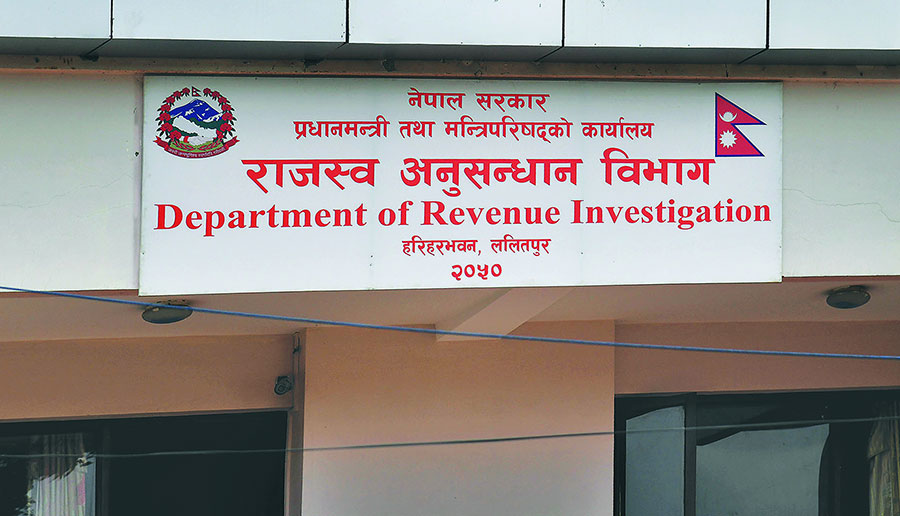
The core of the government’s case rests on the technical findings of the DRI and CIB, which mapped the flow of funds across various digital payment service providers. As reported by the Department of Revenue Investigation, the investigation uncovered a pattern of high-frequency, low-value transactions designed to avoid triggering standard anti-money laundering (AML) alerts. By fragmenting large sums of money, these networks were able to facilitate the purchase and transport of gold, a commodity frequently used in the region to store and transfer illicit wealth.
Financial experts note that the misuse of digital banking platforms in this manner poses a structural challenge to Nepal’s growing fintech sector. The Nepal Rastra Bank (NRB), the country’s central bank, has been collaborating with law enforcement to tighten Know Your Customer (KYC) requirements and real-time transaction monitoring. The ongoing court proceedings at the Patan High Court are expected to set a legal precedent for how digital payment operators are held accountable for the illicit activities conducted through their platforms.
The Mechanics of Digital Laundering
Investigators allege that the smugglers employed a “layering” technique common in financial crime. Funds were initially deposited into legitimate bank accounts before being moved through multiple digital wallets—often registered under stolen or falsified identities—to obscure the audit trail. This digital obfuscation allowed the criminal syndicates to settle payments for gold shipments while appearing to operate within the bounds of regular retail commerce.

The Central Investigation Bureau (CIB) has emphasized that the complexity of these transactions required specialized forensic accounting. By cross-referencing IP addresses, device IDs, and transaction timestamps, investigators linked specific digital accounts to physical gold seizures made at borders and transit points. This integration of digital evidence with physical enforcement is a key component of the current prosecution strategy.
Legal Precedents and Future Implications
The filing of additional charges at the Patan High Court marks a shift toward holding corporate entities—and not just individual couriers—liable for systemic failures in compliance. Legal analysts suggest that the court’s forthcoming rulings will likely force a industry-wide overhaul of digital payment security protocols. If the court finds that payment service providers neglected their regulatory duties, it could lead to stricter licensing requirements and increased oversight of the fintech industry.
The government’s focus on these payment networks is part of a broader, multi-year effort to combat the informal economy. The Ministry of Finance has stated that curbing illegal gold imports is essential to maintaining national foreign exchange stability, as these illicit trades often drain reserves and distort domestic market prices. The current legal proceedings are being closely watched by international financial monitors, as Nepal works to improve its compliance with Global Financial Action Task Force (FATF) standards.
Next Steps in Judicial Proceedings
The Patan High Court is expected to hold preliminary hearings to review the additional evidence presented by the District Government Attorney’s Office. These hearings will determine the admissibility of the digital forensic data and set the schedule for full trial proceedings. Official updates regarding the court’s calendar are published periodically through the Supreme Court of Nepal’s digital portal, which serves as the primary repository for case status tracking and public legal notices.

As the investigation continues, authorities have encouraged the public to report any suspicious activities related to large-scale financial transactions through official government channels. The outcome of this case will likely influence future legislative amendments regarding digital banking and the liability of payment intermediaries in the context of organized crime. Readers are encouraged to share this report and monitor official government portals for verified updates on the trial’s progress.
Worth a look