
The legal proceedings surrounding the death of Twisha Sharma have reached a significant juncture as a special Central Bureau of Investigation (CBI) court continues its oversight of the case. In a development that has drawn public attention to the high-profile investigation, the judicial process has moved into a new phase involving the detention of key individuals.
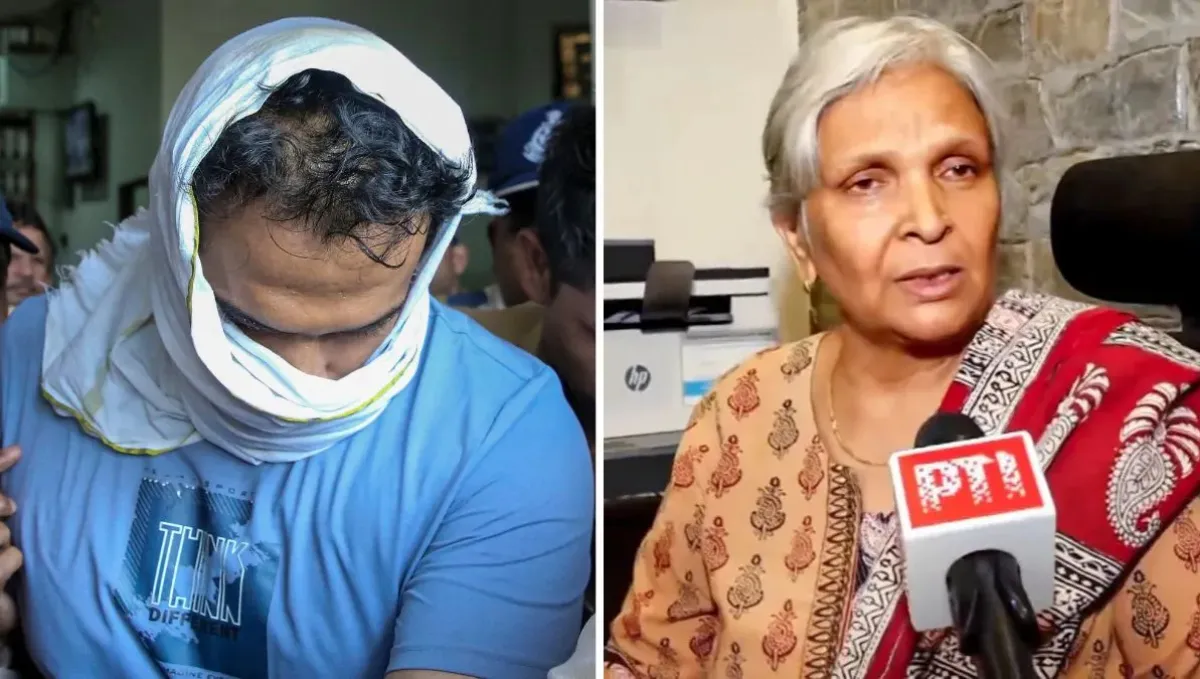
According to reports detailing the recent court orders, Samarth Singh, the husband of the deceased, and Giribala Singh, his mother, have been remanded to judicial custody. This status is currently scheduled to remain in effect until June 16, 2026, as the investigation into the circumstances of the death continues. The transition from police custody to judicial custody marks a procedural shift in how the central agency manages the accused during the ongoing inquiry [Instagram: Judicial Custody Update].
Legal Status and Court Oversight
The decision to commit the accused to judicial custody follows a series of hearings at the special CBI court. While the investigative agency previously held the suspects for questioning, the current court order maintains their detention within the jail system. The legal trajectory of the case, particularly concerning the anticipatory bail application for Giribala Singh, has been a focal point for observers following the developments in the courtroom. Following the rejection of her plea for anticipatory bail, legal processes have proceeded under the purview of the special court tasked with handling the CBI’s investigations [CBI Special Court Proceedings].
For those following the case, the distinction between police remand and judicial custody is essential. Judicial custody implies that the accused are under the authority of the court rather than the investigating agency. While the CBI has not sought a fresh remand for further interrogation at this specific moment, legal representatives involved in the matter have indicated that the agency retains the option to request further custody if the progress of the investigation warrants such a move. This flexibility is a standard component of high-profile criminal investigations conducted under the oversight of a special court.
Key Considerations in the Investigation
As the case progresses, the primary objective remains the collection and verification of evidence surrounding the untimely death. The involvement of the CBI—India’s premier investigative agency—underscores the complexity and the high-profile nature of the inquiry. The agency’s mandate involves a meticulous review of all forensic evidence, witness statements, and documentation related to the deceased.
The judicial process is designed to ensure that the rights of all parties are protected while the truth is sought. With the current remand period extending to mid-June, the court is expected to review the status of the investigation once that deadline approaches. Any further actions, such as additional remand requests or bail hearings, will be contingent upon the findings presented by the CBI in their subsequent reports to the bench.
What Happens Next
The next confirmed checkpoint for this legal matter is June 16, 2026, when the current period of judicial custody is set to expire. On this date, the court will likely evaluate the status of the investigation and determine whether the accused will continue to be held in judicial custody or if there will be a change in their legal status. Observers and stakeholders are waiting for the court’s next directive to understand the trajectory of the prosecution’s case.
The transparency of these proceedings is crucial for public confidence in the judicial system. As this story continues to unfold, we will provide updates based on official court filings and verified statements from legal authorities. We encourage our readers to share their thoughts on the importance of due process in high-profile cases in the comments section below.
Worth a look