U.S. Stance on Iran Negotiations Remains Firm as President Trump Dismisses Midterm Pressures
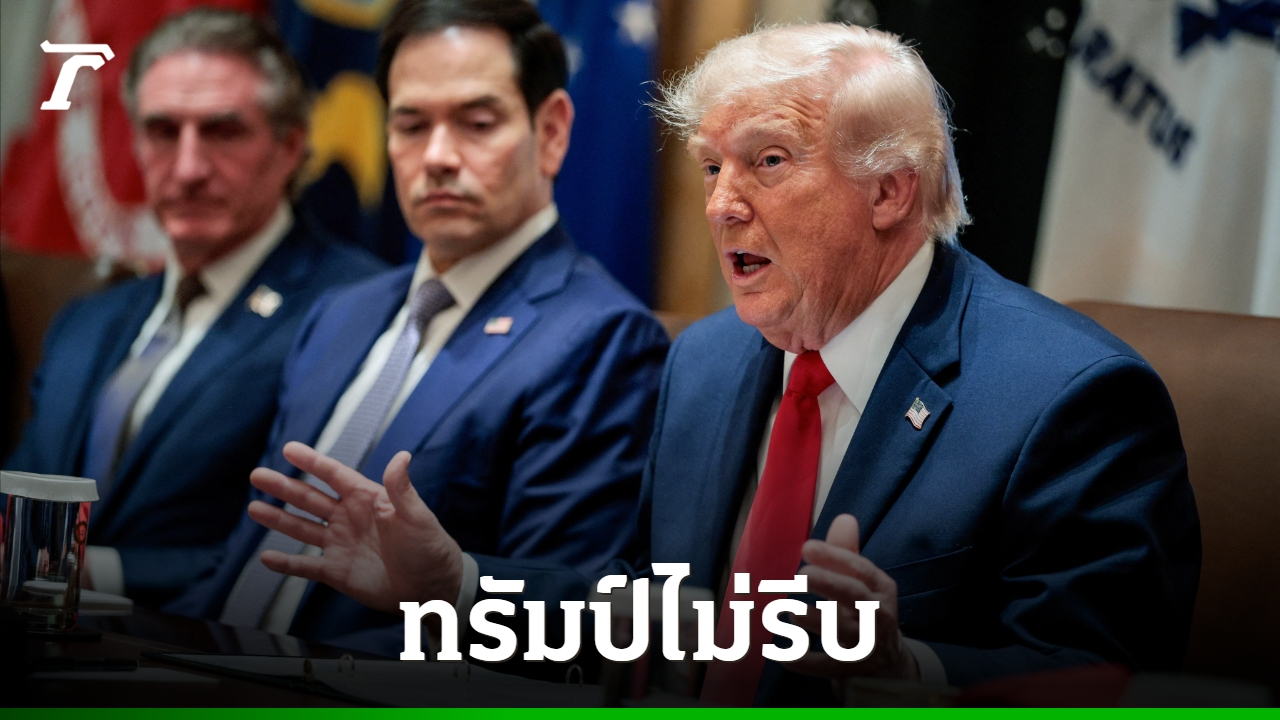
In a clear signal regarding the trajectory of American foreign policy, President Donald Trump stated on Wednesday, May 27, 2026, that the United States remains under no pressure to accelerate negotiations with Iran. During a scheduled meeting, the President addressed speculation surrounding the influence of domestic political cycles on international diplomacy, explicitly rejecting the notion that the upcoming midterm elections would alter his administration’s strategic approach to the situation in Tehran.
President Trump emphasized that the United States is seeking a favorable agreement, effectively dismissing the strategy of the Iranian government to delay proceedings in the hope of waiting out his current term. “They think they can wait for me to finish my term? They think they can stall because of the midterm elections?” the President remarked, signaling that such calculations by the Iranian leadership would not yield the desired results. He further reiterated that his administration is prepared to resume the use of force should the diplomatic process fail to produce a satisfactory outcome.
Strategic Patience and the Security of the Strait of Hormuz
The diplomatic standoff remains intrinsically linked to broader regional security concerns, particularly regarding the stability of the Strait of Hormuz. The administration’s refusal to rush into a deal reflects a broader policy of maintaining leverage in one of the world’s most critical maritime corridors. While international observers continue to monitor the impact of these tensions on global energy markets, the White House has maintained a consistent narrative regarding the necessity of a robust, comprehensive agreement rather than a hasty, short-term compromise.
The complexity of these negotiations is compounded by the varying reports circulating regarding the potential for regional power-sharing agreements. The administration has sought to clarify its position, specifically distancing itself from reports suggesting that the United States would concede control over the Strait of Hormuz to regional actors in exchange for a diplomatic breakthrough. By emphasizing that the U.S. Remains focused on its own strategic objectives, the President has sought to address concerns from regional allies regarding the integrity of the ongoing talks.
The Domestic Political Context
While the administration faces the standard pressures associated with any electoral cycle, President Trump’s recent comments serve as a definitive assertion of executive autonomy in foreign affairs. By publicly stating that he is not concerned with the political optics of the midterm elections, the President has signaled to both domestic and international audiences that the administration’s “maximum pressure” or “favorable deal” framework remains the primary driver of policy. This stance aims to neutralize any perception that the United States is operating from a position of weakness or that it is susceptible to the tactical delays favored by adversarial states.

Key Considerations for Global Stability
- Diplomatic Leverage: The U.S. Maintains that any agreement must be fundamentally advantageous to American interests, rejecting the “waiting game” strategy.
- Military Readiness: The administration has explicitly linked the success of diplomatic efforts to the potential for renewed military action, should negotiations stall.
- Regional Security: The Strait of Hormuz remains a central point of contention, with the U.S. Emphasizing the need for secure passage and rejecting proposals that would weaken its influence in the region.
- Electoral Independence: The President has framed his foreign policy approach as independent of midterm election pressures, aiming to maintain a consistent posture toward Tehran.
Looking Ahead: The Path Forward
As of May 27, 2026, the situation remains fluid. The international community is waiting for the next official communique from the White House regarding whether formal talks will proceed or if the administration intends to escalate its current containment strategy. Observers note that the lack of a clear timeline for a breakthrough suggests that the current state of “no deal” could persist for the foreseeable future, provided that the U.S. Continues to exercise its current strategic patience.

The next confirmed checkpoint for these developments will likely emerge from upcoming briefings at the White House or through official statements from the Department of State regarding maritime security operations in the Persian Gulf. As the administration continues to navigate this high-stakes geopolitical environment, the focus remains on whether Tehran will adjust its position in response to the President’s firm stance.
We invite our readers to join the conversation regarding these developments. Please share your insights or questions in the comments section below as we continue to monitor this evolving story.
Keep reading