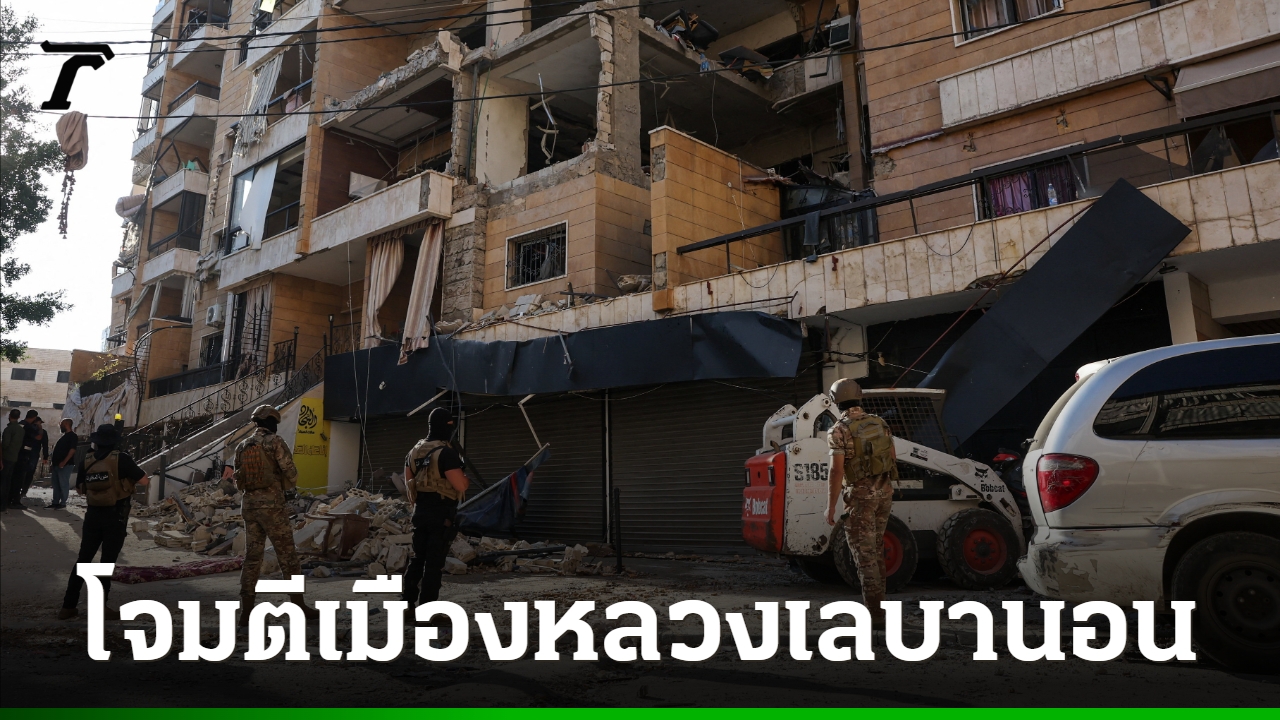
Israel conducts targeted strikes in Lebanon, hitting areas near the capital and killing a high-ranking official just days after a ceasefire agreement was implemented, raising urgent questions about the stability of the recent truce.
The incident, which reportedly involved a strike on a military vehicle, has sent shockwaves through the diplomatic community and cast a shadow over the fragile peace between Israel and Hezbollah. While the ceasefire was intended to halt the months-long escalation of hostilities, these latest developments suggest that the line between active combat and monitored truce remains dangerously blurred.
According to local reports and regional observers, the strike targeted a vehicle in Lebanon, resulting in the deaths of a senior official—described in some accounts as a general—and two other individuals. The timing of the attack, occurring so shortly after the cessation of major hostilities, has prompted immediate accusations of ceasefire violations from Lebanese authorities, while Israeli-aligned perspectives suggest such actions may be necessary to address lingering security threats.
The Strike on the Lebanese Frontier: What is Known
Details regarding the specific location and the exact identity of the deceased remain subject to ongoing investigation. However, the core of the incident involves an Israeli strike on a vehicle, which Lebanese sources claim was a military transport. The strike resulted in three fatalities: one high-ranking official and two others.

The ambiguity surrounding the status of the victims has added to the tension. While some reports suggest the casualties were part of the Lebanese military apparatus, others indicate they were high-level figures within the Hezbollah command structure. This distinction is critical; a strike directly on the Lebanese Armed Forces (LAF) would represent a significant escalation in the nature of the conflict, whereas a strike on Hezbollah would be framed by Israel as an enforcement of the ceasefire’s terms regarding the disarmament of non-state actors.
Lebanese officials have strongly condemned the action, characterizing it as a direct breach of the agreement. They argue that any kinetic action within Lebanese territory violates the sovereignty of the state and the spirit of the recent peace arrangement. Conversely, the Israeli military has historically maintained that it reserves the right to respond to any activity that threatens its borders or violates the terms of a truce, particularly regarding the presence of armed groups near the Blue Line.
A Fragile Truce: The Context of the Ceasefire
The recent ceasefire was designed to end a period of intense and devastating warfare that had displaced hundreds of thousands of civilians on both sides of the border. The agreement, which sought to stabilize the region and allow for the return of displaced populations, relied heavily on the implementation of international standards, most notably those outlined in United Nations Security Council Resolution 1701.
Under the framework of the truce, the area between the Israeli-Lebanese border and the Litani River is intended to be free of any armed personnel or weapons other than those of the Lebanese government and UNIFIL (the United Nations Interim Force in Lebanon). The recent strike has brought the enforcement of these specific clauses into sharp focus. If the targeted vehicle was carrying personnel or weapons prohibited under the agreement, the debate shifts from “violation” to “enforcement.” However, if the strike was unprovoked or targeted state actors, the ceasefire may be considered functionally broken.
The international community, led by the United States and various European powers, has been working to bolster the role of UNIFIL to ensure that neither side uses the lull in fighting to re-arm or reposition. The recent strike serves as a stark reminder of how quickly a diplomatic breakthrough can be undermined by tactical military actions.
Geopolitics and the “Bargaining Chip” Allegation
The escalation in Lebanon cannot be viewed in isolation from the broader regional struggle involving Iran. The involvement of Tehran in the Levant has long been a central pillar of Middle Eastern instability, and Lebanese political leaders are increasingly vocal about how their country is positioned in this struggle.
Political figures in Lebanon, including prominent voices such as Michel Aoun, have expressed concerns that Lebanon is being utilized as a strategic “bargaining chip” in the larger confrontation between Israel and Iran. The argument posits that Hezbollah and other regional proxies are used to exert pressure on Israel and the West, while Lebanon itself bears the physical and economic brunt of the retaliation.
This “proxy” dynamic complicates the ceasefire’s longevity. If the Lebanese government is perceived as unable to control its own territory or if its military is caught in the crossfire of an Israel-Iran shadow war, the domestic legitimacy of the ceasefire may erode. The accusation that Lebanon is being used to negotiate larger regional deals—such as nuclear agreements or prisoner swaps—adds a layer of complexity that goes far beyond the immediate border dispute.
Regional Defense and the Wider Conflict
The instability in Lebanon is mirrored by broader regional tensions, including the ongoing threat of direct missile exchanges. Recent reports have highlighted the increased capability of regional defense systems, such as those in Kuwait and other Gulf states, to intercept incoming projectiles. These defensive measures reflect a reality where the conflict is no longer confined to local borders but has become a theater for much larger, state-level military engagements.
The ability of regional actors to intercept missiles underscores the high stakes of the current environment. Every successful interception and every successful strike serves to redefine the “red lines” that govern the behavior of regional powers. For Lebanon, being caught in the middle of these shifting red lines remains a primary existential threat.
Key Takeaways: The Current State of the Conflict
- Ceasefire Vulnerability: The recent Israeli strike near Beirut has significantly undermined the perceived stability of the new ceasefire agreement.
- Casualty Ambiguity: The deaths of a high-ranking official and two others have fueled accusations of ceasefire violations, though the exact affiliation of the victims remains a point of contention.
- Sovereignty Concerns: The Lebanese government is facing intense pressure to demonstrate control over its territory to prevent the country from becoming a proxy battlefield.
- International Oversight: The effectiveness of UNIFIL and the adherence to Resolution 1701 are now under unprecedented scrutiny by the global community.
What Happens Next?
The immediate future of the Lebanon-Israel border will depend on the findings of international monitors and the diplomatic response to this specific incident. Several critical checkpoints are now in motion:

- UNIFIL Investigation: The United Nations Interim Force in Lebanon is expected to conduct an assessment of the strike zone to determine if the rules of engagement and the terms of the ceasefire were respected.
- Diplomatic De-escalation: Mediators from the United States and France are expected to engage with both Israeli and Lebanese officials to prevent a retaliatory cycle of strikes.
- Lebanese Government Response: The Lebanese cabinet is likely to hold emergency sessions to address the impact of the strike on national sovereignty and the safety of the Lebanese Armed Forces.
As the situation evolves, the world will be watching to see if this is an isolated incident of “enforcement” or the beginning of a renewed period of intense conflict.
What are your thoughts on the stability of the recent ceasefire? Do you believe international mediation can prevent further escalation? Let us know in the comments below and share this article to keep the conversation going.
Related reading